


Listen to the article
COVID-19 Levy Repeal: Understanding the Legislative Process Behind Tax Abolishment
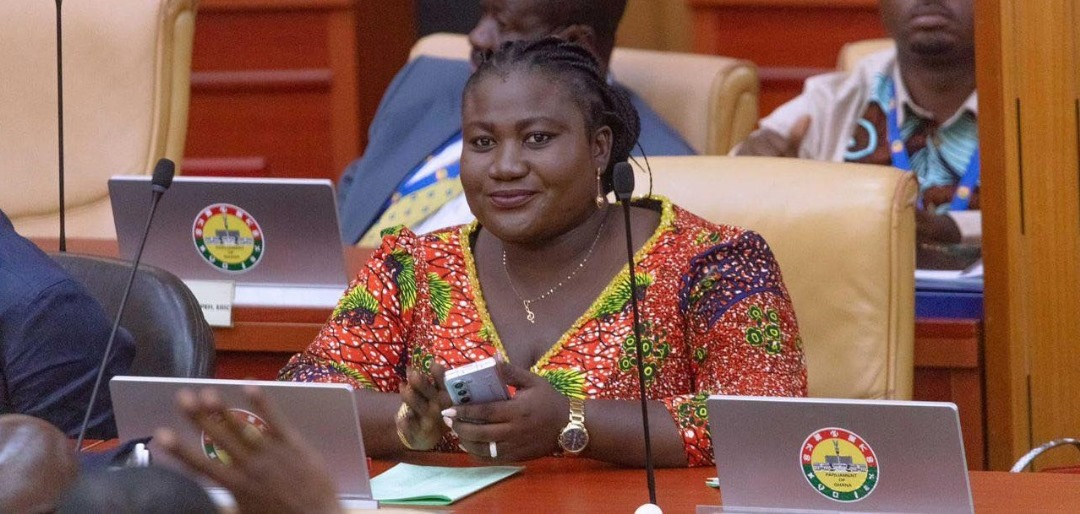
Claims that the COVID-19 Levy remains in force despite its announced abolition in the 2026 budget have sparked confusion among Ghanaians. The controversy began immediately after Finance Minister Dr. Cassiel Ato Forson’s budget presentation on November 13, 2025, when Trobu MP Gloria Owusu publicly challenged the minister’s statement.
“It is not true that the COVID levy has been removed,” Owusu told a news blogger in a video that quickly went viral. “Today, I am a Member of Parliament, but I am a businesswoman. I prepared a duty which I can show you. The COVID levy is still in place.”
The MP further claimed that anyone clearing goods at ports or crossing borders with merchandise would confirm the levy remains active, suggesting the minister’s announcement was misleading. Meanwhile, social media users began sharing receipts showing the COVID-19 Levy still being charged on purchases after the budget presentation.
However, experts explain that the parliamentary process for repealing taxes follows specific procedures that take time to implement. Dr. Rasheed Draman, Executive Director of Africa Centre for Parliamentary Affairs (ACEPA), clarified the situation.
“To repeal a law in Ghana, it has to be done through the introduction of a new law or through a vote of at least 2/3 of the Members of Parliament,” Dr. Draman explained. “The minister presented the budget statement, which will eventually lead to the Appropriations Act.”
This Appropriations Act serves as the legal mechanism through which the COVID-19 levy will be officially repealed. Dr. Draman emphasized that until this act is passed and implemented, Ghanaians will continue to see the levy appearing on their purchases.
“It’s not like when he shows up in Parliament, says it and immediately it takes effect,” he added. “In a democracy, you have to go through a certain procedure, and the procedure in this particular case is that the Appropriations Act 2025 would have to be passed for some of these things to take effect.”
The process for repealing tax measures typically involves multiple steps: the bill must be laid before Parliament, debated and approved by lawmakers, sent to the President for assent, and finally implemented by the relevant government agency. This legislative journey can take weeks or even months to complete.
A recent example of this process was seen with the Electronic Transfer Levy (E-Levy), which the Mahama administration announced would be repealed in their first budget reading on March 11, 2025. That repeal followed the same procedural steps now beginning for the COVID-19 Levy.
The Finance Minister presented the COVID-19 Health Recovery Levy (Repeal) Bill among several other bills for Parliament’s consideration during the budget reading. This marks the beginning of the legislative process to eliminate the levy, not its immediate termination.
Following the public backlash, MP Gloria Owusu issued a clarification on her Facebook page, suggesting her comments had been misunderstood. “My attention has been drawn to circulating posts on social media suggesting that I do not appreciate how Parliament operates, particularly regarding when measures announced in the national budget take effect. These claims are based on a deliberate misunderstanding of comments I made during a media interview following the presentation of the 2026 Budget,” her statement read in part.
The situation highlights the often complex nature of legislative processes and the importance of public education around how tax policy changes are implemented. While the government has clearly signaled its intention to abolish the COVID-19 Levy, the measure will remain in effect until all necessary legislative steps are completed.
For Ghanaian consumers and businesses, this means the levy will continue to appear on transactions for some time despite the announcement of its planned removal.
Fact Checker
Verify the accuracy of this article using The Disinformation Commission analysis and real-time sources.

8 Comments
As a mining and commodities enthusiast, I’m curious to see how the removal of the COVID levy could impact Ghana’s economic sectors, including extractive industries. Careful implementation will be key to avoiding unintended consequences.
This situation highlights the importance of effective communication between the government and the public, especially on issues that directly affect businesses and consumers. Transparency throughout the legislative process is crucial.
As a businesswoman, the MP’s perspective on the COVID levy’s continued application is certainly worth considering. However, the expert explanation about the parliamentary process suggests the government’s announcement may not have been as misleading as claimed.
That’s a fair point. The legislative timeline for tax changes can be complex, so it’s understandable there could be some discrepancies in implementation during the transition period.
I’m curious to learn more about the specifics of how the COVID levy repeal is being handled in Ghana. Transparent communication from officials about the process and timeline could go a long way in clarifying the situation for the public.
This seems like an important issue for Ghanaian businesses and consumers. I hope the government and parliament can work to provide a clear, consistent message about the status of the COVID levy and the plan for its removal.
The mixed signals around the COVID levy repeal are understandable given the complexities of tax legislation. It would be helpful for the government to offer more detailed updates to ensure everyone affected is fully informed.
Interesting to see the ongoing debate around the COVID levy in Ghana. It seems there is some confusion over the legislative process and timeline for tax abolishment. I wonder if more clarity from the government could help address these concerns.