


Listen to the article
Rock Musician Jack White Exchanges Barbs with White House in Unusual Public Dispute
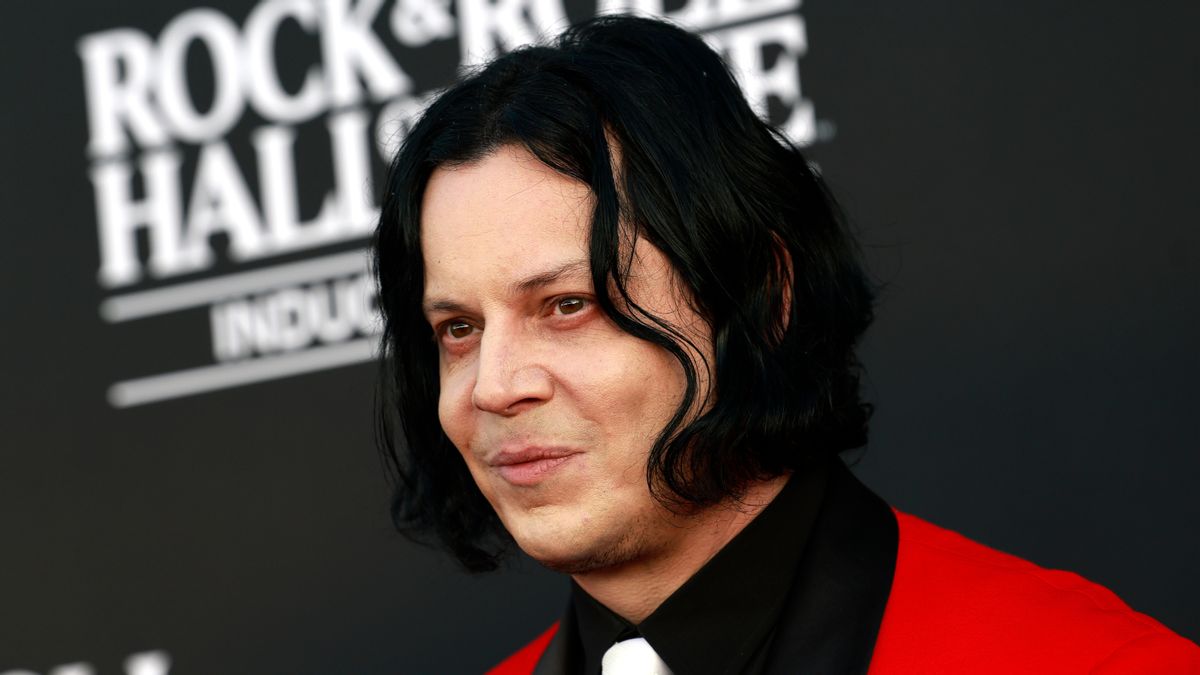
In an extraordinary clash between a renowned rock musician and the presidential administration, Jack White of The White Stripes fame and the White House communications team engaged in a heated public exchange that has drawn significant attention across social media platforms.
The dispute began on August 18, 2025, when White posted a photo on Instagram showing President Donald Trump and Ukrainian President Volodymyr Zelenskyy meeting in the Oval Office. White criticized the decor, writing: “Look at how disgusting Trump has transformed the historic White House. It’s now a vulgar, gold leafed and gaudy, professional wrestler’s dressing room.”
This relatively mild aesthetic critique prompted an unusually personal and aggressive response from White House Communications Director Steven Cheung. In statements provided to both The Daily Beast and The Hill, Cheung described White as a “washed up, has-been loser posting drivel on social media because he clearly has ample time on his hands due to his stalled career.” Cheung further claimed White has been “masquerading as a real artist” who “fails to appreciate, and quite frankly disrespects, the splendor and significance of the Oval Office.”
The administration’s harsh response to a celebrity’s criticism of interior design choices marks an unusual escalation in political discourse, particularly given that White’s initial comment focused solely on aesthetics rather than policy.
White, whose band is best known for hits like “Seven Nation Army,” responded with a lengthy statement on August 20 that has since gained viral attention. He expressed surprise that his critique of the Oval Office decor—not his previous criticisms of Trump’s policies and actions—was what finally prompted a White House response.
“How petty and pathetic and thin skinned could this administration get?” White wrote. “‘Masquerading as a real artist’? Thank you for giving me my tombstone engraving!”
The musician went on to list numerous policy positions and controversies he had previously criticized without receiving a response, including immigration enforcement, the January 6 Capitol riot, and foreign policy approaches to various international crises. He characterized the administration’s focus on his decor comments as revealing of their priorities.
White’s response reflected the growing tension between the arts community and the current administration. The musician, who founded Third Man Records and has maintained creative control over his career, positioned himself as “a human being raised in Detroit” and “an artist who’s owned his own businesses” rather than aligning with a specific political party.
This exchange highlights the increasingly blurred lines between entertainment, social media, and political discourse in America. What began as a comment about White House interior design quickly escalated into personal attacks from official government channels, followed by a musician’s detailed critique of presidential policies.
The incident also demonstrates how the current political environment has drawn artists and musicians more directly into political conversations than in previous eras. White’s response, which he posted unedited on his personal Instagram account, garnered significant engagement and was later amplified across multiple social media platforms.
Communications experts note that such direct exchanges between artists and administrations were once rare but have become increasingly common in an era where social media allows for immediate, unfiltered responses from both public figures and government officials.
As the 2025 political season continues, this incident may signal a heightened level of cultural and political division, with even seemingly superficial criticisms triggering substantial responses from the highest levels of government.
Fact Checker
Verify the accuracy of this article using The Disinformation Commission analysis and real-time sources.

9 Comments
While I don’t necessarily agree with Jack White’s assessment of the White House decor, the administration’s response seems disproportionately hostile. As a public figure, the president should be able to take mild criticism in stride rather than lashing out so aggressively.
Exactly, the White House should be able to engage in civil discourse rather than resort to personal attacks. This sets a poor example for civil society.
This clash between Jack White and the White House communications team is a prime example of how political discourse has become increasingly polarized and unproductive in recent years. Both sides could have handled this situation with more maturity and nuance.
This exchange raises questions about the appropriate boundaries between political figures and public criticism. While the president deserves respect, artists and the public also have a right to voice their opinions, even if they are critical. Hopefully both sides can learn to engage more constructively in the future.
The White House’s defensive reaction to Jack White’s Instagram post is rather puzzling. Dismissing a prominent artist as a ‘washed up, has-been loser’ comes across as petty and unprofessional. This incident highlights the increasing tensions between the political establishment and cultural figures in the US.
This clash between the White House and Jack White highlights the increasing political polarization in the US. Even a simple aesthetic critique can turn into a bitter public dispute. It will be interesting to see if this incident has any lasting impact on public perceptions of the presidency.
Interesting exchange between Jack White and the White House. While artistic expression can be subjective, it’s concerning to see such a personal and aggressive response from the administration. I wonder if this will have any impact on public perception of the White House decor and overall image.
The White House response to Jack White’s critique seems rather defensive and heavy-handed. Rather than engaging in a thoughtful debate about aesthetics and the public role of the presidential residence, they’ve resorted to name-calling. Not a good look for the administration.
I agree, the White House could have handled this much more diplomatically. Dismissing an artist’s opinion as ‘drivel’ comes across as petty and insecure.