


Listen to the article
Fact Check: Louisiana Senator’s Office Denies False Cancer Diagnosis Claims About His Son
Social media posts claiming that Louisiana Republican Senator John Kennedy’s son Preston has been diagnosed with stage 4 pancreatic cancer are entirely false, according to the senator’s office.
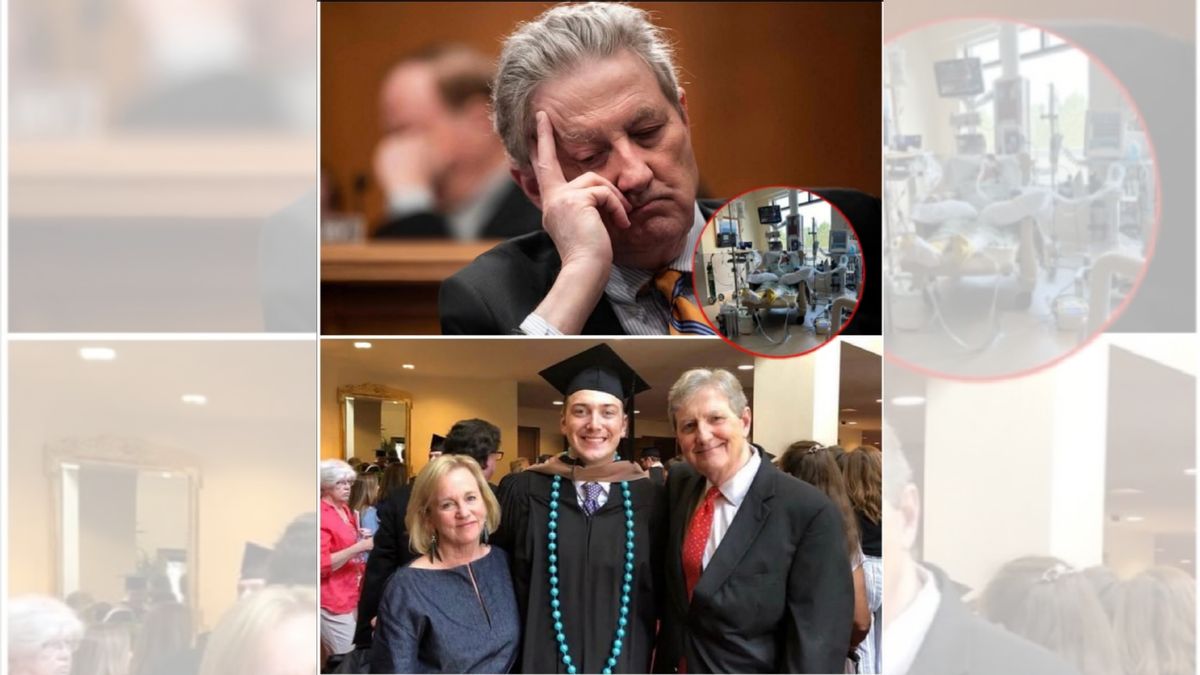
The fabricated story, which spread widely across Facebook and other platforms in late November, claimed that Preston Kennedy collapsed during a routine jog before doctors discovered cancer that had allegedly spread to his liver and lungs. The posts, accompanied by family photos and purported statements from the Kennedy family requesting prayers, gained significant traction despite having no basis in fact.
Senator Kennedy directly addressed the misinformation on November 23, calling it “AI-generated fake news” and confirming that all members of the Kennedy family are in good health. The statement came after multiple constituents and media outlets sought verification of the claims.
An investigation into the posts revealed several hallmarks of synthetic content designed to generate advertising revenue or boost social media engagement. The text contained emotionally manipulative language typical of AI-generated content, such as claims that “the news struck Louisiana like a freight train at midnight” and included passages “begging heaven to hold him close and not let go.”
Further undermining the story’s credibility, the fabricated posts incorrectly stated Preston Kennedy’s age as 43, when reliable news reports indicate he is actually in his late 20s. No credible news organizations reported on any cancer diagnosis within the Kennedy family during this period, which would be unlikely if such news about a U.S. senator’s family were genuine.
While the images used in the posts were authentic – including a family photo Senator Kennedy originally shared on Twitter (now X) in 2019 and legitimate press photographs – the text showed clear signs of artificial intelligence involvement. Analysis through the AI-detection tool GPTZero indicated “high confidence” that the content was machine-generated, though such detection tools do have limitations.
The digital trail behind these posts raised additional red flags. Page transparency information revealed that several Facebook accounts sharing the false claim were managed by individuals based in Vietnam, a country repeatedly linked to fabricated AI-generated stories about public figures and news events. Another page spreading the misinformation listed its owners as residing in Nepal, South Korea, and the United States.
This incident represents part of a growing trend of synthetic misinformation targeting public figures. Similar fabricated stories have appeared with increasing frequency across social platforms, often structured to direct users to external websites filled with advertisements.
Media literacy experts advise verifying emotional claims about public figures by checking the subject’s official social media accounts and looking for corroboration from established news organizations before sharing such content.
The senator’s office has not provided additional comments beyond the initial statement denying the claims, but has made it clear the entire narrative was fabricated and that Preston Kennedy does not have cancer.
Fact Checker
Verify the accuracy of this article using The Disinformation Commission analysis and real-time sources.

5 Comments
It’s disappointing to see false information spreading about someone’s health. I’m glad the Senator’s office was able to quickly debunk this claim and confirm his family is doing well. Spreading misinformation, especially about serious medical issues, is unethical and can be quite harmful.
This is a good example of the importance of verifying claims, especially those that seem emotionally charged or sensational. I appreciate the Senator taking the time to address this directly and provide the facts. It’s crucial that we all remain vigilant against the spread of disinformation.
While I’m relieved to hear the Senator’s family is healthy, the spread of this false claim is troubling. It’s a good reminder to always cross-check information, especially when it involves sensitive personal details. Fact-checking and transparency are essential in combating the rise of disinformation.
Fabricated stories like this one are concerning, as they can erode public trust and distract from real issues. I’m glad the Fact Check article was able to investigate the origins of this claim and identify it as synthetic content. Maintaining accurate information is crucial, especially on sensitive topics.
I’m glad the Senator’s office was able to promptly refute this false claim. Spreading misinformation, especially about someone’s health, is unethical and can have serious consequences. It’s crucial that we all remain critical consumers of information and fact-check claims before sharing them.