


Listen to the article
Recent claims circulating on social media have raised concerns about hormone therapy treatments for menopausal women, prompting medical experts to clarify facts versus fiction regarding these interventions.
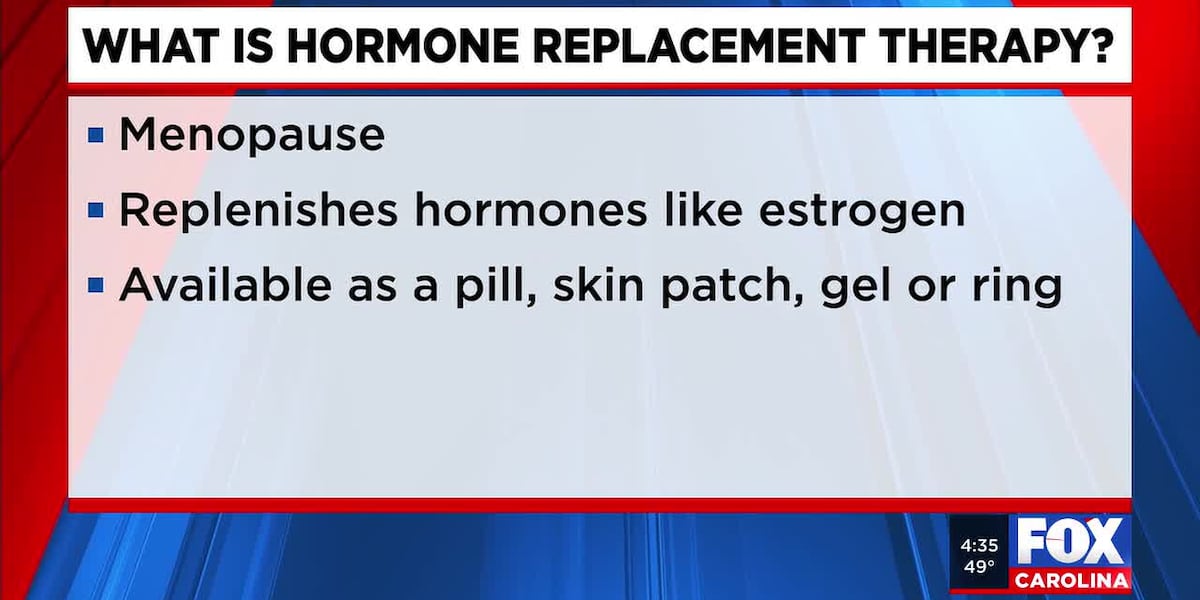
Menopause, a natural biological process marking the end of a woman’s reproductive years, affects approximately 1.3 million American women annually. During this transition, which typically occurs between ages 45 and 55, women experience declining estrogen levels that can trigger symptoms ranging from hot flashes and sleep disruption to mood changes and cognitive difficulties.
Dr. Stephanie Faubion, Medical Director for the North American Menopause Society and Director of the Mayo Clinic Center for Women’s Health, explains that hormone therapy remains the most effective treatment for managing vasomotor symptoms like hot flashes and night sweats. “For many women experiencing moderate to severe symptoms, hormone therapy can provide significant relief and improve quality of life,” Dr. Faubion noted.
The confusion surrounding hormone therapy largely stems from the Women’s Health Initiative (WHI) study, which was halted prematurely in 2002 after preliminary findings suggested increased risks of breast cancer and cardiovascular issues. This abrupt cessation created widespread fear, causing many women to abandon treatments despite suffering debilitating symptoms.
However, subsequent analysis of the WHI data and newer research has provided a more nuanced understanding. “The risks initially reported were largely associated with older women who began hormone therapy many years after menopause onset,” explains Dr. JoAnn Manson, Chief of Preventive Medicine at Brigham and Women’s Hospital in Boston and a principal investigator of the WHI. “For women under 60 or within 10 years of menopause onset, the risk-benefit profile is quite different.”
Medical guidelines now recognize that hormone therapy can be appropriate for many women, particularly those under 60 experiencing moderate to severe symptoms. The North American Menopause Society, the American College of Obstetricians and Gynecologists, and the Endocrine Society all support individualized hormone therapy for symptom management when benefits outweigh risks.
For women concerned about breast cancer risks, research provides some reassurance. Estrogen-only therapy, typically prescribed for women who have had hysterectomies, shows no increased breast cancer risk and may even slightly reduce it in some populations. Combined estrogen-progestogen therapy, used for women with an intact uterus, carries a small increased risk that diminishes after treatment cessation.
“The absolute risk is actually quite small,” says Dr. Faubion. “For every 1,000 women using combined hormone therapy for five years, we might see approximately four additional cases of breast cancer. This needs to be weighed against the significant quality of life improvements many women experience.”
Modern hormone therapy options have evolved considerably since the WHI study. Lower doses, different delivery methods like transdermal patches, and more selective hormones offer potentially safer profiles than treatments available two decades ago.
The pharmaceutical market for menopause treatments has responded to growing demand, with the global hormone replacement therapy market projected to reach $46.5 billion by 2027. Companies including Pfizer, Novartis, and Bayer have invested in developing next-generation treatments with improved safety profiles.
Beyond hormonal approaches, non-hormonal options have emerged for women with contraindications to hormone therapy. The FDA recently approved fezolinetant, a neurokinin receptor antagonist that targets the brain’s temperature control center to reduce hot flashes without hormones.
Healthcare providers emphasize that treatment decisions should be individualized. “The best approach considers a woman’s age, time since menopause, symptom severity, personal medical history, and preferences,” says Dr. Manson. “There is no one-size-fits-all answer.”
Experts also stress the importance of lifestyle measures alongside medical interventions. Regular physical activity, stress reduction techniques, adequate sleep, and avoiding triggers like alcohol and spicy foods can help manage symptoms for many women.
As the medical community continues refining its understanding of menopause management, the consensus remains that women should not needlessly suffer with symptoms that significantly impact quality of life. Women experiencing menopausal symptoms are encouraged to consult with healthcare providers knowledgeable about current evidence to make informed decisions about treatment options.
Fact Checker
Verify the accuracy of this article using The Disinformation Commission analysis and real-time sources.

8 Comments
Interesting to learn more about the biological process of menopause and how hormone therapy can help manage the symptoms. Curious to hear if there are any emerging alternatives or complementary treatments being explored.
That’s a good point. I imagine research is ongoing into non-hormonal options that could provide relief while minimizing potential risks. Understanding all the options is important for informed decision-making.
Hormone therapy seems like a complex issue with pros and cons to weigh. I’m glad the article highlighted the need to consult with a doctor to determine the best approach for each individual.
Hormone therapy seems like a nuanced topic. I appreciate the medical experts clarifying the facts around its benefits for managing menopausal symptoms. It’s important to separate truth from fiction on this issue.
Yes, the WHI study raises some caution, but the overall evidence appears to show hormone therapy can provide significant relief for many women. Consulting with a doctor is key.
This article does a good job of presenting the facts around hormone therapy for menopausal women in a balanced way. Appreciate the expert insights from Dr. Faubion on the benefits and risks.
The prevalence of menopause in the U.S. is higher than I would have guessed. Glad to see medical professionals working to dispel myths and provide clear guidance on hormone therapy options.
Yes, menopause affects a large number of women, so getting accurate information out there is crucial. Empowering women to make informed decisions about their health is important.