


Listen to the article
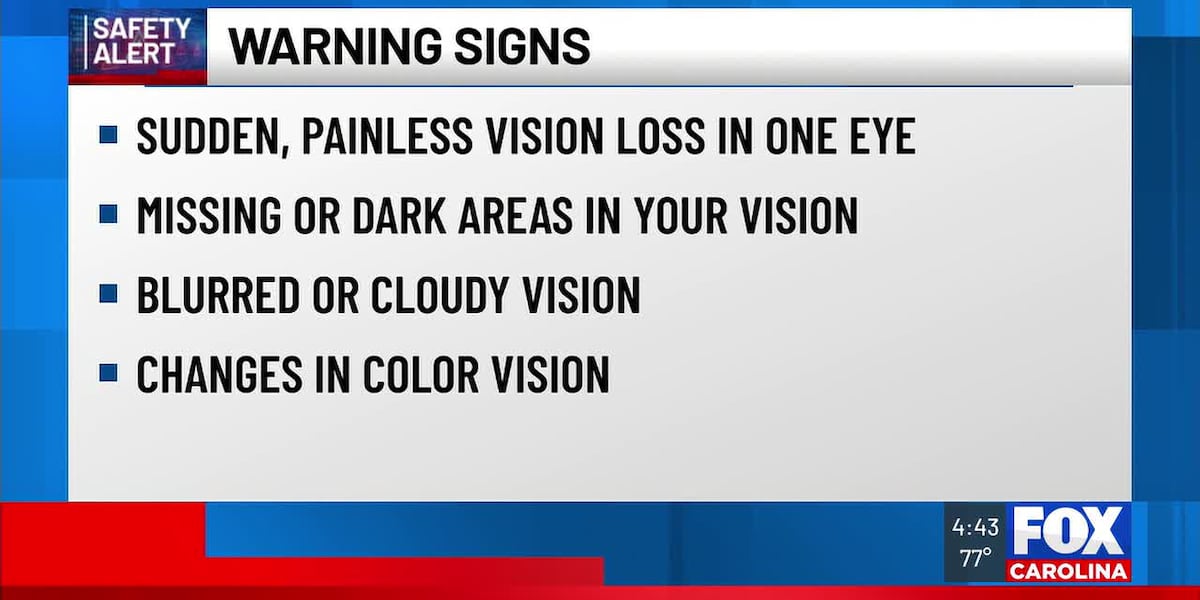
Can weight loss medication affect your vision? This question has emerged as a significant concern amid the soaring popularity of GLP-1 receptor agonists like Ozempic, Wegovy and Mounjaro—medications originally developed for type 2 diabetes that have gained widespread use for weight management.
Recent reports have linked these medications to potential vision problems, prompting health authorities to investigate whether such concerns are medically substantiated or merely coincidental.
The U.S. Food and Drug Administration recently added retinopathy, a condition affecting blood vessels in the eyes, to the list of potential adverse reactions for semaglutide medications. This addition follows a safety review that evaluated real-world evidence, though the agency emphasized that a definitive causal relationship has not yet been established.
Dr. Jayanth Sridhar, an associate professor of ophthalmology at the University of Miami’s Bascom Palmer Eye Institute, explains that diabetic retinopathy occurs when high blood sugar damages blood vessels in the retina. “When blood sugar levels fluctuate rapidly—whether increasing or decreasing—it can sometimes accelerate retinopathy progression in patients who already have the condition,” Sridhar noted.
This connection is particularly relevant because GLP-1 medications like Ozempic were initially designed to help manage blood sugar levels in diabetic patients. Rapid changes in glucose levels can potentially trigger or worsen existing eye conditions, especially in individuals with diabetes.
Medical professionals emphasize that the risk primarily affects people with pre-existing diabetic retinopathy rather than representing a new side effect for all users. Dr. Robert Gabbay, chief scientific and medical officer at the American Diabetes Association, points out that similar concerns have been documented with intensive insulin therapy, which can also cause rapid blood sugar changes.
“It’s important to understand that the potential vision issues are not a new side effect of the medication itself, but rather a consequence of how quickly blood sugar levels are brought under control,” Gabbay explained.
For otherwise healthy individuals using these medications solely for weight loss, the vision-related risks appear to be minimal. However, the medical community recommends that patients with diabetes undergo comprehensive eye examinations before starting GLP-1 medications and continue regular monitoring throughout treatment.
Novo Nordisk, the manufacturer of Ozempic and Wegovy, acknowledges the importance of this precaution. In a statement, the company confirmed that diabetic retinopathy is listed as a potential side effect in their product information and emphasized their commitment to patient safety through ongoing monitoring and research.
The popularity of these medications has skyrocketed in recent years, with an estimated 9 million Americans now using GLP-1 agonists. This surge has been fueled by both their effectiveness in diabetes management and impressive weight loss outcomes, with users typically losing 15-20% of their body weight.
As demand continues to outpace supply, healthcare providers are finding themselves navigating complex discussions with patients about both the benefits and potential risks of these medications. The situation is further complicated by insurance coverage limitations, with many plans covering the drugs for diabetes but not for weight management.
Ophthalmologists recommend that all patients starting GLP-1 medications—regardless of diabetes status—should inform their eye care providers. “Even if you’re using these medications purely for weight loss, your eye doctor should know about it as part of your complete medical history,” said Dr. Sridhar.
For patients with diabetes who are considering these medications, the advice is more explicit: undergo a baseline eye examination before starting treatment and follow up regularly according to your ophthalmologist’s recommendations.
While research continues into the precise relationship between GLP-1 medications and vision health, medical experts stress that the benefits of these medications generally outweigh the risks when used appropriately and with proper monitoring. The key, they suggest, is informed decision-making through open communication between patients and their healthcare providers.
Fact Checker
Verify the accuracy of this article using The Disinformation Commission analysis and real-time sources.

10 Comments
The FDA’s addition of retinopathy to the adverse reactions list is a prudent step, though more research is clearly needed. Rapid changes in blood sugar can have complex effects on the body, so vigilance around potential vision impacts is warranted.
Agreed, the FDA is right to flag this issue and encourage further investigation. Medication safety, especially for conditions affecting vulnerable populations, is critical.
This is an important issue that deserves close attention. Vision is such a fundamental part of quality of life, so any potential risks from weight loss drugs need to be thoroughly investigated. Glad to see health authorities taking it seriously.
Absolutely. Maintaining public trust in new medications is also critical, so being transparent about potential side effects is the right approach, even if the causal link isn’t definitive yet.
This is an important topic as GLP-1 agonists become more widely used. Even if a definitive causal link isn’t established, it’s prudent for doctors and patients to be aware of the potential for vision issues and monitor closely. Safety should be the top priority.
Weight loss is a complex issue, and it’s not surprising that novel medications can have unexpected side effects. Glad to see this getting attention – vision health is so important and any potential risks need to be fully understood.
Absolutely. Balancing the benefits and risks of any new drug is critical, especially for conditions like diabetes and obesity where treatment options can significantly impact quality of life.
Fascinating to see this investigation into potential vision effects from weight loss drugs. It’s good that health authorities are closely monitoring for any safety issues, though more research is still needed to establish a clear causal link. Curious to see what other findings emerge as the review continues.
Agreed, it’s important to carefully evaluate the real-world evidence before drawing conclusions. Better to have a thorough scientific understanding of the risks rather than relying on anecdotal reports.
As someone who has struggled with weight, I’m very interested in this topic. Any new treatments come with risks, and vision health is so important. I hope researchers can get to the bottom of this and provide clear guidance for doctors and patients.