


Listen to the article
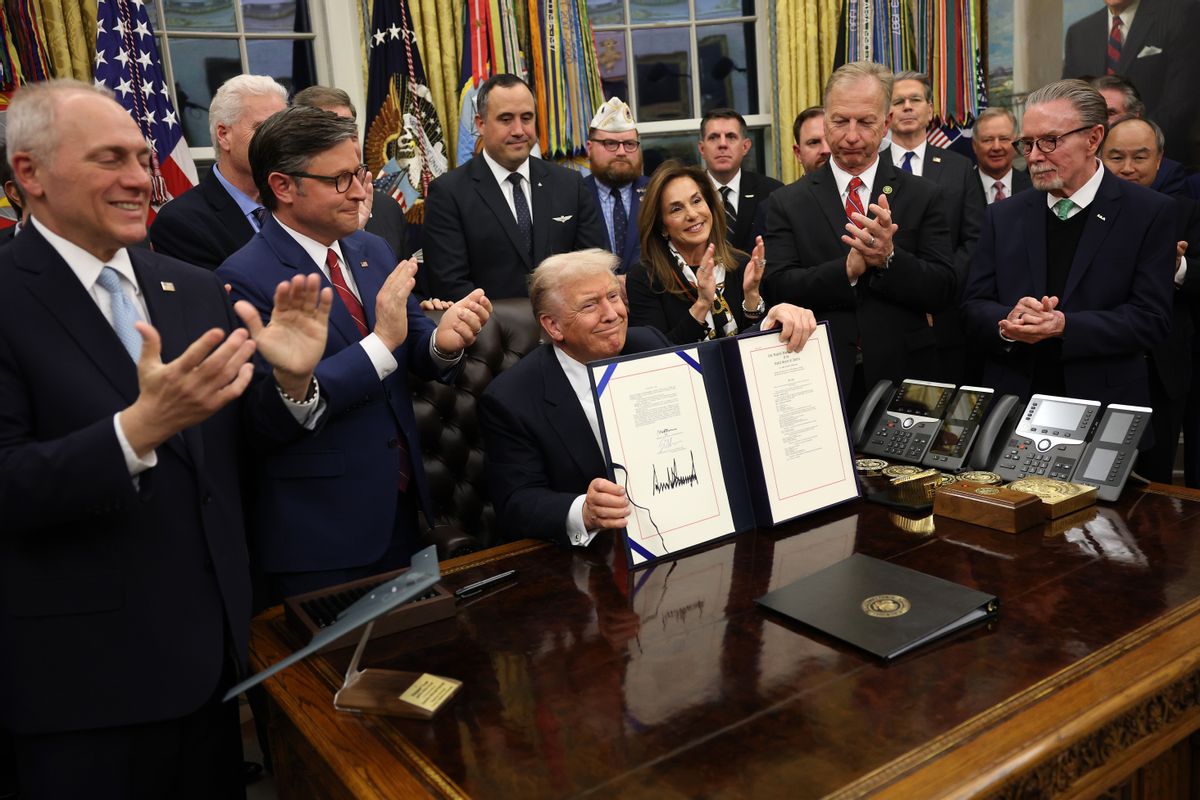
In a controversial move that has sparked debate across political lines, the U.S. government’s recent funding bill signed by President Trump on November 12, 2025, contains significant rollbacks to food safety regulations that had been designed to prevent contamination and foodborne illnesses.
The legislation, which ended a weeks-long government shutdown, includes specific provisions that cut Food and Drug Administration (FDA) rules aimed at ensuring food safety in the U.S. supply chain. The changes were first highlighted in reporting by the investigative news outlet The Lever and have since generated widespread public concern.
At the heart of the controversy are two sections of the bill that effectively dismantle or delay key food safety measures. Section 735 exempts hops, wine grapes, almonds, and legume producers from FDA’s 2015 regulations that established “science-based minimum standards for the safe growing, harvesting, packing, and holding of produce.” These standards were originally implemented to reduce the risk of foodborne illness through contaminated produce.
The same section also shields these industries from pending regulations regarding agricultural water quality standards and farmworker hygiene practices—measures intended to prevent contamination at the source.
Perhaps more concerning to food safety advocates is Section 780, which prohibits the FDA from enforcing any rules created under the FDA Food Safety Modernization Act’s traceability provisions until July 2028. This effectively delays for years the “Requirements for Additional Traceability Records for Certain Foods” rule, which was finalized in 2023 after being initially proposed during the first Trump administration in 2020.
The traceability rule was designed to help authorities rapidly identify recipients of potentially contaminated foods to prevent or mitigate foodborne illness outbreaks. The provision not only delays implementation but also directs the FDA to work with “regulated entities” to create “additional flexibilities”—essentially weakening the regulations further.
The bill passed the Senate with support from every Republican, seven Democrats, and one independent who caucuses with Democrats. In the House, all but two Republicans voted in favor, joined by just six Democrats who broke with their party.
Industry groups have long opposed these regulations, arguing they were unnecessarily burdensome or not critical for food safety. Various food industry representatives have spent millions lobbying Congress in support of their interests, including advocating for cuts to what they view as excessive regulations.
According to transparency organization OpenSecrets, food and beverage industry lobbying is a multimillion-dollar effort, with companies and trade associations making substantial political donations. While these lobbying efforts and donations are legal, critics argue they unduly influence policy decisions at the expense of public health protections.
When contacted for comment, Speaker of the House Mike Johnson and Senate Majority Leader John Thune did not immediately respond to requests for explanation about the decision to reduce food safety laws.
Food safety experts warn these changes could have real-world consequences for consumers. The 2015 produce safety rule explicitly stated it was expected to “reduce foodborne illness associated with the consumption of contaminated produce.” Without these protections, particularly for high-risk crops, consumers may face increased exposure to preventable contamination.
The traceability provisions were similarly designed to enhance public health by allowing faster responses to food contamination events. The new delays mean the food system will continue operating without these enhanced tracking capabilities for at least three more years, potentially complicating responses to foodborne illness outbreaks.
The regulatory rollbacks represent a significant victory for food industry groups that had submitted formal comments opposing aspects of these rules during their development. The National Grocers Association, National Restaurant Association, and National Fisheries Institute were among organizations that had sought changes or exemptions to the regulations.
As the dust settles on this controversial legislation, consumers and food safety advocates are left questioning whether the trade-offs made to end the government shutdown may come at too high a cost to public health protections.
Fact Checker
Verify the accuracy of this article using The Disinformation Commission analysis and real-time sources.

14 Comments
This is an important issue that deserves careful consideration. While reducing regulatory burdens can have benefits, food safety must remain a top priority. I hope policymakers will closely examine the potential impacts and unintended consequences before finalizing these changes.
Well said. Any changes to food safety rules should be based on robust scientific analysis, not political expediency. The public health impacts need to be the primary consideration here.
This is a concerning development that warrants close scrutiny. Food safety regulations exist for good reason, and we should be very wary of weakening them, even if it’s under the guise of reducing red tape. I hope policymakers will carefully weigh the potential public health impacts before finalizing these changes.
Well said. Maintaining a safe and secure food supply should be an ironclad priority, not something to be compromised for industry interests or political expediency. The public deserves robust safeguards, not regulatory rollbacks that could jeopardize their health and safety.
Hmm, this is certainly a controversial and complex issue. I can see arguments on both sides, but in the end public health and consumer protection have to be the guiding principles. I hope the full implications of these rollbacks will be thoroughly evaluated before implementation.
Absolutely. Given the potential risks, a cautious, evidence-based approach is warranted here. Rushing to dismantle food safety rules without careful analysis could have severe unintended consequences.
This news is concerning, as food safety regulations are critical to protecting public health. While reducing regulatory burdens can have benefits, we must be extremely cautious about compromising core safeguards. I hope policymakers will prioritize rigorous analysis over industry lobbying on this issue.
Agreed. Maintaining robust food safety standards should be the top priority, even if it means resisting pressure from certain industry groups. The risks to public health are simply too high to justify these kinds of rollbacks without very compelling justification.
Interesting, the specific exemptions for hops, wine, almonds, and legumes are quite puzzling. I’d like to know more about the reasoning behind carving out those particular sectors. Food safety regulations should be applied consistently across the supply chain to be effective.
Agreed, those industry-specific exemptions raise red flags. It suggests potential industry lobbying rather than a coherent, evidence-based policy. The public deserves to know the rationale and potential risks.
Hmm, this seems like a concerning development that merits close scrutiny. I wonder what industry groups or political interests may have pushed for these changes, and how they are being justified. Food safety standards are crucial and should not be compromised lightly.
Good point. We need to understand the motivations and potential conflicts of interest here. Watering down food safety rules to benefit certain industries at the expense of public health would be very troubling.
This is certainly concerning news about food safety regulations being rolled back. While I understand the desire to reduce red tape, we must ensure adequate protections are in place to prevent foodborne illnesses. Curious to hear more details on the specific changes and their potential impacts.
I agree, food safety should be a top priority. The rollbacks seem overly broad and could have serious public health consequences if not carefully considered. More transparency on the rationale and potential tradeoffs would be helpful.