


Listen to the article
Amazon Highway Project Sparks Climate Conference Controversy
Claims that pristine Amazon rainforest was cleared specifically for a highway to serve Brazil’s COP30 climate summit have gone viral on social media, including amplification from former US President Donald Trump. These assertions, however, present an incomplete picture of a complex infrastructure project that predates the climate conference.
Trump recently wrote on his Truth Social platform: “They ripped the hell out of the Rainforest of Brazil to build a four lane highway for Environmentalists to travel. It’s become a big scandal!” Similar criticisms have been echoed by conservative commentators like Chris Kenny of Sky News Australia, who used the highway to criticize what he termed “alarmism and moral panic” about climate change.
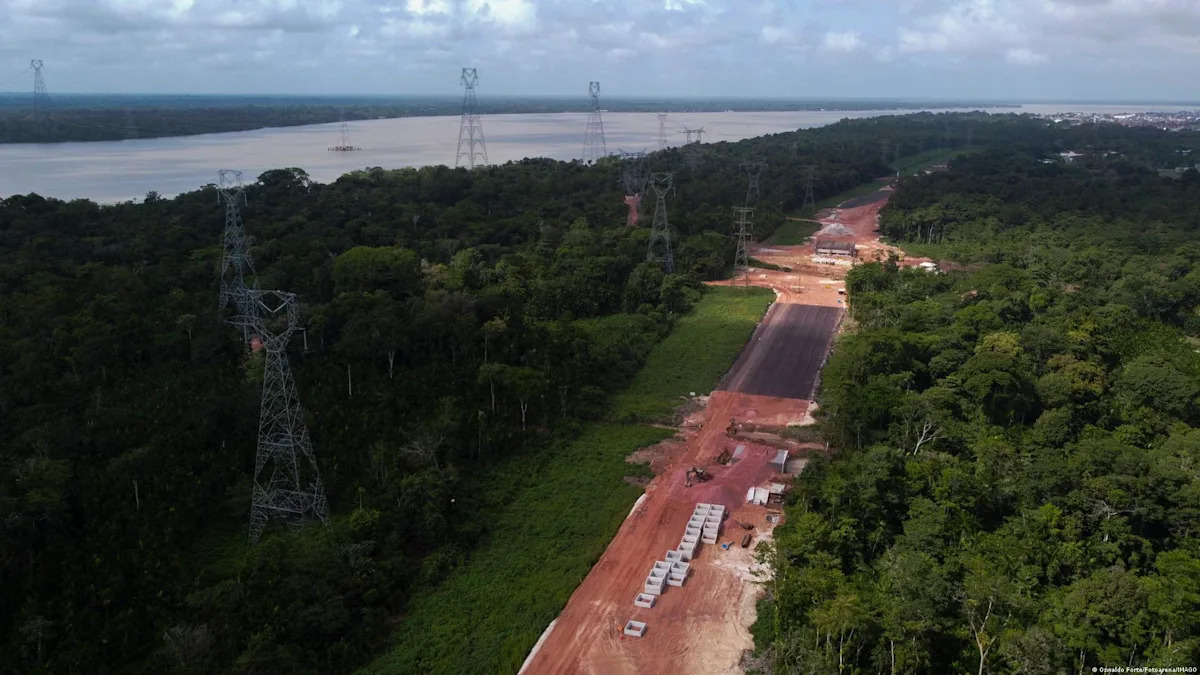
The 13.2-kilometer four-lane highway, named Avenida Liberdade, is indeed being constructed near Belem, the Brazilian city currently hosting the World Climate Conference. However, according to local officials, plans for this highway date back to 2012, well before Belem was selected as the COP30 venue.
The project was officially announced in 2020 and construction began in June 2024. Ana Claudia Cardoso, a professor of urban studies at the Federal University of Para, told Reuters in March that “there’s been talk about that project for over 20 years, but there was a lot of resistance. The need to prepare the city for a mega event ends up giving the necessary justification.”
The controversy intensified following a BBC report in March headlined “Amazon forest felled to build road for climate summit,” which Brazilian officials promptly disputed. In their rebuttal, event organizers stated the headline was “misleadingly suggesting a connection between the construction project and the federal government’s actions in preparing for the Conference.” They emphasized that Avenida Liberdade was not among the 33 infrastructure projects planned specifically for COP30.
The Para state government described the highway as a sustainable project designed to lower carbon emissions by reducing travel time. The plan includes wildlife crossings, bike lanes, and solar-powered lighting to minimize environmental impact. The highway follows an existing power cable line where vegetation had already been cleared before construction began.
Importantly, the area is not untouched primary rainforest but rather a State Environmental Protection Area (APA), a designation that allows limited sustainable use and controlled human activity. The zone already includes major infrastructure such as the Federal Rural University of Amazonia.
Nevertheless, environmental experts warn that the nearby Utinga State Park and wildlife could suffer from increased noise, pollution, and urban expansion facilitated by the road. Local communities have twice halted construction through protests—in October 2024 and July 2025—demanding proper consultation and compensation for land appropriation.
The controversy reveals what researchers at the Eurovision News Spotlight call an “authenticity gap” around climate summits. Their analysis of 70,000 social media posts found that “international climate conferences like COP30 are structurally vulnerable because they require extensive, high-carbon logistics.” The optics of delegates flying private jets, staying in luxury accommodations, and using motorcades undermine the messaging about reducing carbon emissions.
The BBC maintains that their reporting was accurate, citing an interview with Adler Silveira, the state’s infrastructure secretary, who listed Avenida Liberdade among projects happening in preparation for COP30. They also referenced a government press release from November that initially included the highway in a list of “Infrastructure projects by the State Government for COP 30.” This paragraph was removed from the online press release shortly after the BBC’s story was published.
The situation illustrates how infrastructure decisions in environmentally sensitive regions become lightning rods for criticism, especially when associated with climate conferences. Those opposing climate action initiatives frequently employ terms like “hypocrisy,” “scam,” or “scandal” to characterize such projects, transforming logistical inconsistencies into symbols of what they portray as elite corruption.
As world leaders continue their climate discussions in Belem, the Avenida Liberdade project stands as a complex example of the challenges in balancing infrastructure needs with environmental protection—a tension that exists far beyond the timeline of any single climate conference.
Fact Checker
Verify the accuracy of this article using The Disinformation Commission analysis and real-time sources.

10 Comments
Useful fact check on the claims around the Amazon highway and COP30. Glad to see the details unpacked in a balanced way. Environmental concerns are valid, but the timeline indicates this project predates the climate conference. I’m curious to hear more perspectives on balancing development and conservation in the region.
The claims of rainforest clearing specifically for a COP30 highway seem to be an oversimplification. The project predates the climate conference, so the motivations and timeline are more complicated. It’s good to have a fact-based analysis to cut through the rhetoric.
This is a helpful examination of the facts around the controversial Amazon highway project. While the environmental impacts are concerning, the timeline suggests the project predates the COP30 summit. I’m glad to see a balanced, well-researched analysis cutting through the rhetoric.
It’s good to see a fact-based look at this contentious issue. While the highway construction is worrying from an environmental standpoint, the timeline suggests it’s not directly tied to the COP30 summit as some have claimed. Appreciate the effort to provide nuanced, well-researched information.
This is a helpful fact check on a contentious issue. While the highway construction is concerning from an environmental standpoint, it appears the project timeline predates the COP30 summit. I appreciate the effort to provide balanced, well-researched information.
It’s good to see a fact-based analysis of this controversial infrastructure project. While environmental concerns are valid, it’s important to examine the full context and timeline rather than jumping to conclusions. I appreciate the nuanced approach here.
This is a complex issue with valid concerns on both sides. I’m glad to see the details unpacked – it’s important to avoid knee-jerk reactions and look at the facts. Curious to hear more perspectives on balancing development and environmental protection in the Amazon region.
The allegations of rainforest clearing for a COP30 highway seem to be an oversimplification. Glad to see the details unpacked in this fact check. It’s a complex issue with valid concerns on both sides, so I appreciate the nuanced approach.
This is a useful fact check. While environmental concerns around the Amazon highway are valid, it’s important to look at the full timeline and context rather than jumping to conclusions. Appreciate the effort to provide a balanced, well-researched analysis on a complex issue.
Glad to see a nuanced look at this controversial infrastructure project. The claims of it being tied to the COP30 summit seem to be an oversimplification. It’s important to examine the full context and timeline rather than jumping to conclusions. Curious to hear more perspectives.