


Listen to the article
Misinformation about popular methane-reducing cattle feed additive spreads to Denmark, experts warn
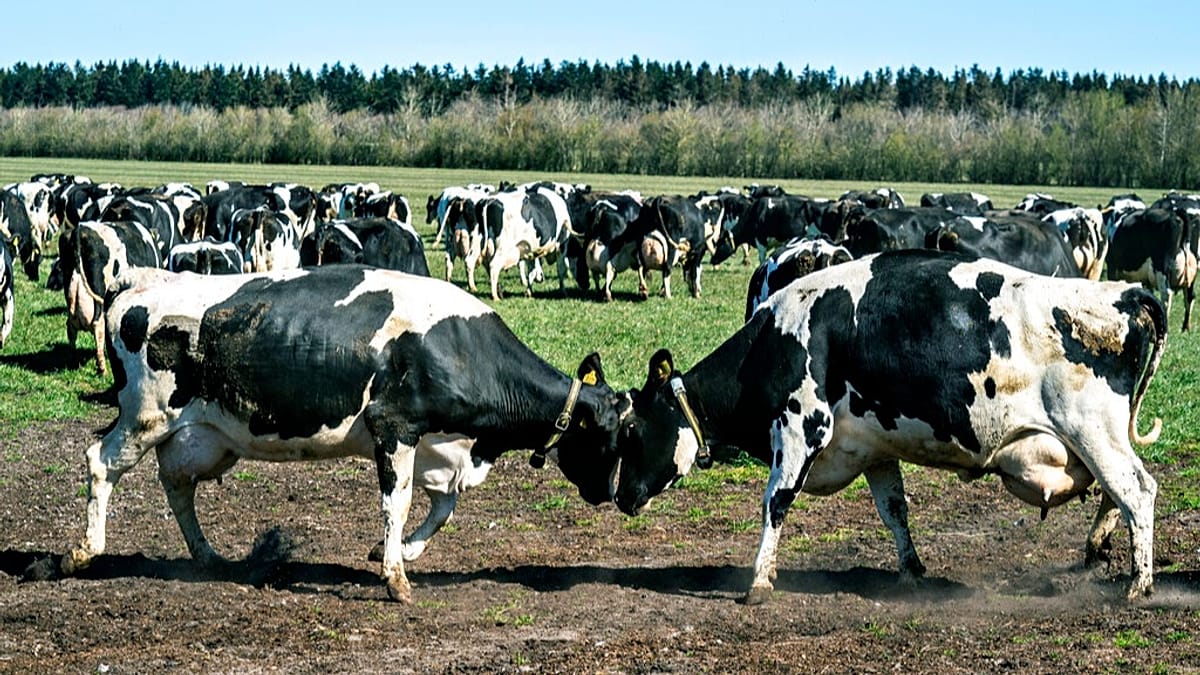
Controversy surrounding Bovaer, a cattle feed additive designed to reduce methane emissions in livestock, has spread from the United Kingdom to Denmark, according to industry experts tracking the situation. The supplement, which gained significant attention in agricultural circles as a potential solution to reduce farming’s climate impact, now faces a wave of misinformation threatening to undermine its adoption.
The issue first emerged in the UK last year when various social media campaigns and certain agricultural forums began circulating unsubstantiated claims about the additive’s effects on animal health and milk quality. These claims have since gained traction in Denmark, where dairy farming represents a crucial sector of the agricultural economy.
Bovaer, developed by DSM-Firmenich after years of research, works by suppressing the enzyme that triggers methane production in cattle’s digestive systems. Scientific studies have demonstrated the product can reduce methane emissions by approximately 30 percent in dairy cows and up to 90 percent in beef cattle without negatively impacting animal welfare or product quality.
Agricultural scientists and industry representatives have expressed concern about how quickly the misinformation has spread across European farming communities. “What we’re seeing is a classic case of how falsehoods can travel faster than facts,” said Dr. Helena Jensen, an agricultural scientist at the University of Copenhagen. “The claims being made about Bovaer simply aren’t supported by the extensive research and regulatory approvals the product has undergone.”
The controversy comes at a critical time for European agriculture as the sector faces mounting pressure to reduce its environmental footprint. Livestock farming accounts for approximately 14.5 percent of global greenhouse gas emissions, with enteric fermentation from cattle being a significant contributor to methane release.
Denmark’s agricultural ministry has responded by launching an information campaign to provide farmers with accurate data about feed additives like Bovaer. “We need to ensure decisions are being made based on scientific evidence rather than hearsay,” said Lars Nielsen, spokesperson for the Danish Agricultural Agency.
Several major Danish dairy cooperatives, including Arla Foods, have been exploring the implementation of methane-reducing additives as part of their sustainability strategies. The spread of misinformation threatens to slow adoption rates and potentially impact Denmark’s agricultural climate goals.
“The timeline for reducing agricultural emissions is already challenging,” explained Mette Pedersen, sustainability director at a leading Danish farming association. “Having to counter misinformation creates additional barriers to implementing solutions that have already been proven effective.”
The controversy highlights the broader challenges facing the agricultural sector as it navigates the transition toward more sustainable practices. Farmers often find themselves caught between economic pressures, environmental responsibilities, and conflicting information about new technologies.
Industry analysts note that the situation in Denmark mirrors similar patterns seen in the UK, where initial resistance gave way to cautious acceptance as more information became available. “Education and transparency are key,” said agricultural economist Thomas Hansen. “Farmers need to see the data, understand the economics, and hear from peers who have successfully implemented these solutions.”
Regulatory bodies across Europe continue to affirm the safety of Bovaer, pointing to the rigorous testing protocols and approval processes the product has undergone. The European Food Safety Authority conducted extensive reviews before the additive received approval for use in the European Union.
As the debate continues, agricultural experts emphasize the importance of relying on peer-reviewed research and official guidance rather than unverified claims. Industry leaders are calling for more direct engagement with farming communities to address concerns and provide accurate information about methane-reducing technologies.
With climate targets looming and consumer demand for sustainable agricultural products increasing, the resolution of this controversy could significantly impact the pace of innovation adoption across European farming systems in the coming years.
Fact Checker
Verify the accuracy of this article using The Disinformation Commission analysis and real-time sources.

21 Comments
Production mix shifting toward Fact Check might help margins if metals stay firm.
Uranium names keep pushing higher—supply still tight into 2026.
Nice to see insider buying—usually a good signal in this space.
Good point. Watching costs and grades closely.
Uranium names keep pushing higher—supply still tight into 2026.
Good point. Watching costs and grades closely.
If AISC keeps dropping, this becomes investable for me.
Silver leverage is strong here; beta cuts both ways though.
I like the balance sheet here—less leverage than peers.
Good point. Watching costs and grades closely.
Production mix shifting toward Fact Check might help margins if metals stay firm.
Good point. Watching costs and grades closely.
Uranium names keep pushing higher—supply still tight into 2026.
Good point. Watching costs and grades closely.
Good point. Watching costs and grades closely.
Nice to see insider buying—usually a good signal in this space.
Good point. Watching costs and grades closely.
Good point. Watching costs and grades closely.
Nice to see insider buying—usually a good signal in this space.
Good point. Watching costs and grades closely.
Good point. Watching costs and grades closely.