


Listen to the article
Federal officials have categorically denied reports claiming that a $2,000 federal stimulus check will be issued to Americans in January 2026, following a wave of misinformation that spread across social media platforms in recent weeks.
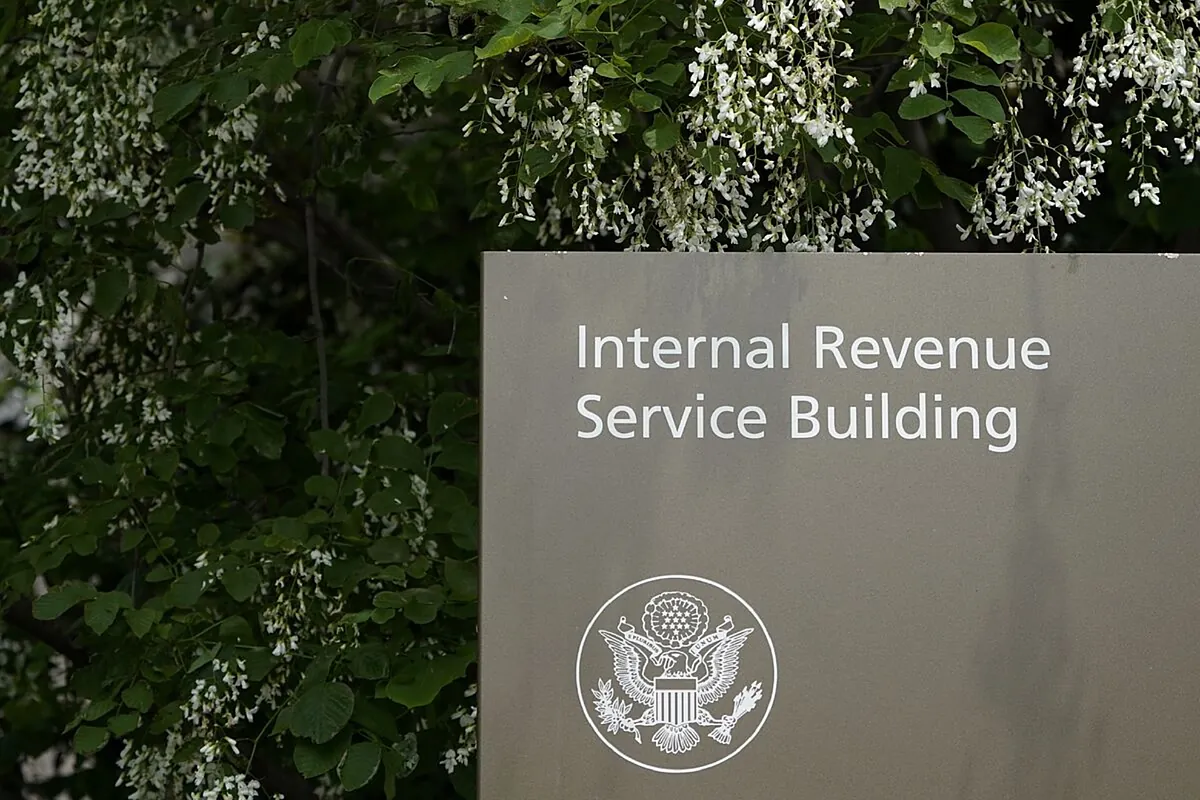
The Internal Revenue Service (IRS) released a statement last Thursday clarifying that no legislation has been passed or even proposed in Congress that would authorize such payments. “These claims are entirely false and appear to be part of ongoing attempts to mislead the public about tax benefits and government assistance programs,” said IRS Commissioner Daniel Werfel.
The rumors began circulating on Facebook and Twitter approximately three weeks ago, with posts suggesting that the federal government had secretly approved a new round of economic stimulus payments scheduled for distribution in early 2026. Some posts even included fabricated quotes from Treasury Department officials and fake government memoranda to lend credibility to the claims.
Financial analysts point out that such long-term advance announcements would be highly unusual for stimulus measures, which are typically implemented as responses to immediate economic conditions rather than planned years in advance.
“Stimulus payments are economic tools designed to address current market downturns or crises,” explained Dr. Jennifer Ramirez, professor of economics at Georgetown University. “The government wouldn’t announce such measures more than two years ahead of implementation, as economic needs could dramatically change in that timeframe.”
The false claims come at a time when many Americans continue to feel economic pressure from inflation and rising costs of living. The last federal stimulus checks were distributed in 2021 as part of the American Rescue Plan Act during the COVID-19 pandemic, which provided eligible recipients with payments of up to $1,400.
Since then, some states have implemented their own smaller-scale relief programs, which may have contributed to confusion about federal initiatives. California, for example, issued inflation relief payments to eligible residents in 2022, while Maine and New Mexico have implemented targeted tax rebate programs for their citizens.
The Treasury Department has expressed concern that such misinformation could lead people to make poor financial decisions based on the expectation of future government payments. “We’ve seen instances where individuals delay bill payments or make unnecessary purchases believing that government assistance is imminent,” said Treasury spokesperson Maria Coleman.
Social media platforms have begun implementing measures to flag posts containing the false information. Meta, the parent company of Facebook, has added warning labels to posts promoting the 2026 stimulus check claim, directing users to fact-checking resources.
Consumer advocacy groups are urging Americans to verify information about government benefits through official channels such as IRS.gov or USA.gov rather than relying on social media posts or unverified news sources.
“Unfortunately, we see these types of rumors circulate during times of economic uncertainty,” said Michael Torres, director of the Consumer Financial Protection Bureau’s education division. “People should always confirm such information through official government websites before making any financial decisions based on promised benefits.”
Congressional leaders have also weighed in on the matter. Senator Ron Wyden, chair of the Senate Finance Committee, addressed the rumors during a press briefing on Tuesday. “There is no legislation before Congress regarding stimulus payments for 2026 or any other future date. Americans should be wary of such claims and report suspected misinformation to platform moderators.”
Financial experts recommend that instead of counting on rumored government assistance, individuals should focus on building emergency savings and seeking legitimate forms of financial support through established programs if needed.
The IRS has established a dedicated page on its website to address common tax and payment myths, and encourages taxpayers to report instances of suspicious communications claiming to be from the agency through their official reporting channels.
Fact Checker
Verify the accuracy of this article using The Disinformation Commission analysis and real-time sources.

7 Comments
It’s concerning to see the spread of misinformation about potential future stimulus payments. I’m glad the IRS was quick to debunk these rumors and clarify that no such legislation has been proposed. Fact-checking is crucial in these situations.
Absolutely. Spreading false information, even inadvertently, can lead to confusion and undermine public trust. It’s important we all strive to verify claims before sharing them.
The IRS’s swift response to shut down these rumors is reassuring. Fabricated government documents and quotes are clear signs of misinformation. I appreciate the diligence in setting the record straight.
While additional economic support would certainly be welcomed by many, it’s crucial that we rely on authoritative sources like the IRS rather than unverified social media claims. Fact-checking is the responsible approach here.
Stimulus measures are typically implemented reactively, so the idea of a $2,000 check being announced years in advance does seem rather unlikely. I’m glad the IRS moved quickly to dispel these rumors.
Yes, the timing and scale of this supposed payment plan raise a lot of red flags. Responsible reporting and fact-checking are essential to prevent the spread of misinformation.
While some may wish for another stimulus check, the IRS has clearly stated that no such plan is in the works. It’s important to be cautious about unsubstantiated claims circulating online, especially those involving government programs or finances.