


Listen to the article
Justice Department Releases Millions of Pages in Epstein Files, Sparking Wave of Misinformation
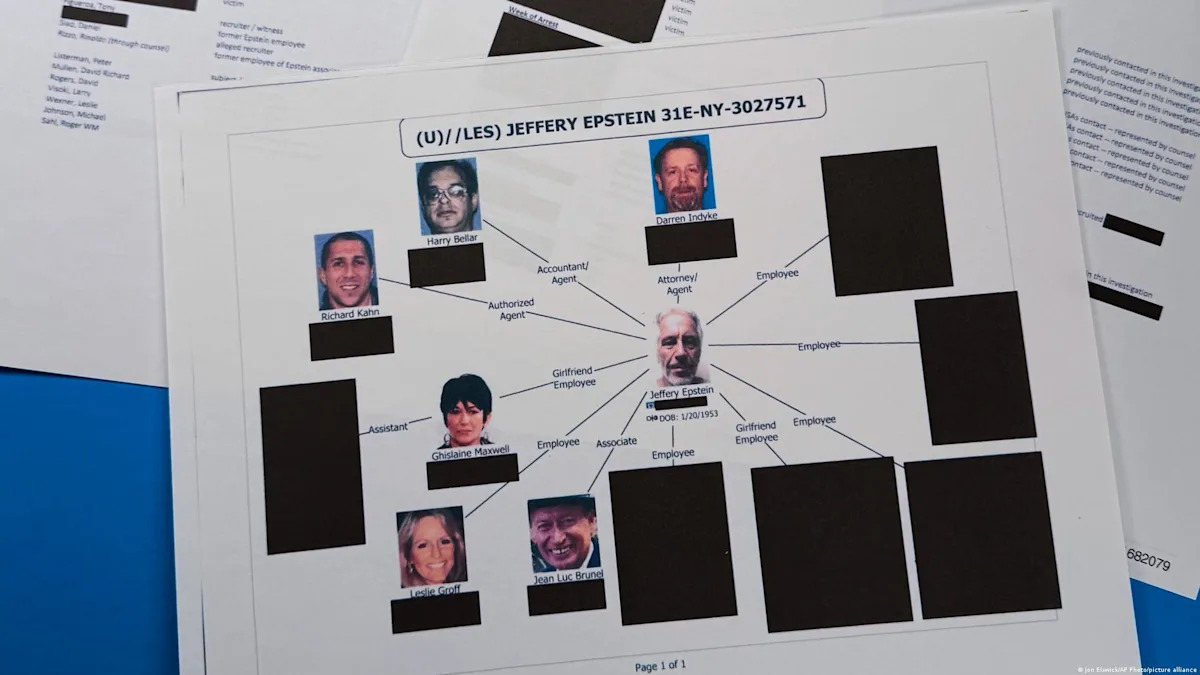
The U.S. Department of Justice released more than 3 million pages of documents related to convicted sex offender Jeffrey Epstein on January 30, triggering an immediate public response as journalists, researchers and internet users began examining the materials.
The documents, which include extensive correspondence, flight logs and investigative materials connected to Epstein’s network of associates, have drawn intense scrutiny across social media platforms. While many users engage in genuine discussion about the revelations, the document release has simultaneously fueled a surge in misleading content—much of it AI-generated or heavily manipulated.
Social media platforms have been inundated with posts, video clips, and screenshots generating millions of engagements. The sheer volume of material has created an environment where factual information and sophisticated fabrications intermingle, making it increasingly difficult for the public to separate truth from fiction.
Among the most widely shared false claims is the assertion that Epstein is still alive. One viral post on X (formerly Twitter), viewed over 2 million times, purported to show leaked images of Epstein walking the streets of Israel, sometimes accompanied by bodyguards. The post accumulated hundreds of comments and reached more than 5 million views.
Analysis of these images reveals clear hallmarks of AI generation. A reverse image search uncovered a larger version of one image displaying nonsensical street signs with gibberish text in alleged Hebrew, Arabic and Latin characters. The signs supposedly translate to “Chor Lon,” which has no meaning in any language. Other AI indicators include unnatural motion blur effects, cloned details on the “bodyguards,” and logical errors such as traffic lights with green positioned at the top instead of red.
The larger version of this image even contains a Gemini watermark in the corner. When analyzed by AI detection tools, these images were flagged with a 94.6% likelihood of being AI-generated, though such detection tools aren’t fully reliable.
Epstein was found dead in his cell in August 2019 while awaiting trial. His death was ruled a suicide following an autopsy by New York City’s chief medical examiner. While the newly released files have shed more light on events surrounding his death, none cast doubt on the fact that Epstein is deceased.
Another widely circulated piece of misinformation is a video allegedly showing a young Donald Trump and Epstein at a party surrounded by minors. One post sharing this clip on X garnered more than 1.2 million views with the caption “Global lectures, darkest secrets,” and versions of the same footage spread across Instagram, TikTok and other platforms.
Digital forensic analysis revealed this video was created by using AI tools to animate a genuine photograph from 1997. The original image showed Trump and Epstein at a Victoria’s Secret fashion event in New York, accompanied by model Ingrid Seynhaeve—with no children present. The AI-manipulated version artificially inserted minors who were never at the event.
The manipulated video contains multiple technical giveaways, including unnaturally smooth skin textures, inconsistent facial expressions, and physics-defying body movements. In some frames, the faces of the fabricated children appear disproportionately small compared to the hands of adults in the scene.
This pattern of mixing authentic archival footage with fabricated elements has become increasingly common in viral posts about the Epstein case. Another widely shared clip purportedly shows Trump and Epstein socializing near young girls, but it’s actually a digitally altered version of authentic footage released by NBC News. The original video shows the two men at Mar-a-Lago with no children present.
Perhaps most concerning is a trend of social media users attempting to “unblur” images of alleged victims. Posts with millions of views show users asking AI chatbots like X’s Grok to “reveal” or “unblur” faces that were intentionally redacted in the released documents. Under the Epstein Files Transparency Act, the Justice Department is required to redact information that could identify victims to protect their privacy and prevent re-traumatization.
When prompted to “unblur” these images, AI models don’t actually reveal what’s behind the redactions. Instead, they generate entirely fabricated faces, creating false leads and potentially causing further harm to actual victims.
“One of the problems with all of the AI-generated content and fake videos circulating among the real videos is it becomes very difficult to distinguish what is real,” said Courtney Radsch of the Center for Journalism and Liberty.
A recent report by NewsGuard, which analyzes online information credibility, demonstrated how quickly AI tools can create convincing deepfakes implicating public figures in the Epstein case. When tested, only ChatGPT refused to create such fakes, while Gemini hesitated and Grok generated them within seconds.
As disinformation expert Tommaso Canetta from the European Digital Media Observatory warned, “We have people believing in things that are not real, but they look exactly like reality.”
This flood of sophisticated misinformation surrounding the Epstein documents highlights the growing challenge of maintaining fact-based discourse in an era where AI tools can rapidly produce convincing falsities that reach millions of viewers.
Fact Checker
Verify the accuracy of this article using The Disinformation Commission analysis and real-time sources.

13 Comments
The Epstein case has been shrouded in mystery for years, so I understand the public’s eagerness to uncover the truth. However, we must be vigilant about verifying any claims, especially those made on social media. Misinformation can do real harm, so let’s focus on facts over speculation.
It’s concerning to see the surge of misleading content around the Epstein files. In such a sensitive case, maintaining accuracy and transparency should be the top priority. I hope the relevant authorities and media outlets can work to combat the spread of misinformation.
The Epstein case is undoubtedly complex and disturbing, and the public’s desire for answers is understandable. However, we must be vigilant about separating fact from fiction, especially when it comes to the contents of the newly released files. Spreading unverified claims, even inadvertently, can do real harm.
Absolutely. In sensitive cases like this, it’s crucial that we rely on credible sources and fact-checking before forming or sharing opinions. The truth matters, and we owe it to the victims to handle this information responsibly.
Interesting that the Epstein files have sparked so much misinformation. It’s important to rely on credible sources and fact-checking when examining these sensitive materials. The public deserves transparency, but not at the cost of accuracy.
Agreed. The sheer volume of information makes it challenging to separate fact from fiction. Careful analysis by journalists and researchers is crucial to uncover the truth.
While the Epstein files contain valuable information, the wave of AI-generated fakes is deeply concerning. We must be extremely cautious about what we believe and share, and rely only on credible sources and fact-checking. The truth is important, but so is maintaining accuracy.
Agreed. Responsible reporting and analysis is crucial in a case like this. Jumping to conclusions or amplifying unverified claims, even with good intentions, can ultimately undermine the pursuit of justice.
The release of the Epstein files is undoubtedly an important development, but the proliferation of AI-generated fakes is troubling. We need to be extremely careful about the sources we trust and the claims we amplify. Fact-checking is crucial in a situation like this.
Well said. Maintaining the integrity of information is paramount, especially when it comes to sensitive cases like this. I hope the relevant authorities can find ways to effectively counter the spread of misinformation.
The Epstein case is incredibly complex, with many unanswered questions. While I’m curious to learn more, it’s critical that any claims about the contents of the files are properly verified before sharing. Misinformation can be incredibly harmful.
Absolutely. The public deserves to know the facts, but spreading unsubstantiated rumors or AI-generated fakes does more harm than good. We must be vigilant and demand rigorous fact-checking.
It’s disheartening to see the Epstein files being used to spread misinformation. In such a sensitive case, we have a duty to be exceedingly careful about the information we consume and share. I hope the relevant authorities can find effective ways to combat the spread of AI-generated fakes and other falsehoods.