


Listen to the article
Rising housing costs across the United States have emerged as a contentious political issue, with Vice President JD Vance recently attributing the crisis to immigration and inadequate housing supply during an appearance on Fox News.
“A lot of young people are saying, housing is way too expensive. Why is that? Because we flooded the country with 30 million illegal immigrants who were taking houses that ought by right go to American citizens,” Vance told Fox News host Sean Hannity on November 13. “And at the same time we weren’t building enough new houses to begin with even for the population that we had.”
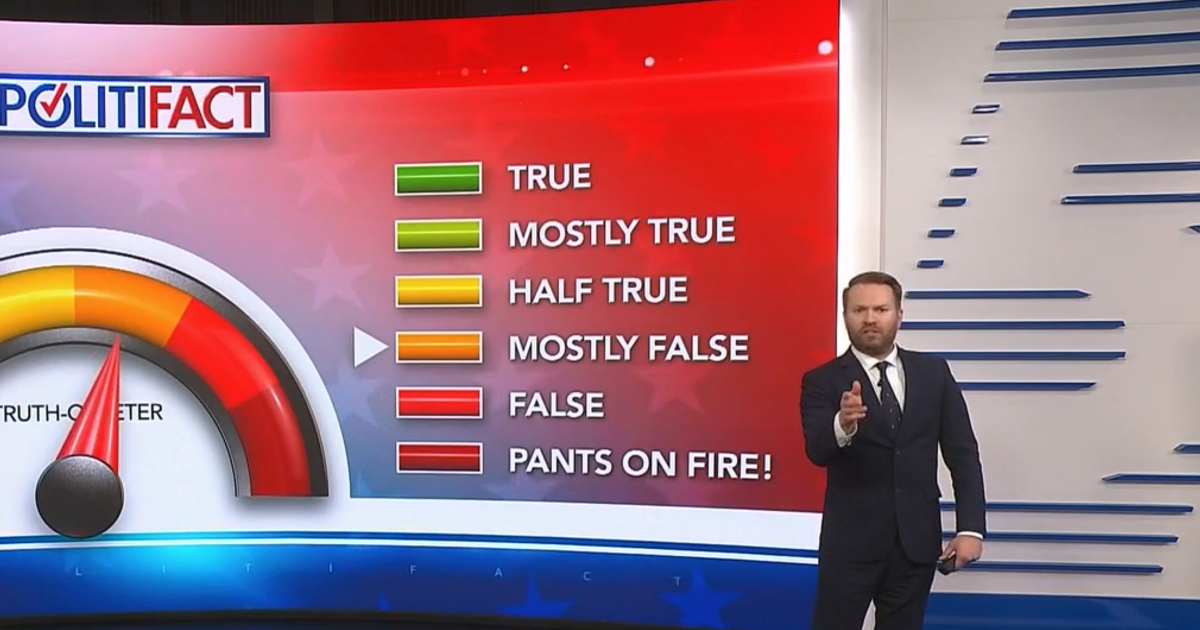
However, Vance’s claim significantly inflates the actual number of undocumented immigrants in the country. Current estimates from reputable sources place the figure between 12 million and 14 million as of 2023 – less than half the 30 million he cited.
Economic experts broadly agree that while increased immigration does contribute to housing demand, it is not a primary driver of the affordability crisis plaguing American homebuyers and renters. Vance’s second point about insufficient housing supply is more accurate, as housing economists consistently identify this as the fundamental issue.
The current housing shortage traces back to the 2008 recession, which triggered a dramatic decline in new construction. According to industry data, the United States faces a deficit of approximately 4.7 million homes, with building activity never recovering to pre-recession levels.
“During the pandemic we had supply chain shortages and high interest rates causing people to not sell their homes, which caused the market to stall, while demand for housing increased because of remote work,” explained Chloe East, an associate economics professor at the University of Colorado Boulder.
When pressed for evidence supporting Vance’s immigration claim, a White House spokesperson directed inquiries to several studies. However, some of this research is outdated, and multiple study authors have cautioned against applying their findings – which examined immigration’s effects in specific communities – to explain nationwide housing trends.
Timeline analysis further undermines the immigration-driven narrative. U.S. home prices and rents began their steep climb in 2020 and 2021 during the pandemic-induced demand for larger living spaces, predating the immigration increases observed in 2022 and 2023. This period also coincided with broader inflation pressures that prompted interest rate hikes, further complicating the homebuying landscape.
The Pew Research Center found approximately 800,000 more undocumented immigrants in the U.S. in 2022 compared to 2019, while the Center for Immigration Studies estimated an increase of 2.5 million between 2020 and 2023 – significant numbers, but far below Vance’s claim.
Housing economists also note that recent immigrants typically generate less housing demand per capita than established residents. “Newly arrived immigrants typically have low housing demand,” said Dean Baker, senior economist at the Center for Economic and Policy Research. “They often share housing with other immigrants or friends and relatives, making their average housing consumption far smaller than is typical.”
One frequently cited 2007 study found that an immigration inflow equal to 1% of a city’s population correlates with roughly a 1% increase in average rents and housing values. However, Albert Saiz, the MIT professor who authored the study, recently clarified that these effects were localized and should not be extrapolated to explain national price trends.
Jacob Vigdor, a University of Washington public policy professor whose research was cited by the White House, told PolitiFact his work found undocumented immigrants added “a little less than half of 1% to the cost of a home.” By contrast, recent mortgage rate increases have driven up mortgage payments by approximately 46%.
“When more people live in a community, there’s more demand for housing,” Vigdor explained. “The important consideration is the magnitude of the effect, and the contribution of unauthorized immigration to housing affordability problems is about 1/100 the magnitude of the impact of higher interest rates.”
Vance’s argument also overlooks immigration’s contribution to housing supply. Foreign-born workers constitute roughly 30% of the U.S. construction workforce, with many specializing in critical trades. Recent studies suggest that immigration restrictions could actually worsen the housing crisis by reducing the labor force needed to build new homes.
“Immigrants provide a disproportionate share of the workforce in the construction sector,” noted Exequial Hernandez, a Wharton School associate professor specializing in immigration studies, adding that many immigrants fill specialized roles that can create bottlenecks when workers are scarce.
While housing affordability remains a pressing concern for many Americans, the evidence indicates that immigration plays a complex and relatively minor role in the crisis compared to structural supply shortages and macroeconomic factors.
Fact Checker
Verify the accuracy of this article using The Disinformation Commission analysis and real-time sources.
