


Listen to the article
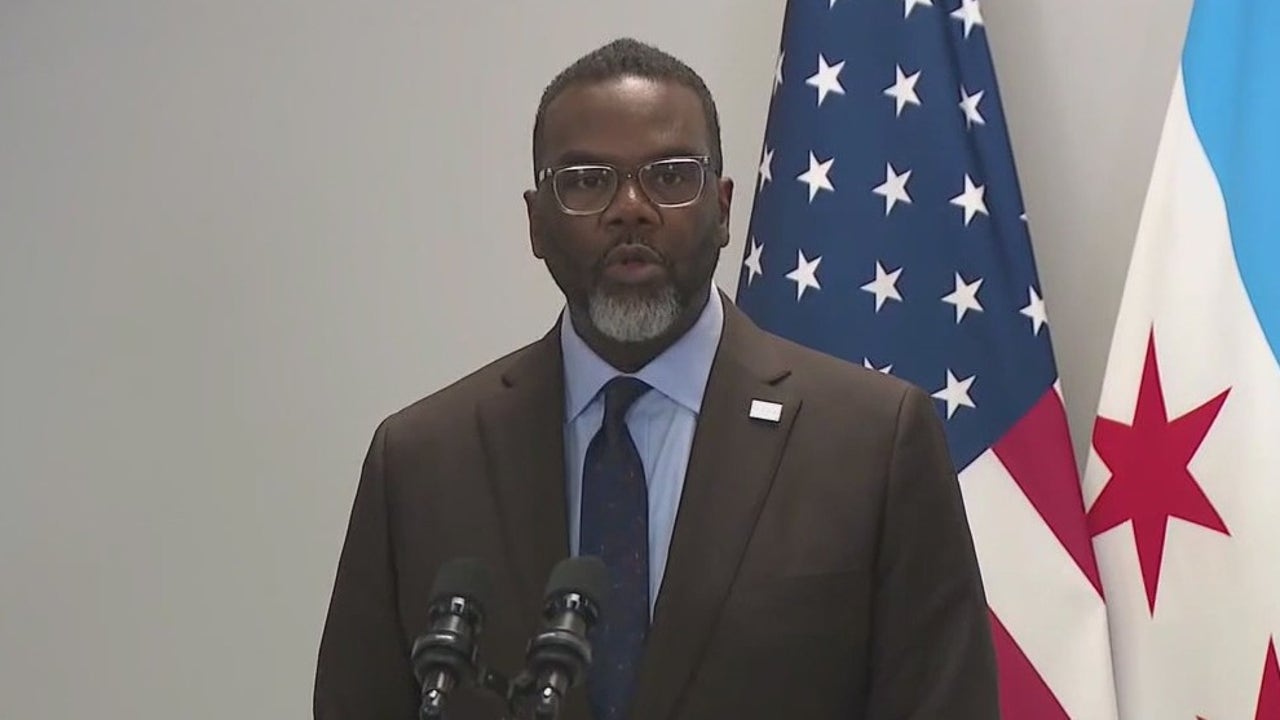
Mayor Brandon Johnson took to the podium Monday to counter what he described as misleading advertisements targeting his proposed 2026 budget, accusing critics of spreading misinformation about the city’s financial plans.
The mayor’s briefing came in response to a series of ads financed by the Chicagoland Chamber of Commerce and other business organizations that have criticized several tax increases included in Johnson’s budget proposal. The mayor defended his financial strategy, arguing that the budget addresses critical needs while ensuring fiscal responsibility.
“What we’re witnessing is a concerted effort to undermine necessary investments in our city’s future,” Johnson said during the press conference at City Hall. “The narrative being pushed by these advertisements distorts the reality of our budget proposal and its intended impact on Chicago residents.”
Johnson’s $16.8 billion budget plan includes several revenue-generating measures that have drawn criticism from the business community, including a proposed increase in the real estate transfer tax for properties valued over $1 million, modifications to the hotel tax structure, and adjustments to various business fees.
The Chamber of Commerce ads claim these tax increases will harm economic growth, drive businesses from the city, and ultimately place a heavier burden on Chicago residents. One advertisement suggests the mayor’s budget will cost the average Chicago family an additional $2,200 annually—a figure Johnson’s administration vehemently disputes.
“The numbers being thrown around in these advertisements are simply not accurate,” said Budget Director Annette Guzman, who joined Johnson at the briefing. “Our analysis shows the direct impact on the average Chicago household will be minimal, while generating necessary revenue to fund essential city services.”
The budget controversy highlights growing tensions between the Johnson administration and Chicago’s business community, which has expressed increasing concern about the city’s fiscal direction since Johnson took office last year. Several prominent business leaders have warned that the proposed tax increases could accelerate the departure of corporations and wealthy residents from Chicago, a city already facing population decline and financial challenges.
Jack Lavin, president and CEO of the Chicagoland Chamber of Commerce, defended the organization’s ad campaign in a statement following Johnson’s briefing.
“Our concern is straightforward—Chicago cannot tax its way to prosperity,” Lavin stated. “The proposed budget creates additional financial hurdles for businesses already operating in a challenging economic environment. If we want to attract investment and create jobs, we need to demonstrate fiscal discipline rather than continuously raising taxes.”
City Council members remain divided on the budget proposal. Alderman Gilbert Villegas from the 36th Ward expressed skepticism about the mayor’s approach.
“While I appreciate the administration’s goals, I’m concerned about the cumulative impact of these tax increases on our business climate,” Villegas said. “We need to find a balance that funds necessary services without undermining economic growth.”
However, Progressive Caucus chair Alderman Byron Sigcho-Lopez defended the mayor’s plan, arguing that it prioritizes equitable distribution of resources.
“For too long, Chicago’s working families have shouldered a disproportionate tax burden,” Sigcho-Lopez noted. “This budget asks those who have benefited most from our city to contribute more toward its future.”
Financial analysts point out that Chicago faces significant fiscal challenges, including pension obligations and infrastructure needs that necessitate additional revenue sources. The city’s bond ratings have improved slightly in recent years, but rating agencies continue to monitor Chicago’s fiscal management closely.
The budget debate comes as Chicago prepares for the 2026 fiscal year amid economic uncertainty and changing urban dynamics in the post-pandemic landscape. Many large cities are grappling with similar challenges as they attempt to balance service needs with sustainable revenue sources.
The City Council is expected to vote on the proposed budget next month, with several committee hearings scheduled before the final decision. Johnson expressed confidence that the council would ultimately support his vision for addressing Chicago’s financial needs.
“This budget reflects our values as a city committed to equity, opportunity, and responsible governance,” Johnson concluded. “I welcome robust debate, but that debate must be grounded in facts, not misleading claims designed to protect the status quo.”
Fact Checker
Verify the accuracy of this article using The Disinformation Commission analysis and real-time sources.

12 Comments
Interesting to see the mayor directly challenge the claims in the ad campaign. It’s important to have an open and fact-based discussion around budget proposals, even when there are differing views from the business community.
Agreed. The mayor seems to be making a reasonable case for the budget priorities, though I’m sure the business groups will continue to voice their concerns.
It’s admirable that the mayor is taking a proactive stance in defending the budget plan. Transparent communication is important, even when there are disagreements.
Agreed. Engaging directly with the public and business groups shows the mayor is willing to make his case and not just let the ad campaign go unanswered.
The real estate transfer tax increase on higher-value properties is a common revenue-raising tactic, though it can be controversial. Curious to see how this plays out with the local business community.
Yes, those types of targeted tax hikes often face pushback. It will be interesting to see if the mayor can build enough public support to offset the business opposition.
The hotel tax changes are another common revenue lever for cities. Curious to see how that specific proposal impacts the local tourism and hospitality industry.
Good point. The hotel tax is one area where the mayor will need to be sensitive to the potential impacts on a key local industry.
This seems like a classic clash between the city’s fiscal needs and the business community’s desire for lower taxes. The mayor will need to strike a careful balance to get the budget passed.
Absolutely. These budget battles can get quite heated, but hopefully they can find a compromise that works for the city and the business sector.
The business fees adjustments could be a sticking point, as companies often resist increases to their operating costs. The mayor will need to carefully justify those changes.
Definitely. The business community will likely scrutinize those fee changes closely, so the mayor will need to provide a clear rationale to gain their buy-in.