


Listen to the article
As the U.S. races to stay competitive in the global AI boom, data centers are multiplying at a record pace. But a new analysis from the Pew Research Center shows that behind the innovation is a massive, and growing, strain on the country’s energy and water systems. And for everyday Americans, that could mean higher bills and new long-term environmental challenges.
U.S. data centers consumed 183 terawatt-hours of electricity in 2024, approximately 4% of the nation’s total electricity usage, according to International Energy Agency (IEA) data cited in the Pew analysis. This consumption roughly equals Pakistan’s entire annual electricity use, highlighting the significant energy footprint of America’s digital infrastructure.
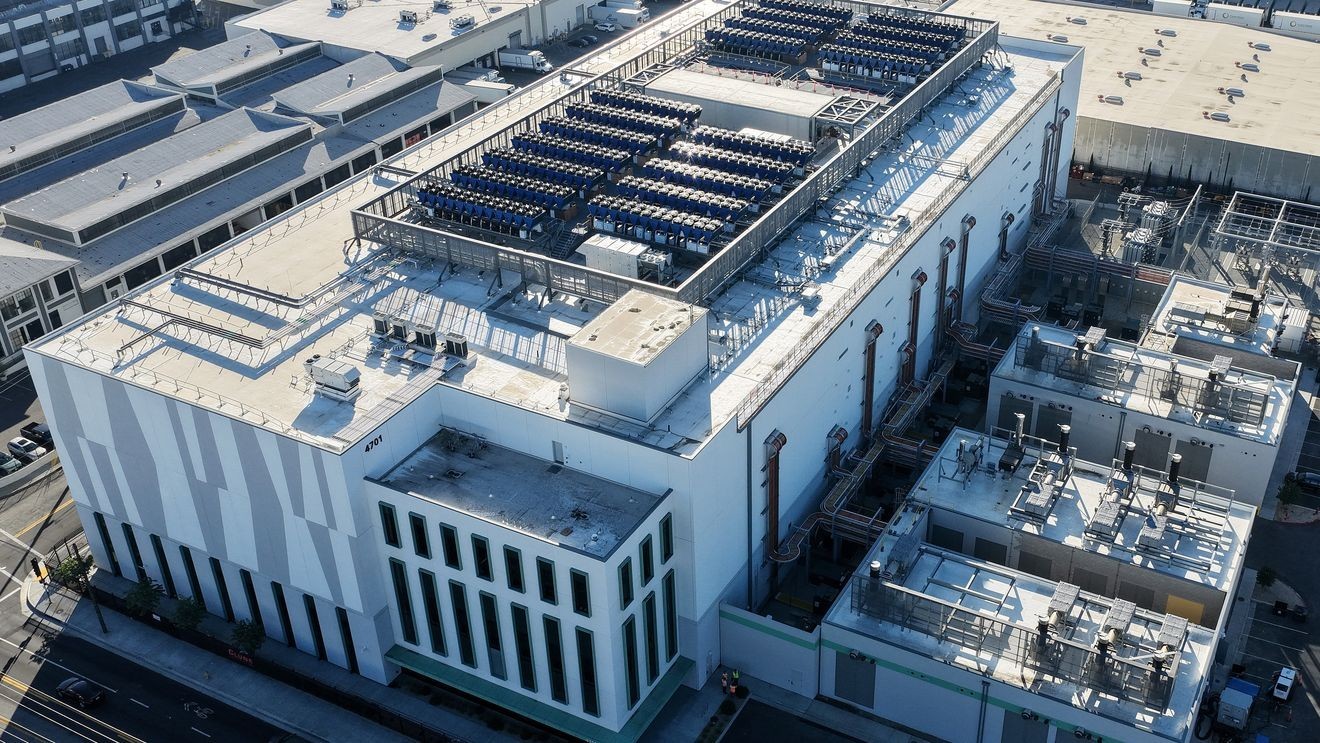
The primary driver behind this surge is the proliferation of hyperscale facilities specifically designed to power artificial intelligence models. These AI-optimized centers are energy behemoths, with a typical facility consuming electricity equivalent to 100,000 homes annually. More concerning, newer mega-facilities currently under construction could use up to 20 times more power once operational.
In regions like Northern Virginia, which has emerged as a critical data center hub, these facilities now account for more than a quarter of the state’s total electricity demand, according to findings from the Electric Power Research Institute. This concentration creates localized pressure on existing power infrastructure.
“What we’re seeing is unprecedented growth in a very specific type of energy demand,” explains Dr. Elena Ramirez, an energy economist at Georgetown University. “The grid wasn’t designed with AI in mind, and we’re adapting on the fly.”
The financial implications for consumers are becoming increasingly apparent. In the PJM electricity market, which serves 65 million people from Illinois to North Carolina, data center expansion has already added $9.3 billion in capacity costs for the 2025-26 period alone. This translates to significant increases in monthly utility bills – approximately $18 extra per month for households in western Maryland and $16 for Ohio residents.
Looking ahead, the outlook appears even more challenging. Research from Carnegie Mellon University suggests U.S. electricity bills could rise by an average of 8% by 2030 solely due to data centers and cryptocurrency mining operations. Regions with higher concentrations of these facilities could experience even steeper increases.
Water consumption represents another resource concern that has received less public attention. Federal figures highlighted in the Pew report indicate that U.S. data centers used 17 billion gallons of water in 2023, primarily for cooling energy-intensive AI chips at hyperscale sites. This requirement is projected to nearly double by 2028, with hyperscale centers alone potentially consuming between 16 and 33 billion gallons annually – comparable to the yearly water usage of a mid-sized American city.
“Water requirements for AI infrastructure are significant and growing at a time when many regions are already facing water scarcity challenges,” notes Dr. Michael Chen, environmental scientist at the University of California, San Diego. “The technology sector will increasingly compete with agriculture, manufacturing, and residential use for limited water resources.”
Despite these tangible impacts, public opinion remains divided on AI’s environmental consequences. Pew’s August 2024 survey reveals a fragmented perspective: 25% of Americans believe AI will harm the environment, 20% think it will help, 25% expect mixed results, and 30% remain uncertain.
This lack of consensus mirrors the complex reality facing the nation as it navigates an unprecedented technological transformation without a clear blueprint for managing its resource implications. Industry leaders point to efficiency improvements and commitments to renewable energy, while critics argue these measures aren’t scaling quickly enough to offset absolute growth in consumption.
As communities from Arizona to Virginia grapple with the local impacts of data center expansion, the question of how to balance technological advancement with resource sustainability remains unresolved. For now, the race to build America’s AI infrastructure continues, with the meter running on both electricity and water consumption.
Fact Checker
Verify the accuracy of this article using The Disinformation Commission analysis and real-time sources.

8 Comments
The scale of electricity usage by US data centers is staggering, equivalent to a country like Pakistan’s total annual consumption. This underscores the significant environmental impact as the AI industry grows. Careful planning and investment in clean energy infrastructure will be critical.
Absolutely. Policymakers and industry leaders need to prioritize sustainable data center development to minimize the strain on the power grid and local communities.
The concentration of AI data centers in regions like Northern Virginia is concerning, as it could lead to environmental degradation and higher utility bills for local residents. Proactive measures are needed to ensure the industry’s expansion aligns with the community’s long-term interests.
Well said. Engaging with affected communities and implementing responsible zoning policies will be crucial to balancing economic development and environmental stewardship.
Interesting report on the growing energy demands of AI data centers in the US. As the industry expands, it’s crucial to balance innovation with sustainable resource management to avoid straining utility grids and impacting consumers. Curious to see if emerging energy-efficient technologies can help mitigate the issue.
Good point. Improving energy efficiency and leveraging renewable energy sources for these data centers will be key to ensuring the AI industry’s expansion is environmentally responsible.
Hyperscale AI data centers are energy behemoths, with some consuming as much as 20 times more power than older facilities. This rapid growth poses real challenges around electricity supply and costs for consumers. Innovative cooling solutions and renewable energy integration will be essential.
This report highlights the need for a comprehensive, sustainable approach to powering the AI industry’s growth in the US. Policymakers and industry leaders must work together to find innovative solutions that reduce energy consumption, leverage renewable sources, and protect local communities.