


Listen to the article
AI Data Centers Strain U.S. Power Grid and Water Resources, Potentially Raising Consumer Bills
The unprecedented growth of data centers across the United States, fueled by the artificial intelligence boom, is placing significant pressure on the nation’s power grid and water resources, according to a new analysis from the Pew Research Center. This expansion could lead to higher utility bills for millions of Americans while creating long-term environmental challenges.
U.S. data centers consumed approximately 183 terawatt-hours of electricity in 2024, representing about 4% of the country’s total electricity usage, according to International Energy Agency (IEA) data reviewed by Pew. To put this in perspective, that’s roughly equivalent to Pakistan’s entire annual electricity consumption.
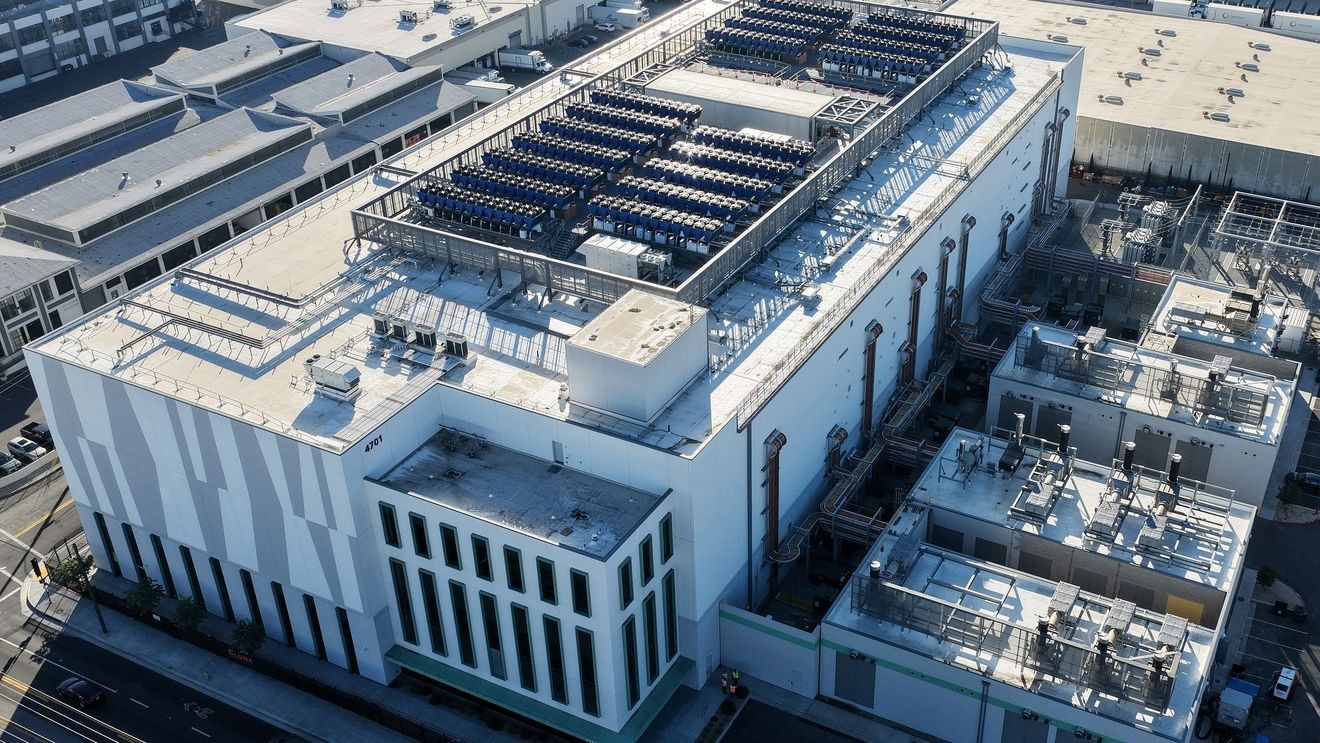
The primary driver behind this surge is the rapid construction of hyperscale facilities specifically designed to power AI models. These facilities are energy-intensive by design, with a typical AI-optimized hyperscale center consuming as much electricity as 100,000 homes annually. Even more concerning, next-generation mega-facilities currently under construction could use up to 20 times more electricity once operational.
In certain regions, the concentration of these facilities has already created significant demands on local power infrastructure. Northern Virginia, which has emerged as one of the country’s primary data center hubs, has seen these facilities consume more than 25% of the state’s total electricity supply, according to the Electric Power Research Institute.
The financial impact on consumers is becoming increasingly apparent. As utilities scramble to upgrade grid infrastructure to accommodate this growing demand, the associated costs are being passed on to ratepayers. In the PJM electricity market, which serves states from Illinois to North Carolina, data center growth has added $9.3 billion in capacity costs for 2025-26 alone.
This translates to tangible increases in monthly bills. Residents in western Maryland can expect to pay approximately $18 more per month, while Ohio households will see increases of around $16 monthly. Looking further ahead, Carnegie Mellon University projects that U.S. electricity bills could rise by 8% by 2030 solely due to data centers and cryptocurrency mining operations, with even steeper increases expected in regions with the highest concentration of these facilities.
While electricity consumption has received significant attention, water usage represents another critical but less discussed concern. Federal figures cited by Pew show that U.S. data centers used 17 billion gallons of water in 2023, primarily for cooling energy-intensive AI chips at hyperscale sites.
This water consumption is projected to increase dramatically. By 2028, hyperscale centers alone could be consuming between 16 and 33 billion gallons annually – roughly equivalent to the yearly water usage of a mid-sized American city. While cooling requirements vary based on facility design and seasonal factors, the overall trend indicates a rapid increase in water demand driven by AI expansion.
Public opinion on AI’s environmental impact remains divided. Pew’s August 2024 survey revealed that 25% of Americans believe AI will harm the environment, while 20% think it will be beneficial. Another 25% anticipate a mixed impact, and 30% remain uncertain. This split reflects the complex reality of a technological transformation occurring without a comprehensive long-term sustainability plan.
The situation highlights a challenging tension in America’s tech future. While AI development is considered crucial for maintaining global competitiveness and driving innovation, the physical infrastructure supporting this technology boom is creating significant resource challenges that could affect communities nationwide.
As data centers continue to proliferate across the country, policymakers, utility companies, and tech firms face mounting pressure to develop more sustainable approaches to powering the AI revolution without overburdening local resources or passing excessive costs onto consumers.
Fact Checker
Verify the accuracy of this article using The Disinformation Commission analysis and real-time sources.

6 Comments
The resource demands of AI data centers are quite concerning. While the technology brings benefits, the strain on our power grid and water resources is something that needs to be carefully managed. I wonder what steps can be taken to make these facilities more energy and water efficient.
Interesting to see the scale of electricity consumption by these AI data centers. 4% of total US electricity usage is a significant amount. I hope there are plans to transition them to renewable energy sources to reduce the environmental impact.
Agreed, renewable energy would be a great way to power these energy-intensive facilities and reduce the strain on traditional grid infrastructure.
The data on AI data center electricity usage is eye-opening. Clearly this is an area that requires close attention and a proactive approach to ensure reliable, affordable, and eco-friendly energy and water supplies. Innovative approaches will be key.
Hyperscale AI data centers consuming as much power as 100,000 homes is staggering. This rapid growth in demand highlights the need for careful planning and investment in our nation’s energy and water infrastructure to keep up with these technological advancements.
While the AI boom brings many benefits, the resource challenges posed by these data centers are quite concerning. I hope policymakers and industry can work together to find sustainable solutions that balance innovation and environmental impact.