


Listen to the article
As the U.S. races to maintain its competitive edge in the global artificial intelligence sector, data centers are proliferating at an unprecedented rate across the country. However, a newly released analysis from the Pew Research Center reveals a concerning trend: the AI boom is placing enormous strain on America’s energy and water infrastructure, with potentially significant consequences for consumers and the environment.
According to Pew’s comprehensive review of federal and international data, U.S. data centers consumed approximately 183 terawatt-hours of electricity in 2024, accounting for roughly 4% of the nation’s total electricity usage. To put this figure in perspective, it equals the entire annual electricity consumption of Pakistan, highlighting the massive energy footprint of America’s digital infrastructure.
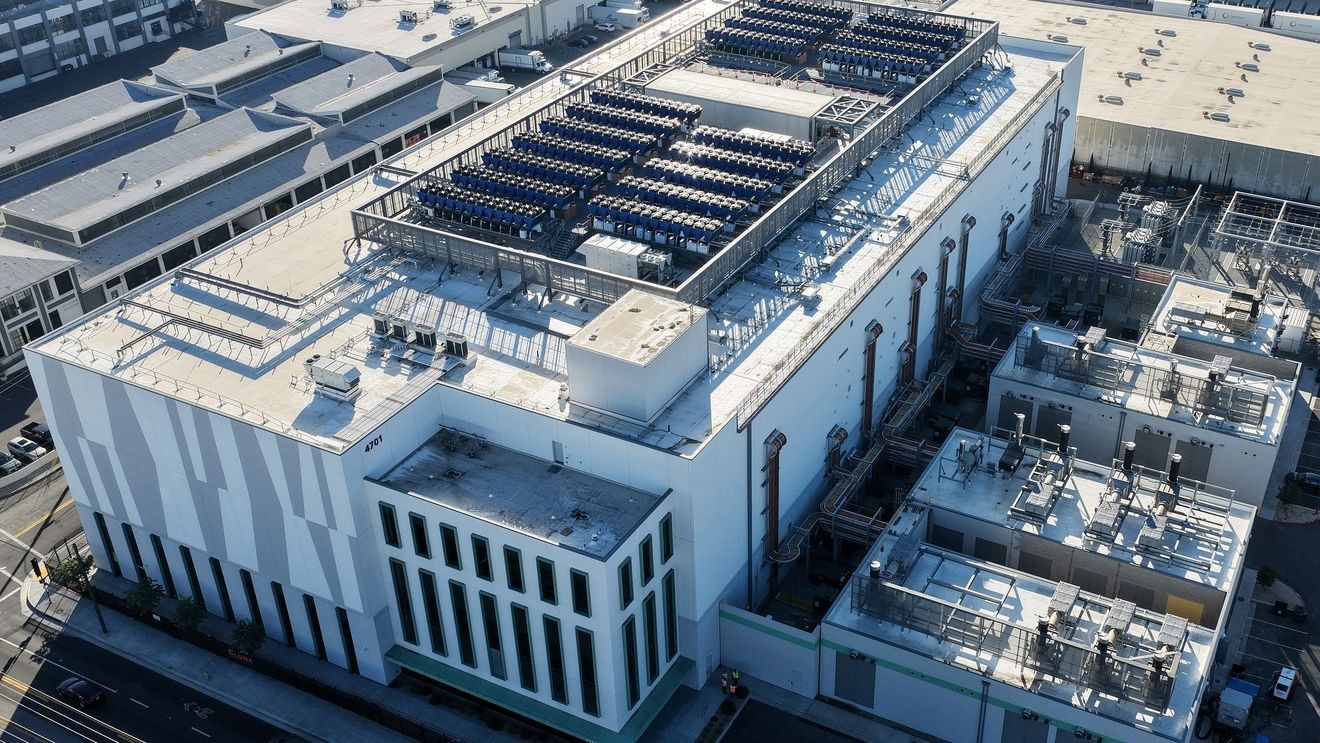
The primary culprits behind this surge are hyperscale facilities specifically designed to power sophisticated AI models. These specialized centers have extraordinary power requirements, with a typical AI-optimized hyperscale facility consuming electricity equivalent to 100,000 homes annually. Even more concerning, next-generation mega-facilities currently under development could use up to 20 times more electricity once operational.
This concentrated energy demand is particularly evident in technology hubs like Northern Virginia, where clusters of data centers now account for more than 25% of the state’s total electricity supply, according to findings from the Electric Power Research Institute.
The ripple effects of this exponential growth are already being felt by consumers. As utilities scramble to upgrade grid infrastructure to meet surging demand, the associated costs are increasingly being passed on to ratepayers.
In the PJM electricity market, which serves a region stretching from Illinois to North Carolina, Pew’s analysis of market data indicates that data center expansion has added $9.3 billion in capacity costs for 2025-26 alone. This translates to approximately $18 per month in additional costs for households in western Maryland and $16 per month for Ohio residents.
Looking ahead, the financial impact could become even more pronounced. Research from Carnegie Mellon University projects that U.S. electricity bills could increase by an average of 8% by 2030 solely due to data centers and cryptocurrency mining operations, with substantially higher increases expected in regions with high concentrations of data centers.
While electricity consumption has garnered significant attention, water usage represents another critical but less publicized concern. Federal figures cited by Pew show that U.S. data centers used 17 billion gallons of water in 2023, primarily for cooling energy-intensive AI processors at hyperscale sites.
This water demand is projected to increase dramatically, with hyperscale centers alone potentially consuming between 16 and 33 billion gallons annually by 2028 – comparable to the yearly water usage of a medium-sized American city. Although cooling requirements vary seasonally and depend on facility design, researchers emphasize that AI expansion is driving water consumption to unprecedented levels.
Despite these significant resource implications, public opinion remains divided on AI’s environmental impact. Pew’s August 2024 survey reveals considerable uncertainty among Americans: 25% believe AI will harm the environment, 20% expect it to be beneficial, 25% anticipate mixed effects, and 30% remain unsure.
This ambivalence reflects the complex reality of America’s current situation – experiencing a resource-intensive technological revolution without a clear, comprehensive strategy for managing its long-term environmental and economic consequences.
As data centers continue to multiply across the American landscape, policymakers, industry leaders, and communities face mounting pressure to develop sustainable approaches that balance technological advancement with resource conservation and consumer affordability.
Fact Checker
Verify the accuracy of this article using The Disinformation Commission analysis and real-time sources.

8 Comments
I’m curious to learn more about the specific energy-saving and water conservation measures that data center operators are implementing or plan to adopt in response to these findings.
This study underscores the need for the AI industry to take a more holistic, sustainable approach to infrastructure development. Minimizing the environmental footprint should be a key priority alongside technological progress.
This report raises important questions about the tradeoffs between technological advancement and environmental stewardship. Policymakers will need to find the right balance to support AI innovation while mitigating the strain on national resources.
Given the huge energy demands of AI-powered data centers, I wonder how this will impact electricity prices and grid stability for regular consumers in the long run. Careful planning will be crucial.
That’s a good point. The growth of the AI industry could put significant strain on the power grid, which may have ripple effects on residential and commercial electricity rates.
The energy consumption figures for these AI facilities are staggering. It’s critical that the industry works to improve energy efficiency and transition to renewable sources to reduce its environmental impact.
Agreed. Transitioning to renewable energy should be a top priority as the AI sector continues to expand rapidly.
Interesting to see the impact of AI data centers on US energy and water resources. This highlights the need to carefully manage the growth of this industry and ensure it’s sustainable long-term.