


Listen to the article
The rapid expansion of data centers across the United States to support artificial intelligence development is creating unprecedented demands on the nation’s energy and water infrastructure, potentially leading to higher utility bills for consumers and new environmental challenges, according to a comprehensive analysis from the Pew Research Center.
American data centers consumed 183 terawatt-hours of electricity in 2024, representing approximately 4% of total national electricity usage, the International Energy Agency (IEA) reports. To put this in perspective, this consumption equals the entire annual electricity usage of Pakistan.
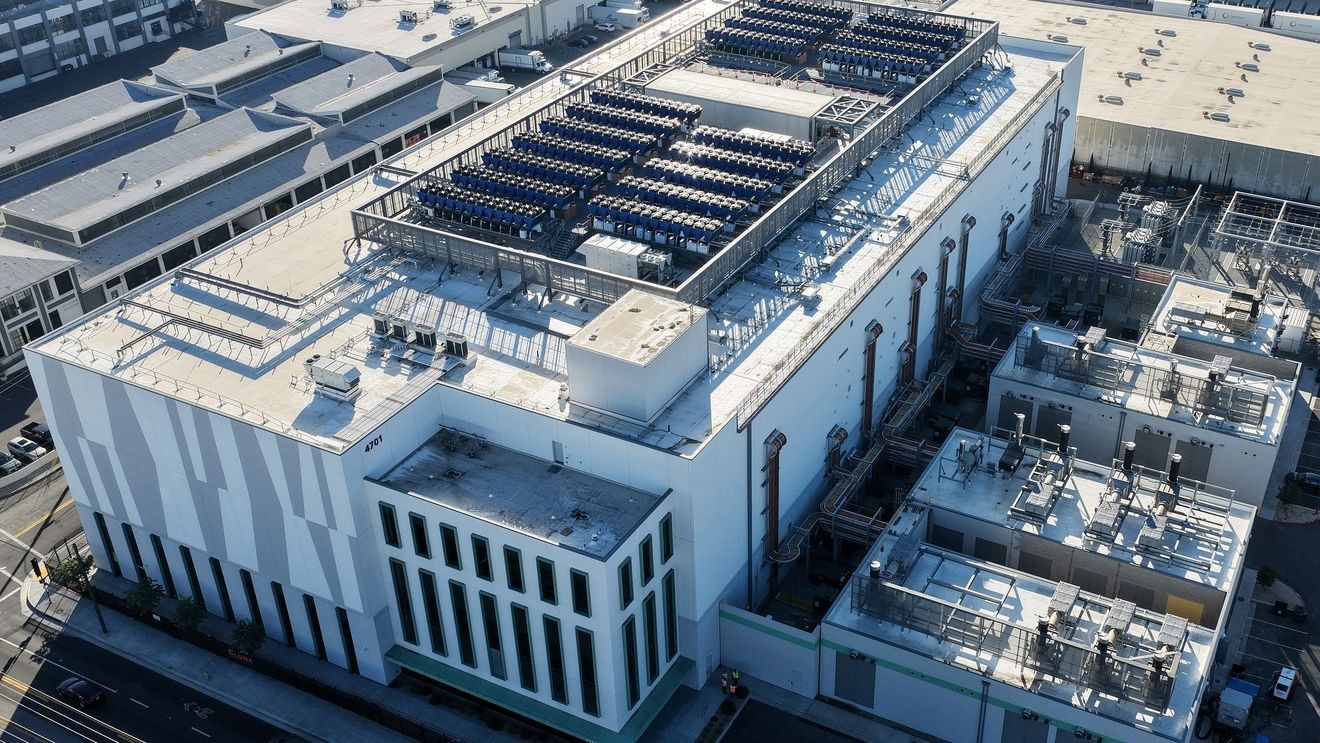
The primary drivers behind this surge are hyperscale facilities specifically designed to power AI models. A typical AI-optimized hyperscale center consumes electricity equivalent to 100,000 homes annually, while newer mega-facilities currently under development could consume up to 20 times more once operational.
Northern Virginia, which has emerged as a critical data center hub, exemplifies the concentration of this power demand. The Electric Power Research Institute notes that clusters of these facilities now account for more than 25% of Virginia’s total electricity supply.
This explosive growth is already affecting consumer electricity bills. In the PJM electricity market, which serves states from Illinois to North Carolina, data center expansion has added $9.3 billion in capacity costs for 2025-26 alone. Pew’s analysis of PJM data indicates this translates to approximately $18 more per month for households in western Maryland and $16 per month for Ohio residents.
The financial impact is expected to grow. Carnegie Mellon University researchers project that U.S. electricity bills could increase by an average of 8% by 2030 solely due to data centers and cryptocurrency mining operations, with significantly higher increases in regions with dense data center development.
Water usage presents another significant but less publicized challenge. Federal figures cited by Pew show that U.S. data centers consumed 17 billion gallons of water in 2023, primarily for cooling energy-intensive AI processing chips at hyperscale sites. Projections indicate that by 2028, hyperscale centers alone could require between 16 and 33 billion gallons annually – roughly equivalent to the yearly water consumption of a mid-sized American city.
The environmental footprint of these facilities varies by season and design specifications, but researchers emphasize that the overall trend is unmistakable: as AI development accelerates, water demand will continue to climb rapidly.
Public opinion regarding AI’s environmental impact remains divided, according to Pew’s August 2024 survey. Twenty-five percent of Americans believe AI will harm the environment, while 20% expect it will have positive environmental effects. Another 25% anticipate a mixed impact, and 30% remain uncertain about the outcome.
This lack of consensus reflects the broader reality facing the nation: the United States is experiencing a resource-intensive technological revolution without a clear long-term strategy for managing its environmental and economic consequences.
The situation highlights the complex trade-offs between technological advancement and resource sustainability. While AI promises significant economic and societal benefits, its physical infrastructure requirements raise questions about how utilities, regulators, and technology companies will balance innovation with resource management.
As data centers continue to multiply across the American landscape, policymakers face growing pressure to develop frameworks that can accommodate technological growth while protecting consumers from disproportionate cost increases and safeguarding environmental resources. Without such planning, the hidden costs of the AI boom may increasingly fall on average citizens through their utility bills and local environmental conditions.
Fact Checker
Verify the accuracy of this article using The Disinformation Commission analysis and real-time sources.

12 Comments
The data points in this report really drive home the scale of the AI energy footprint. Proactive measures to improve efficiency and transition to renewable sources are clearly needed.
Interesting to see the Pew Research analysis quantifying the resource strains of AI data centers. The concentration of these facilities in places like Northern Virginia is clearly causing major local challenges.
This is an eye-opening look at the resource implications of the AI boom. The potential for higher utility costs and environmental impacts is concerning and requires urgent attention.
Absolutely. AI has immense potential, but safeguarding critical infrastructure should be a top priority as this industry continues to grow rapidly.
The details in this report highlight just how resource-intensive AI development has become. Thoughtful planning and innovative solutions will be essential to ensuring a sustainable path forward.
Fascinating insights into the growing energy demands of AI data centers. It’s critical that we ensure sustainable infrastructure and minimize environmental impact as this industry continues to expand.
Agreed. Responsible development and careful planning will be key to meeting these surging power needs without overburdening utility grids and consumers.
This is an important issue that deserves more attention. The environmental and economic impacts of these data centers need to be carefully weighed against the benefits of AI development. Holistic planning is essential.
The numbers here are staggering – 4% of total US electricity usage for data centers alone. This highlights the massive scale and resource intensity of the AI industry. Policymakers will need to address this carefully.
Absolutely. Innovative solutions like renewable energy, improved efficiency, and smart grid management will be crucial to keeping up with the insatiable power demands of AI infrastructure.
While the growth of AI is exciting, the resource implications are quite sobering. Balancing technological progress with sustainable infrastructure will be a key challenge going forward.
Agreed. Policymakers, industry leaders, and the public will all need to work together to find the right solutions and mitigate the risks.