


Listen to the article
Following the U.S. withdrawal from Afghanistan in August 2021, questions remain about the evacuation and resettlement of Afghan allies who supported American forces during the 20-year conflict. The chaotic final days of the U.S. presence in Afghanistan left many wondering about the fate of those who had worked alongside American personnel.
When Taliban forces rapidly advanced across Afghanistan, culminating in their takeover of Kabul on August 15, 2021, the Biden administration faced enormous pressure to evacuate not only American citizens but thousands of Afghan nationals who had assisted U.S. operations. Many of these individuals had served as interpreters, security personnel, embassy staff, and in other support roles that put them at risk of Taliban retaliation.
The U.S. military coordinated what became one of the largest airlifts in history, evacuating more than 124,000 people from Kabul’s Hamid Karzai International Airport in just 17 days. Among those evacuated were approximately 76,000 Afghan nationals who were brought to the United States, according to data from the Department of Homeland Security.
These evacuees entered through a process known as “humanitarian parole,” which allowed them temporary permission to stay in the United States for two years. This emergency measure was implemented because the traditional Special Immigrant Visa (SIV) program—designed specifically for Afghan allies—had significant backlogs and processing delays.
The SIV program, established in 2009, provides a pathway to permanent residency for Afghans who worked with the U.S. government for at least one year and faced threats as a result of their employment. However, the program has been plagued by bureaucratic hurdles, with some applicants waiting years for approval.
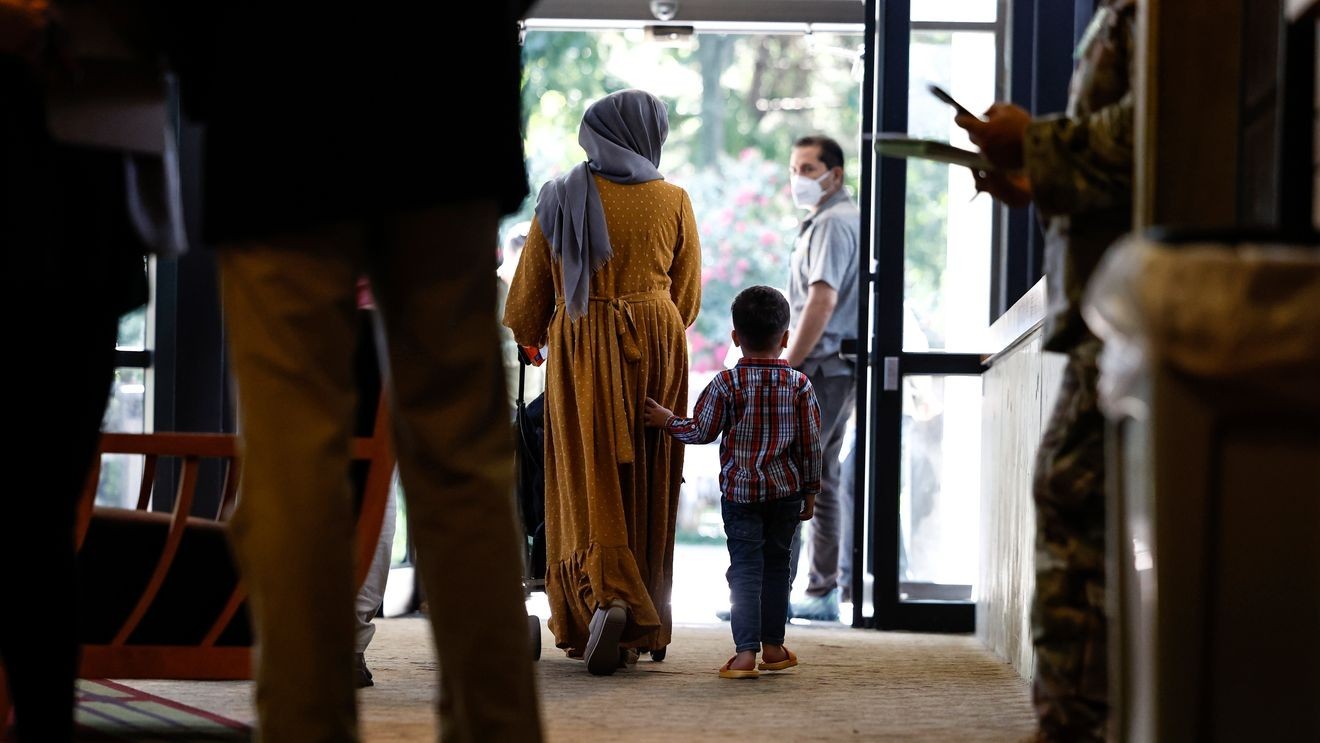
To address the immediate needs of evacuees, the U.S. government established “Operation Allies Welcome,” coordinating efforts across multiple federal agencies. Evacuees were initially processed at military bases in the United States, where they received medical screenings, work authorization, and assistance with resettlement.
Nonprofit organizations have played a critical role in supporting these efforts. Groups like the International Rescue Committee, Lutheran Immigration and Refugee Service, and the Afghan-American Coalition have provided housing assistance, job placement services, and cultural orientation for newly arrived Afghans.
Despite these efforts, significant challenges remain. Many Afghans evacuated to the United States still face uncertain legal status. The Afghan Adjustment Act, legislation that would provide a path to permanent residency for evacuees, has been introduced in Congress but has yet to be passed.
Additionally, thousands of Afghan allies and their families who were eligible for evacuation were unable to leave Afghanistan during the chaotic final days of the withdrawal. Estimates suggest that as many as 150,000 Afghans who worked with American forces or organizations remain in Afghanistan, many in hiding and at risk of persecution.
Private efforts to evacuate additional Afghans have continued through organizations like No One Left Behind and the Truman Center for National Policy, though these face significant obstacles including closed borders and Taliban restrictions.
The resettlement process has varied across different U.S. communities. Cities with established Afghan populations, such as Sacramento, California and Northern Virginia, have become hubs for new arrivals. However, housing shortages, employment challenges, and access to healthcare remain persistent issues for many Afghan families attempting to establish new lives in America.
State Department officials maintain that supporting Afghan allies remains a priority, with continued processing of SIV applications for those who remain in Afghanistan or who have fled to third countries. However, advocacy groups argue that the pace of processing remains too slow given the urgent security threats many face.
Two years after the withdrawal, the situation highlights the complex aftermath of America’s longest war and the ongoing humanitarian responsibilities that extend beyond military operations. For many Afghan evacuees now in the United States, the challenge has shifted from immediate safety concerns to building sustainable lives and navigating a complex immigration system that was not designed to accommodate such a large-scale emergency evacuation.
As international attention has shifted to other global crises, advocates continue to push for more comprehensive solutions for Afghan allies, emphasizing that America’s moral obligation to those who served alongside U.S. forces extends beyond the formal end of the conflict.
Fact Checker
Verify the accuracy of this article using The Disinformation Commission analysis and real-time sources.

10 Comments
This is a complex and sensitive issue. I’m curious to learn more about the challenges the US government faced in evacuating and resettling Afghan allies who supported American forces. It must have been a massive logistical and humanitarian undertaking.
Yes, the scale and speed of the evacuation was unprecedented. I imagine there were many difficult decisions and tradeoffs involved to get as many people out as possible in a short time.
This is a sobering reminder of the human cost of the war in Afghanistan. I hope the resettled Afghan evacuees are able to rebuild their lives in the US, despite the trauma they’ve endured.
Yes, the uncertainty and danger they faced must have been immense. Providing them a pathway to safety and a new life in the US is an important moral obligation.
I appreciate the efforts made by the US to evacuate and resettle Afghan allies. Given the chaotic withdrawal, it’s understandable there were difficulties, but it’s good they were able to get tens of thousands of people to safety.
Absolutely, providing safe passage and resettlement for these individuals who risked their lives to support American forces was the right thing to do. It’s encouraging to see the scale of the evacuation effort.
The massive airlift from Kabul was an unprecedented logistical challenge. I’m curious to learn more about the specific planning and coordination that went into evacuating over 124,000 people in just 17 days.
Given the chaotic situation on the ground, I imagine the military and government officials had to make very difficult decisions about prioritizing evacuations. It must have been an incredibly stressful and high-pressure situation.
This highlights the ongoing plight of Afghan refugees who remain in the country or are struggling to rebuild their lives after fleeing. Ensuring the successful resettlement of evacuees in the US will be critical in the months and years ahead.
Absolutely, the work is far from over. Providing adequate support, resources, and pathways to integration for these refugees will be essential as they adapt to their new lives.