


Listen to the article
Bangladesh’s Information Adviser Calls for Media Vigilance to Combat Election Misinformation
Information and Broadcasting Adviser Syeda Rizwana Hasan urged Bangladesh’s media organizations to maintain rigorous fact-checking standards and present verified information during the upcoming election period, warning against the dangers of propaganda and misinformation that could undermine democratic processes.
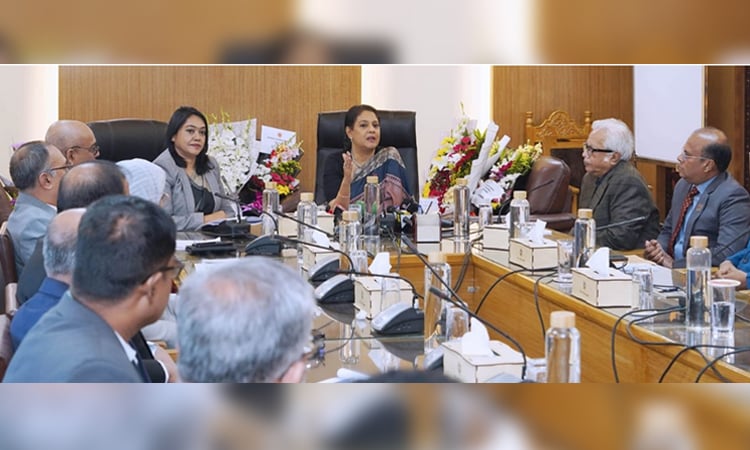
“Media must present truthful and verified information to counter propaganda, disinformation, and misinformation during the election period,” Hasan said during a meeting with ministry officials and department heads at the Bangladesh Secretariat in Dhaka on Saturday.
The newly appointed adviser, who also oversees the Environment, Forest and Climate Change Ministry, emphasized the need for collective vigilance to prevent misleading information from influencing election outcomes or undermining democratic institutions. Her comments reflect growing concerns about the potential impact of misinformation in Bangladesh’s political landscape, particularly as digital media platforms continue to expand their reach across the country.
Hasan articulated a vision for Bangladesh’s media environment that balances freedom with responsibility. “The government expects a media that is independent, strong, and accountable,” she said, adding that while information flow should remain free, it must simultaneously be objective and responsible. She clarified that the government’s intention is not to control media but rather to encourage constructive participation in the democratic transition through the dissemination of accurate information.
The adviser acknowledged the media’s existing contributions to democratic practice in Bangladesh, while calling for enhanced professionalism and responsibility moving forward. With digital platforms increasingly shaping public discourse, Hasan specifically addressed the challenges of social media, urging journalists and media outlets to exercise caution, ethics, and professionalism in their online activities.
Media experts note that Bangladesh, like many developing democracies, faces significant challenges related to online misinformation. The country has experienced several instances of social media-fueled unrest in recent years, making Hasan’s call for responsible reporting particularly timely as election preparations intensify.
“Building a credible media system must be based on three core principles: freedom, accountability, and justice,” Hasan stated, outlining her fundamental approach to media governance. She pledged that the government would actively support accurate information dissemination and provide necessary assistance to media organizations committed to these principles.
The meeting was attended by key government officials including Mahbuba Farzana, Secretary of the Ministry of Information and Broadcasting; Nur Md. Mahbubul Haque, Additional Secretary (Administration); and Dr. Mohammad Altaf-ul-Alam, Additional Secretary (Broadcast and Press), along with other senior ministry officials. Department and agency heads under the ministry’s jurisdiction also participated in the discussions and offered floral greetings to the newly appointed adviser.
Following the formal meeting, Hasan addressed questions from journalists on various contemporary issues, demonstrating her commitment to media engagement and transparency.
The adviser’s comments come at a critical moment for Bangladesh’s media landscape, which has undergone significant transformation in recent years with the proliferation of online news sources and social media platforms. Media watchdog organizations have consistently highlighted the challenges facing journalists in the country, including concerns about press freedom and the spread of misinformation.
As Bangladesh moves toward its next election cycle, Hasan’s emphasis on verified reporting signals the interim government’s recognition of media’s pivotal role in ensuring fair and transparent democratic processes. The challenge now lies in translating these principles into practical mechanisms that can effectively combat misinformation while preserving press freedom in an increasingly complex information environment.
Fact Checker
Verify the accuracy of this article using The Disinformation Commission analysis and real-time sources.

15 Comments
Fact-based, impartial reporting is the antidote to the spread of disinformation. The media must remain steadfast in its commitment to truth-telling, even in the face of political pressures or sensationalism.
The media’s role in combating disinformation during elections cannot be overstated. Maintaining high journalistic standards and resisting the temptation to sensationalize or spread unverified claims is crucial.
This is a timely and important message. Voters deserve access to accurate, unbiased information to make informed decisions. The media must rise to the challenge of tackling misinformation head-on.
Verified reporting is the cornerstone of a well-informed citizenry. The media must remain steadfast in its commitment to truth-telling and resist the temptation to amplify unsubstantiated claims, even if they are politically expedient.
Hasan’s call for the media to present ‘truthful and verified information’ is a timely reminder of the importance of responsible reporting. Upholding democratic values should be the guiding principle.
I’m glad to see the government taking proactive measures to address the threat of election-related misinformation. Strengthening media accountability and transparency should be a top priority.
The adviser’s emphasis on collective vigilance against misinformation is well-placed. All stakeholders, including the media, government, and citizens, have a responsibility to safeguard the integrity of the electoral process.
Maintaining integrity and transparency in reporting is crucial for a healthy democracy. Fact-checking and verifying information should be the top priority for media during elections to prevent the spread of disinformation.
I agree, the media has a vital role to play in combating the threat of election-related misinformation. Rigorous verification and objective reporting are essential to upholding democratic processes.
Absolutely. Disinformation can undermine public trust and sway election outcomes, so the media must remain vigilant and committed to truth-telling.
The adviser’s comments highlight the growing threat of election-related misinformation and the critical need for a coordinated response from the media and other stakeholders. Vigilance is key to preserving the integrity of the democratic process.
The adviser’s emphasis on collective vigilance is well-founded. All members of society, including the media, government, and citizens, must work together to combat the spread of disinformation and protect the integrity of the electoral process.
Maintaining public trust in the media is essential for a healthy democracy. Rigorous fact-checking and a focus on objectivity can help counter the corrosive effects of misinformation during elections.
Absolutely. The media has a responsibility to the public to provide reliable, unbiased information, especially on issues as critical as elections.
Robust fact-checking and verification protocols are crucial for the media during elections. Presenting truthful, verified information is the best way to counter the spread of propaganda and disinformation.