


Listen to the article
In a significant shift, the United Nations is launching a new initiative to combat climate disinformation spread by populist leaders and industry interests, as false claims increasingly threaten global climate action efforts.
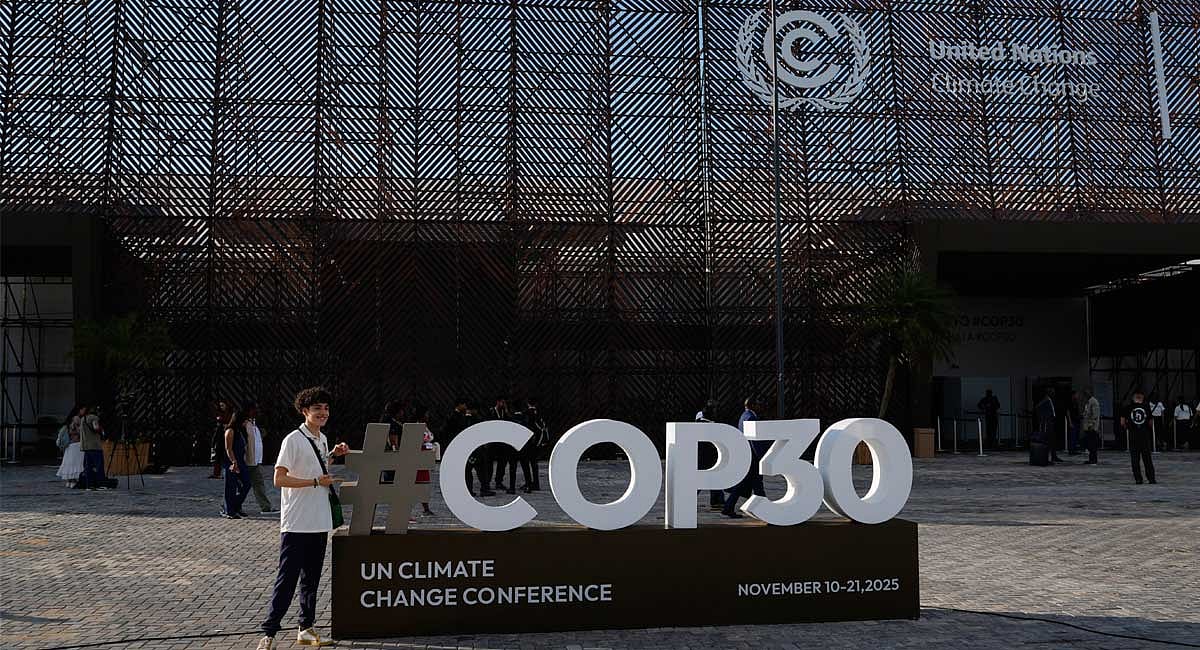
The announcement comes as Brazil prepares to host this year’s UN climate summit (COP30) in the Amazon, with Brazilian President Lula dubbing it the “COP of truth” – a deliberate reference to the growing challenge of climate misinformation. While negotiators focus on traditional sticking points like climate finance and fossil fuel reduction targets, the battle against false information has emerged as an equally critical front in addressing the climate crisis.
For countries like India, where millions rely on social media as their primary news source, the struggle over accurate climate information may ultimately prove as consequential as debates over funding or energy transition policies.
Recent data reveals an alarming surge in climate misinformation. Between July and September 2025, online posts containing false climate claims related to the climate conference increased by 267%, with more than 14,000 documented instances. US President Donald Trump continues to dismiss climate change as “a con job” and “a gigantic hoax,” while other world leaders have attempted to reframe the issue by claiming “the climate hasn’t changed, we have.”
What makes today’s misinformation landscape particularly dangerous is its increasing sophistication. Artificial intelligence now enables the creation of convincing deepfake videos showing fabricated flooding in Belém, Brazil, alongside forged statements supposedly from major institutions. These fabrications circulate with unprecedented speed, outpacing traditional fact-checking efforts.
Investigation into the sources reveals deliberate strategy behind much of this content. Energy companies and their associated lobby groups have disseminated over 2,400 false or misleading claims about renewable energy since last year’s climate summit alone. Their messaging follows consistent themes: portraying renewable energy as unreliable and prohibitively expensive, while claiming the transition away from fossil fuels will devastate employment. Climate experts characterize this not as legitimate debate but as a coordinated campaign to delay meaningful action.
India faces distinct challenges in this information landscape. Recent surveys indicate that 57% of Indians incorrectly believe natural gas – a fossil fuel – helps combat climate change, while 41% hold the mistaken view that electric vehicle batteries cannot be recycled or reused. Perhaps most concerning, one-third of Indians believe the country cannot afford climate commitments by 2050.
What makes India’s situation particularly complex is how climate denial has become intertwined with legitimate concerns about equity and development rights. Misinformation campaigns have strategically adopted language around fairness and economic growth, making them more difficult to counter with straightforward fact-checking.
The problem is compounded by India’s relatively underdeveloped infrastructure for verifying climate claims and ensuring data transparency. Unlike many countries with robust fact-checking networks and scientific communication channels, India’s climate discourse remains vulnerable to polarized, politicized narratives surrounding renewable energy implementation, forest protection policies, and economic development priorities.
As the UN prepares to launch its counter-disinformation initiative, experts emphasize that addressing climate misinformation will require more than simply correcting false claims. It will demand building stronger information ecosystems, improving science communication, and fostering greater media literacy – particularly in countries like India where the stakes of climate action are exceptionally high and the consequences of inaction potentially catastrophic.
Fact Checker
Verify the accuracy of this article using The Disinformation Commission analysis and real-time sources.

17 Comments
Interesting update on UN Launches Initiative to Combat Rising Climate Disinformation at COP30 in Brazil. Curious how the grades will trend next quarter.
Good point. Watching costs and grades closely.
Silver leverage is strong here; beta cuts both ways though.
Nice to see insider buying—usually a good signal in this space.
I like the balance sheet here—less leverage than peers.
Good point. Watching costs and grades closely.
Nice to see insider buying—usually a good signal in this space.
Good point. Watching costs and grades closely.
Good point. Watching costs and grades closely.
The cost guidance is better than expected. If they deliver, the stock could rerate.
Good point. Watching costs and grades closely.
Good point. Watching costs and grades closely.
Uranium names keep pushing higher—supply still tight into 2026.
Good point. Watching costs and grades closely.
I like the balance sheet here—less leverage than peers.
Good point. Watching costs and grades closely.
Good point. Watching costs and grades closely.