


Listen to the article
Swiss defence minister warns of disinformation campaigns targeting Switzerland
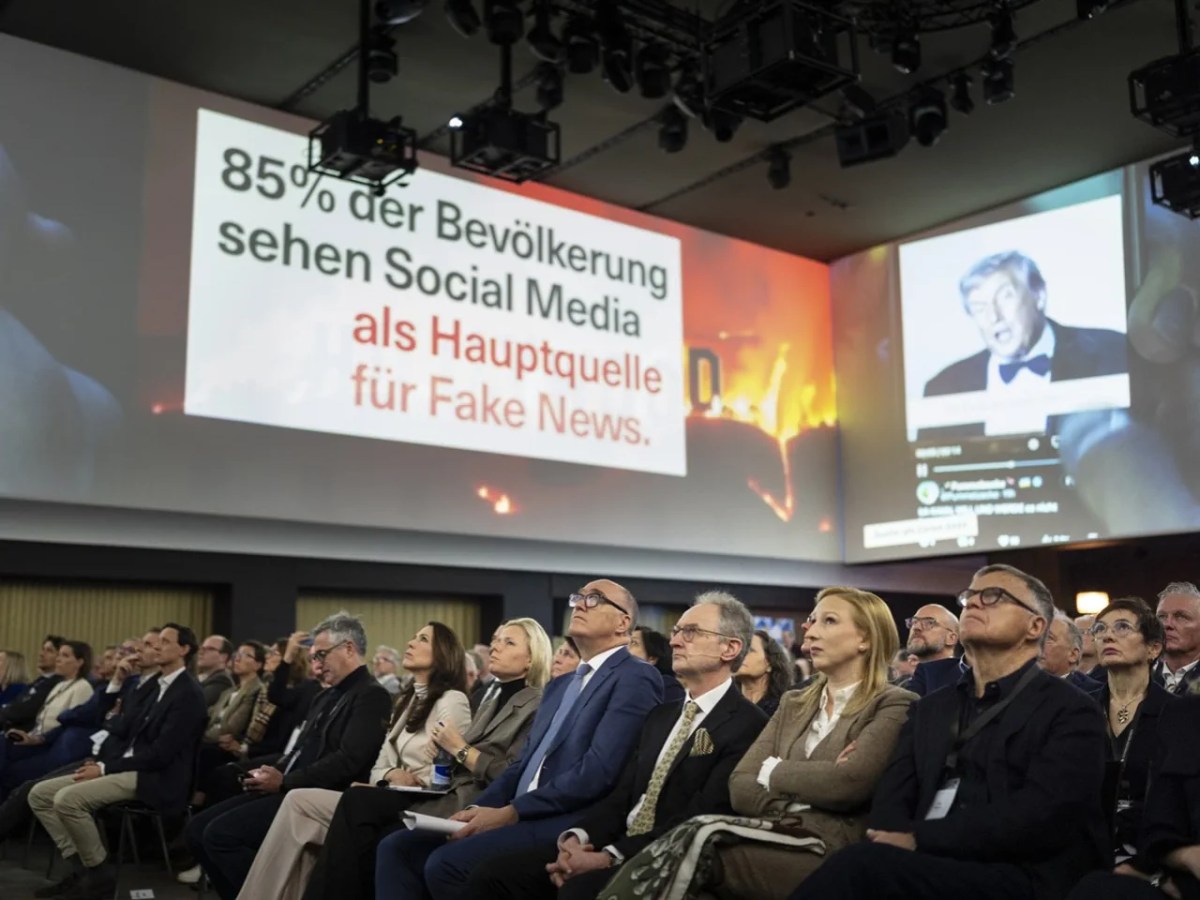
Switzerland has become a target for foreign disinformation campaigns aimed at dividing Swiss society, according to Defence Minister Martin Pfister. Speaking at the Swiss Media Association’s Epiphany Conference, Pfister highlighted the serious threat posed by politically motivated attempts to influence public opinion in the country.
“Active, politically driven efforts are under way in Switzerland with the aim of dividing society,” Pfister stated. He warned that a divided society becomes more vulnerable and less capable of responding to threats effectively.
The minister specifically named Russian media outlets such as Pravda and Russia Today as sources of problematic content, along with social media platforms like X and Telegram that facilitate the spread of false or misleading information.
Pfister cited a concrete example from May when pro-Russian actors manipulated a video filmed in Geneva by presenting it out of context. The footage was framed to suggest Switzerland was descending into chaos and had abandoned its neutrality. These misleading posts reached more than two million viewers in a short period.
“We must do everything we can to prepare for this information war,” Pfister emphasized. However, he acknowledged the dilemma Switzerland faces as an open, democratic society: “We cannot respond with state propaganda or censorship.” Instead, the country must rely on citizens who can recognize manipulation attempts, which Pfister described as “part of Swiss culture, and we want to preserve it.”
The responsibility extends beyond individuals to include the state, society, and the media. Pfister stressed the importance of education in helping people assess information critically, while simultaneously ensuring media outlets can operate freely.
Patrik Müller, editorial director of CH Media, agreed with Pfister’s assessment and warned that the situation will worsen with advancing artificial intelligence technologies. “The problem is serious – and it will become even more serious with artificial intelligence,” Müller said. He noted that AI tools make creating manipulative content easier, placing greater demands on journalistic media to conduct thorough research, provide clearer context, and systematically debunk false claims.
University of Zurich media researcher Mark Eisenegger confirmed that many Swiss citizens are concerned about disinformation. However, he noted that studies suggest the Swiss population appears less susceptible to propaganda than people in comparable countries.
“This is linked to Switzerland’s still relatively robust media system,” Eisenegger explained, citing the country’s strong public broadcasting and high-quality private media. He added that Switzerland’s small-scale social structure creates more accountability, as people often know who is behind a message.
All stakeholders – from government officials to media executives and researchers – agree on one crucial point: combating propaganda, fake news, and disinformation depends on maintaining free, independent, and trustworthy media in Switzerland.
As disinformation tactics evolve with new technologies, Switzerland’s approach emphasizes critical thinking and media literacy rather than censorship, reflecting the country’s democratic values while acknowledging the very real threats to social cohesion.
Fact Checker
Verify the accuracy of this article using The Disinformation Commission analysis and real-time sources.

21 Comments
Nice to see insider buying—usually a good signal in this space.
Production mix shifting toward Disinformation might help margins if metals stay firm.
Good point. Watching costs and grades closely.
Good point. Watching costs and grades closely.
Nice to see insider buying—usually a good signal in this space.
Good point. Watching costs and grades closely.
Good point. Watching costs and grades closely.
Uranium names keep pushing higher—supply still tight into 2026.
Uranium names keep pushing higher—supply still tight into 2026.
Silver leverage is strong here; beta cuts both ways though.
Good point. Watching costs and grades closely.
Good point. Watching costs and grades closely.
Production mix shifting toward Disinformation might help margins if metals stay firm.
Uranium names keep pushing higher—supply still tight into 2026.
Good point. Watching costs and grades closely.
The cost guidance is better than expected. If they deliver, the stock could rerate.
Good point. Watching costs and grades closely.
If AISC keeps dropping, this becomes investable for me.
Good point. Watching costs and grades closely.
Production mix shifting toward Disinformation might help margins if metals stay firm.
Good point. Watching costs and grades closely.