


Listen to the article
A Sri Lankan social media entrepreneur has been identified as the mastermind behind an extensive network of Facebook pages spreading anti-Muslim and anti-immigrant content targeting British audiences, according to a major investigation.
The joint probe by the Bureau of Investigative Journalism (TBIJ), the Institute for Strategic Dialogue (ISD), and The Times uncovered operations run by Geeth Sooriyapura, who calls himself a “Facebook ads king” and claims to have earned $300,000 through his digital activities.
Investigators identified 128 Facebook pages and groups with a combined following of 1.6 million users connected to Sooriyapura and students from his “Facebook monetisation academy.” The network primarily publishes inflammatory content focused on Muslims, immigrants, and British political figures like London Mayor Sadiq Khan and Labour leader Keir Starmer.
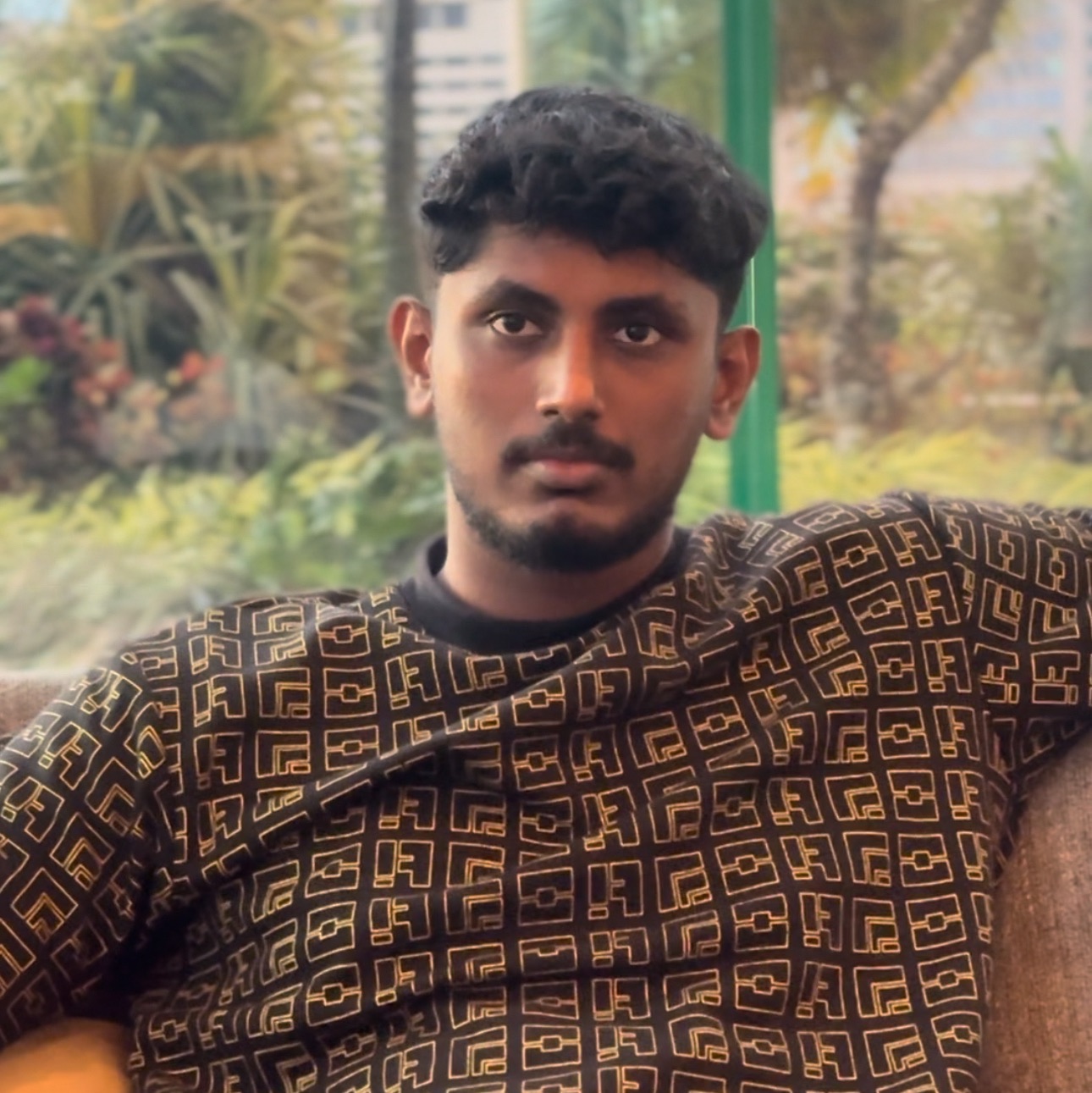
Sooriyapura’s social media accounts depict a lavish lifestyle, with videos showing him dining at five-star hotels, displaying expensive watches, and filming content at a modern apartment with a swimming pool. He regularly appears in Sinhala-language videos aimed at his Sri Lankan audience, promoting his training programs and highlighting his financial success.
In candid interviews with TBIJ, Sooriyapura revealed his targeting strategy, saying he specifically aims content at “old people… because they are the ones who don’t like immigrants.” He explained that UK audiences are particularly profitable due to their high engagement with political topics, especially migration.
The investigation documented numerous instances of false information spread through the network. One page falsely claimed that Sadiq Khan planned to build 40,000 council homes exclusively for Muslims so they could live “near Mosques and Halal food shops.” The post triggered violent reactions, with commenters calling for Khan to be deported or hanged.
A spokesperson for Khan responded that “fake and racist content online has real world consequences” and warned that artificial intelligence was “supercharging the spread of disinformation.”
Indeed, AI-generated content has become a key tool in the network’s arsenal. One widely circulated AI video showed a naval ship crashing into dinghies carrying asylum seekers, throwing people into the sea. Another used an image of Black men in an overcrowded boat off Italy, transformed into a 15-second clip urging viewers to “share if you want Britain to put its OWN PEOPLE before foreigners looking for handouts.”
Sooriyapura’s business model focuses on exploiting Meta’s monetization tools. He encourages students to create pages in specific “niches” such as lifestyle, religion, nail art, or politics—with political content consistently driving the most viral engagement. In one screen-share posted online, he displayed earnings of $1,400 from a single Facebook page in one month, approximately one-third of Sri Lanka’s average yearly income.
Students in Sooriyapura’s program openly celebrate their earnings in Facebook groups. One posted an AI-generated image of Meta CEO Mark Zuckerberg surrounded by cash with the caption: “Thank you very much Mr Zuckerberg for helping people in Sri Lanka.”
Security researchers view this case as part of a growing trend of financially motivated disinformation operations. Sam Stockwell of the Centre for Emerging Technology and Security noted this shows “more of a convergence of financial motives and disinformation.” Siddharth Venkataramakrishnan of ISD warned that commercial disinformation is “no less harmful” simply because profit rather than ideology drives it.
The UK-focused pages in the network frequently amplify anti-Muslim narratives and target Labour politicians. Some posts claim Starmer will introduce sharia law despite being an atheist, while others show AI-generated images of Starmer in Islamic clothing or in fabricated scenes of arrest.
Several UK political figures have unknowingly engaged with content from the network. Reform UK councillor Bill Piper commented “I’ve been saying it for ages” on a post featuring an AI-generated image, while Nigel Clarke, a Reform UK parliamentary candidate, reshared content from one of the network’s pages.
When confronted by The Times, Sooriyapura denied wrongdoing, claiming “I think this is a misunderstanding” and that he only teaches “Facebook monetisation.”
In response to the investigation, Meta said it removed pages flagged for violating policies on inauthentic behavior. British lawmakers have expressed concern about the ease with which such disinformation can be monetized. Labour MP Emily Darlington, who sits on the Commons science, innovation and technology committee, stated she intends to amend the forthcoming Elections Bill to address online disinformation, saying: “We need to find a way to stop this monetisation of hate.”
Fact Checker
Verify the accuracy of this article using The Disinformation Commission analysis and real-time sources.

12 Comments
Interesting story about the Sri Lankan influencer spreading disinformation for profit. Targeting vulnerable communities with inflammatory content is highly unethical. I hope authorities can take action to shut down this network and hold the responsible parties accountable.
This is a disturbing case of an individual exploiting social media to amplify harmful rhetoric and falsehoods for personal gain. Stronger content moderation and transparency measures are urgently needed to prevent such abuse of digital platforms.
This story highlights the dangers of unregulated digital advertising and the need for stronger oversight. Profiting from the dissemination of disinformation that targets vulnerable communities is reprehensible and must be stopped.
Absolutely. Authorities should investigate these operations thoroughly and impose severe penalties to deter this kind of malicious behavior in the future.
This story is a stark reminder of the urgent need for comprehensive regulation of digital advertising and stronger enforcement of policies against the amplification of hate speech and falsehoods. Platforms must be held responsible for enabling such harmful activities.
It’s disheartening to see how social media can be weaponized to spread false narratives and stir up hatred against vulnerable communities. Robust fact-checking, content moderation, and transparency measures are crucial to combat the rise of coordinated disinformation campaigns.
It’s concerning to see how social media can be used to amplify false narratives and stir up hatred against minority groups. Fact-checking and transparency around political ads are crucial to combat the spread of misinformation online.
Agreed. Platforms need to do more to enforce policies against coordinated disinformation campaigns and ensure users have access to reliable information.
The Sri Lankan influencer’s lavish lifestyle funded by spreading hate speech and false information is deeply troubling. Platforms and policymakers must work together to combat the rise of coordinated disinformation campaigns.
Targeting vulnerable communities with inflammatory misinformation is a deplorable tactic. I hope the authorities can take swift action to dismantle this network and hold the perpetrators accountable for their harmful activities.
The lavish lifestyle funded by the dissemination of disinformation is reprehensible. Authorities should investigate this case thoroughly and take decisive action to hold the responsible parties accountable and prevent similar abuses in the future.
The fact that this Sri Lankan influencer was able to profit so significantly from spreading disinformation is deeply concerning. Platforms and policymakers must prioritize combating coordinated efforts to manipulate public discourse online.