


Listen to the article
Spanish corporate giants continue to fund disinformation despite transparency obligations, a new study reveals.
Spain’s largest publicly traded companies are falling short in their approach to combating disinformation, according to a concerning new report from the Observatory of Media and Responsible Information. The study, which examined communication protocols among Ibex-35 companies, reveals a troubling lack of transparency in how these corporate powerhouses handle information integrity.
Despite strict financial disclosure requirements that force these listed companies to reveal their numbers “down to the last detail,” the report found a complete absence of similar transparency when it comes to information practices. Not a single Ibex-35 company achieved a “transparent” rating in this regard, with only 11% reaching a “translucent” status. The vast majority—a staggering 89%—were classified as “opaque.”
The problem appears systemic, beginning with fundamental communication policies. According to researchers, only 6% of these market-leading companies have implemented sufficient general communication guidelines. While 60% maintain partial policies, more than a third (34%) operate without any formal communication framework whatsoever.
Perhaps most concerning is how these companies allocate their advertising budgets. The study found that zero percent of Ibex-35 companies maintain “a commitment to media that comply with editorial integrity standards.” In practical terms, this means Spain’s corporate giants continue placing advertising in outlets known for spreading disinformation, effectively financing the very platforms undermining public discourse.
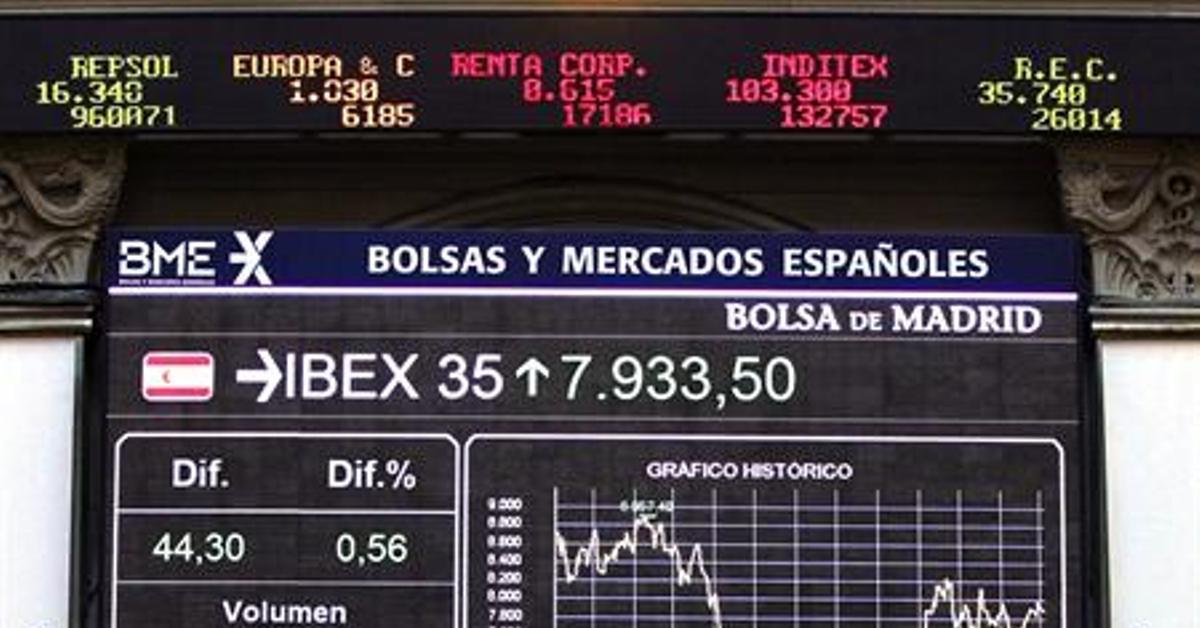
The findings come at a critical time when public trust in institutions is already fragile across much of Europe. The Ibex-35 includes Spain’s most influential corporations across banking, energy, telecommunications, and construction sectors—companies like Santander, Telefónica, Repsol, and Inditex—whose decisions have far-reaching impacts on the Spanish economy and society.
“These large companies have significant responsibilities to citizens given their size and influence,” notes the report, pointing out that while many make public gestures toward corporate social responsibility, they have “not yet assumed their fundamental role” in ensuring a healthy information ecosystem.
The report metaphorically describes the choice facing these companies: helping create “a crystal-clear lake of fair waters” in Spain’s media landscape rather than perpetuating “a swamp full of mud.” By continuing to finance questionable outlets through advertising placements, these corporations inadvertently support what the report describes as “the remnants of journalism that hide behind headlines that earn more from what they don’t publish than from what they do”—a veiled reference to media outlets that may engage in subtle forms of extortion or threat.
Media experts point out that regulatory frameworks have struggled to keep pace with technological change, leaving significant gaps in requirements around information integrity. While financial transparency is strictly mandated for public companies, similar standards don’t yet exist for information practices despite their growing importance in the digital age.
The situation in Spain mirrors similar concerns across Europe and North America, where the relationship between corporate advertising and media disinformation has come under increased scrutiny. Recent studies in other markets have demonstrated that corporate advertising remains one of the primary funding sources for websites publishing misleading or false information.
The Observatory’s report concludes with a challenge, asking whether any of Spain’s corporate leaders will “take the first step against the empire of discreet extortion” by implementing transparent information protocols and directing their advertising budgets exclusively to outlets that maintain editorial integrity.
As disinformation continues to threaten democratic institutions worldwide, the responsibility of major corporations in either combating or enabling this phenomenon appears increasingly relevant—and in Spain, at least, the current verdict is not encouraging.
Fact Checker
Verify the accuracy of this article using The Disinformation Commission analysis and real-time sources.

11 Comments
This report highlights an overlooked aspect of corporate governance – the need for clear communication policies and practices to prevent the inadvertent funding of disinformation campaigns. It’s a complex issue, but one that listed companies can no longer afford to ignore.
This is a concerning report that highlights an often-overlooked aspect of corporate governance. The apparent lack of transparency around communication policies and information practices among Spain’s largest publicly traded firms is troubling, given the potential for inadvertent funding of disinformation campaigns. More needs to be done to drive greater accountability in this area.
The revelation that over a third of major Spanish firms have no general communication guidelines in place is quite alarming. In an era of heightened scrutiny around information integrity, this seems like a glaring oversight that needs to be addressed. Shareholders should demand more transparency from these companies.
I agree. Shareholders and regulators alike should be pressing these firms to implement robust communication protocols and disclosure practices to avoid any complicity in the spread of disinformation.
Interesting report on the lack of transparency around information practices among major Spanish companies. It’s concerning that so many are rated as ‘opaque’ when it comes to communication policies. More oversight and accountability seems needed to ensure disinformation isn’t being inadvertently funded.
I agree, this is an important issue that deserves greater scrutiny. Corporations need to be held to high standards when it comes to information integrity and transparency.
The report findings are quite troubling. That nearly 90% of major Spanish companies are rated as ‘opaque’ when it comes to their communication policies is unacceptable. These are large, influential firms that should be setting a high bar for responsible information practices. Clearly more needs to be done to drive greater transparency and accountability.
I agree completely. Accountability and transparency around information practices should be a key priority for publicly traded companies, especially those with significant market influence. Regulators and shareholders need to demand more from these firms.
This is an important issue that deserves broader attention. The lack of transparency around information practices among Spain’s largest publicly traded companies is concerning, especially given the potential for these firms to inadvertently fund disinformation campaigns. Stronger regulatory oversight may be warranted.
The findings that not a single Ibex-35 company achieved a ‘transparent’ rating is quite troubling. These large, publicly traded firms should be setting a better example when it comes to responsible information practices and combating disinformation. Regulators may need to step in and enforce stronger disclosure requirements.
You raise a good point. If these companies are not voluntarily adhering to transparency norms, then regulatory intervention may be necessary to compel more accountability.