


Listen to the article
London Mayor Faces Criticism Over Focus on “Disinformation” Amid Rising City Concerns
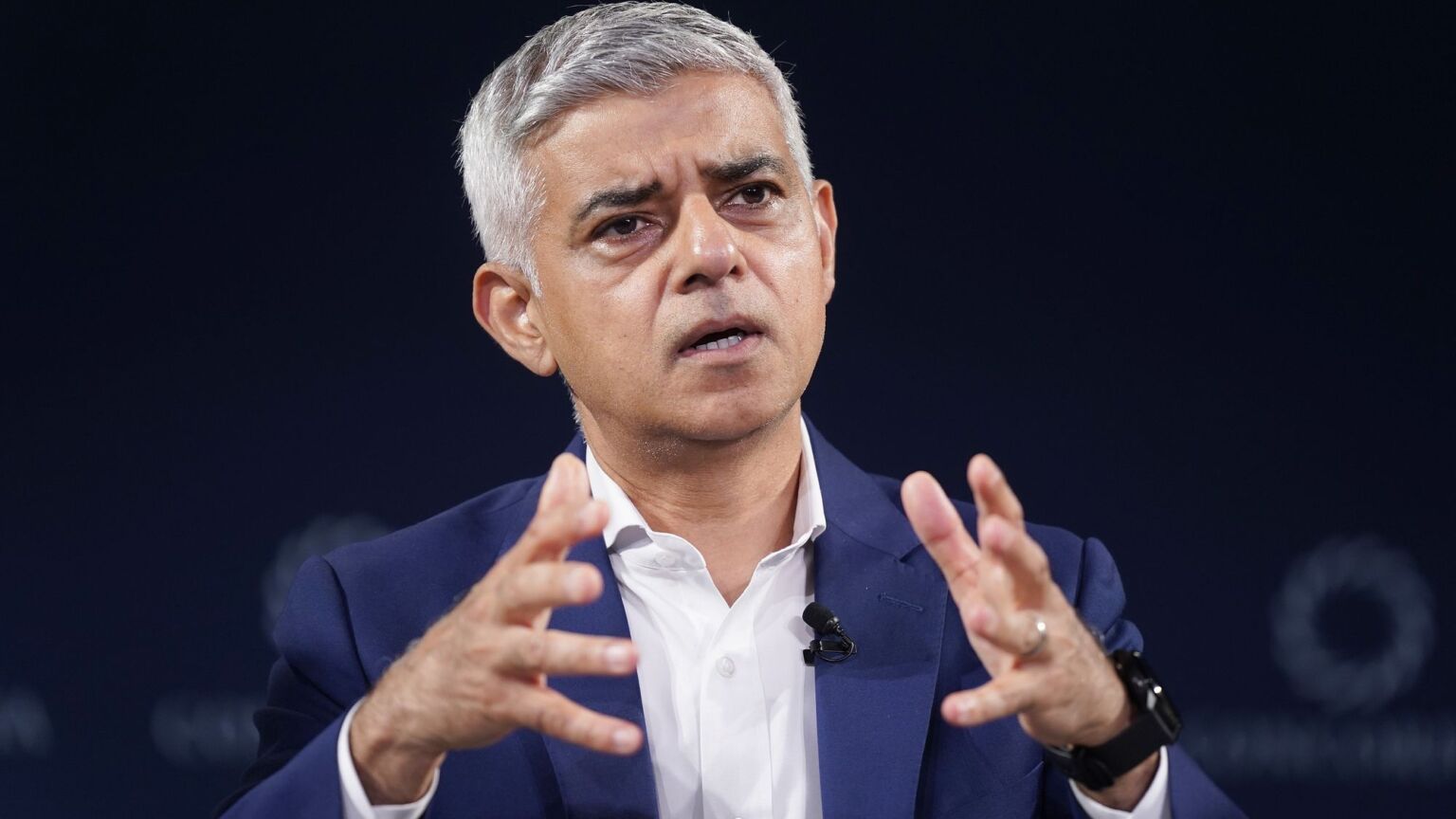
London Mayor Sadiq Khan has sparked controversy by suggesting that negative perceptions of the capital stem from online “disinformation” rather than actual urban issues. Speaking at the Cambridge Disinformation Summit last week, Khan presented findings from a City Hall report warning of a “dark blizzard of disinformation” that allegedly threatens marginalized groups, democratic functioning, economic stability, and even national security.
The report specifically highlights London’s vulnerability to negative narratives due to its global visibility, diversity, and political prominence. It takes aim at claims that London is unsafe or in decline, that sexual assaults by immigrants pose a risk to women and girls, and assertions about demographic changes or “Islamisation” in the capital.
Critics point out that these concerns mirror genuine issues facing Londoners. Recent incidents include youth gangs looting supermarkets in Clapham during Easter, a fatal stabbing of a 21-year-old man in Primrose Hill, and ongoing tensions in Tower Hamlets, where a ministerial corruption probe is investigating funds allegedly channeled to Bangladeshi community groups.
The City Hall report introduces the concept of “malinformation” – factually accurate information that is supposedly used “out of context to support misleading conclusions.” This definition has raised alarm among free speech advocates who note that even truthful information could be labeled problematic if it leads to politically inconvenient viewpoints.
“Khan’s approach suggests that online discourse is causing London’s problems, not his own policies,” said Laurie Wastell, associate editor at the Daily Sceptic. “He’s essentially arguing that if there are muggings, stabbings, or other crimes in London, they’re somehow connected to online criticism rather than addressing the root causes.”
The invitation-only disinformation conference featured speakers like Imran Ahmed, chief executive of the Centre for Countering Digital Hate, a group that advocates for stronger restrictions on online speech. Conference chair Alan Jagolinzer described disinformation as “preparing the landscape for corruption” while calling for increased funding for anti-disinformation initiatives.
This approach mirrors similar rhetoric from other political figures. During the Gorton and Denton by-election, Green Party candidate Hannah Spencer controversially linked the 2017 Manchester Arena bombing to right-wing rhetoric, suggesting that public discourse rather than extremist ideology was to blame.
Critics argue that Khan’s focus on combating negative narratives serves as a distraction from addressing London’s tangible problems. Under his mayorship, concerns about crime rates, housing affordability, and infrastructure maintenance have persisted.
The mayor’s stance has reignited debate about whether social challenges should be addressed through policy solutions or by attempting to reshape public discourse. Free speech advocates worry that labeling genuine concerns as “disinformation” risks silencing legitimate criticism of governance failures.
While City Hall maintains that combating misleading narratives is crucial for social cohesion, opponents argue that Londoners deserve direct action on the issues affecting their daily lives rather than attempts to control how those issues are discussed.
As London approaches its next mayoral election, Khan’s prioritization of fighting “disinformation” over addressing concrete urban challenges may become a significant point of contention for voters assessing his leadership of one of the world’s most prominent global cities.
Fact Checker
Verify the accuracy of this article using The Disinformation Commission analysis and real-time sources.

8 Comments
While I understand the mayor’s desire to address disinformation, dismissing valid concerns about public safety and urban challenges in London seems short-sighted. There are real issues that need to be addressed, not just narratives to counter.
Agreed. Framing legitimate issues as mere ‘disinformation’ risks further alienating residents and eroding public trust. The mayor should engage with the concerns, not simply dismiss them.
While disinformation is certainly a concern, the mayor needs to be careful not to conflate that with genuine public critiques and grievances. Londoners deserve to have their very real issues taken seriously, not brushed off as ‘fake news’.
Well said. Dismissing valid concerns as ‘disinformation’ is a problematic tactic that could further erode public trust. The mayor should engage constructively with the community, not simply deny the existence of problems.
It’s concerning to see the mayor so quickly dismissing London’s very real urban challenges as just ‘disinformation’. Residents deserve to have their concerns heard and addressed, not brushed aside as false narratives.
This is a tricky balance – addressing disinformation while also acknowledging real challenges. The mayor needs to find a way to tackle both, rather than simply dismissing public concerns as false narratives.
Exactly. Dismissing the public’s very real issues as ‘disinformation’ is a concerning response. The mayor should listen to residents and work to address the underlying problems, not just refute the rhetoric.
I’m curious to see the mayor’s full plan for addressing both disinformation and the substantive urban challenges facing London. Simply dismissing public concerns as false narratives seems like an oversimplification of a complex issue.