


Listen to the article
In the midst of conflict, journalists pursue truth despite mounting dangers and restrictions on press freedom, a new analysis reveals. The current situation in Gaza has brought unprecedented scrutiny to Western media organizations’ coverage policies and editorial decisions.
Media professionals worldwide face increasing challenges in conflict reporting, with many outlets implementing restrictions that compromise journalistic independence. The situation has deteriorated to the point where even established foreign media organizations are censoring content and investigating journalists who attempt to cover pro-Palestinian rallies.
“Access to information is now not confined to Pakistani media, but such questions are being raised in the Western media as well,” notes a veteran journalist who has observed this troubling pattern. The trend threatens the fundamental principles of journalism at a time when accurate reporting is critically needed.
These restrictions mirror previous situations where media outlets became instruments for spreading disinformation. During the Iraq War, major American news organizations like The New York Times and Washington Post later acknowledged failing to scrutinize the Bush administration’s claims about weapons of mass destruction. Their subsequent apologies did little to mitigate the consequences of a war based partly on unchallenged narratives.
“In 2004, the New York Times and the Washington Post announced publicly that they had failed to scrutinize the Bush administration’s given reasons for invading Iraq sufficiently,” journalist Tom Fenton documented in his book “Bad News.” This represents what some analysts describe as potential “media war crimes” – when news organizations become complicit in promoting false narratives that lead to military conflict.
The recent US-Iran tensions further illustrated this pattern. For years, Western media outlets published stories claiming Iran was developing nuclear weapons, despite official denials from Tehran. These reports, often based on disputed information, contributed to an environment that ultimately led to military action by Israel and the United States.
When US-Iran negotiations were recently held in Pakistan, the government facilitated international media coverage by providing visa assistance and establishing a Media Convention Center with comprehensive facilities. However, reporting remained heavily controlled, with significant differences between traditional media coverage and digital platforms.
War reporting presents unique challenges that require specialized training and awareness. Journalists covering conflicts need both factual background knowledge and physical safety equipment. Media organizations must prioritize providing safety training and life insurance for their war correspondents, recognizing the extraordinary risks involved in conflict journalism.
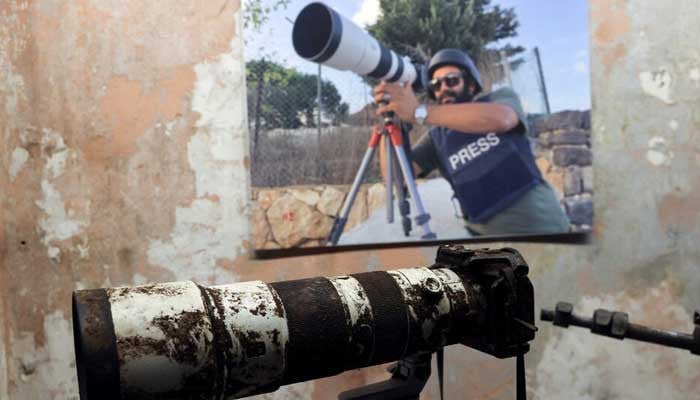
Despite these difficulties, many independent journalists continue risking their lives to uncover facts from conflict zones. From Iraq to Gaza, numerous reporters, broadcasters and photojournalists have been killed while performing this essential work. Their sacrifice underscores the vital importance of fact-based reporting even when powerful interests prefer certain narratives to remain hidden.
“War is something no one wants to see, but as a journalist, one should know how to cover a war while being unbiased,” explains one media analyst. This represents perhaps the most crucial principle of conflict journalism: “If you can’t report ‘facts’, at least don’t tell the ‘lies’ through disinformation.”
The credibility crisis facing journalism today stems partly from instances where major media organizations failed this fundamental test. The embedded journalist model, increasingly popular with military forces, often results in one-sided reporting that serves strategic objectives rather than informing the public.
As global conflicts continue and information becomes a battleground itself, the media’s ability to maintain independence and commitment to truth remains under severe pressure. The consequences extend far beyond journalism, affecting public understanding and potentially influencing life-or-death decisions about war and peace.
Fact Checker
Verify the accuracy of this article using The Disinformation Commission analysis and real-time sources.

7 Comments
Journalists play a crucial watchdog role, especially during times of war and unrest. It’s troubling to see their ability to report freely being compromised, as this can lead to misinformation and a lack of transparency.
You’re right, this is a slippery slope. A free and independent press is essential for a functioning democracy, even in the face of pressure from governments or other powerful interests.
This is a concerning trend that threatens the independent and objective reporting that is so crucial during times of conflict. The public deserves transparent access to accurate information from a free press.
This is a concerning development that undermines the public’s right to accurate information. Journalists must be able to report without fear of censorship or retaliation, regardless of the political sensitivities involved.
It’s disappointing to see media outlets compromising journalistic integrity due to political pressure or restrictions. Unfettered press freedom is essential for shedding light on complex geopolitical issues.
I agree, this sets a dangerous precedent that can lead to the spread of disinformation. Fact-based reporting is critical, even when it challenges the narrative of those in power.
This highlights the difficult balancing act journalists face in war zones – reporting the truth while navigating censorship and physical risks. Their role as truth-seekers is vital, even when it’s inconvenient for those in authority.