


Listen to the article
Russia’s Parliament Advances Bill Allowing Military Action to “Protect” Citizens Abroad
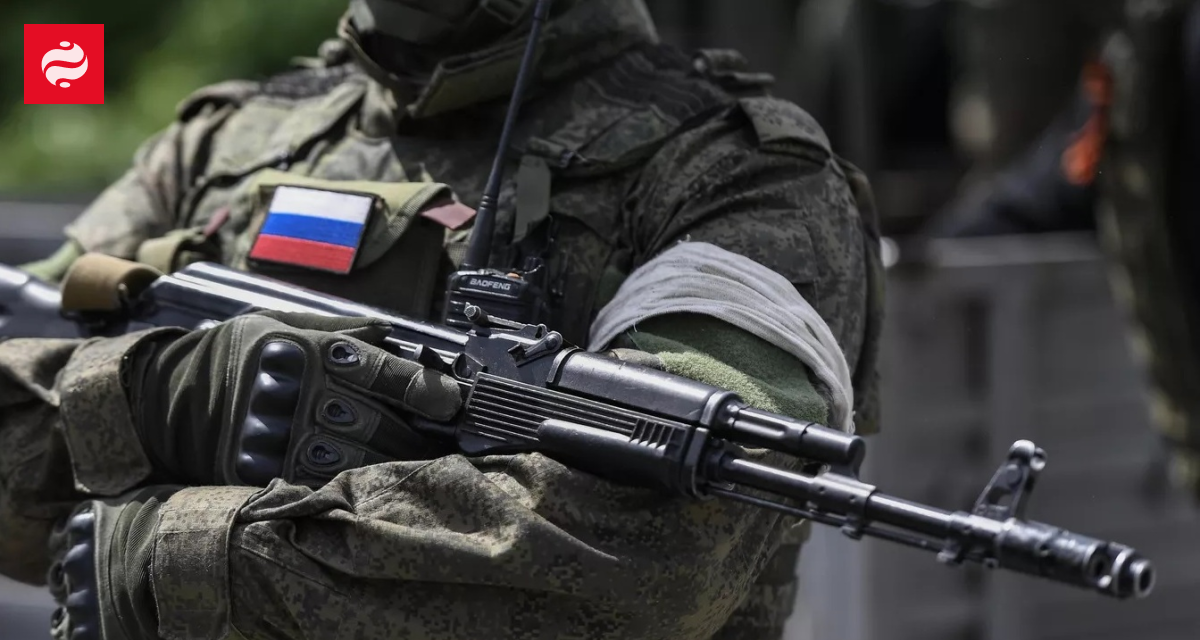
The Russian State Duma has passed a bill in its first reading that would grant President Vladimir Putin expanded authority to deploy troops to countries where Russian citizens allegedly face persecution. The legislation, which specifically targets situations where Russians are arrested or face criminal proceedings abroad, has raised significant concerns among security experts and neighboring nations.
Andriy Kovalenko, head of Ukraine’s National Security and Defense Council’s Center for Countering Disinformation, characterized the move as part of a broader cognitive operation designed to prepare the Russian population for potential military action against NATO countries, particularly the Baltic states.
“This is part of cognitive actions against Europe, in particular the Baltic states,” Kovalenko stated, suggesting the bill represents a deliberate escalation in Russia’s confrontational posture toward neighboring countries.
According to Ukrainian security officials, while Russia may indeed harbor ambitions of aggression against the Baltic nations of Estonia, Latvia, and Lithuania, the Kremlin still requires additional time to prepare for such actions. The current legislative maneuver appears designed to exploit tensions within NATO and the European Union by stoking fears of potential conflict.
“They are now trying to intimidate European societies with a possible war so that these societies do not support current politicians, but elect people like Viktor Orban in their countries in the hope of avoiding war,” Kovalenko explained, referencing Hungary’s prime minister who has maintained closer ties with Moscow than other EU leaders.
However, Ukrainian officials note that this strategy has shown limited effectiveness in recent electoral contests, pointing to results in Romania and Hungary where candidates seen as more aligned with Western democratic values have performed strongly. LIGA.net recently documented the political shift in Hungary, where Peter Magyar achieved what was described as a “historic victory” despite the backdrop of Russian influence operations.
The timing of this legislative move comes amid growing concern about Russia’s increasingly sophisticated propaganda operations. Military and communications specialist Oleksandr Ravchev has documented how artificial intelligence has dramatically enhanced the effectiveness of Russian disinformation campaigns targeting Ukraine.
The Center for Countering Disinformation has been actively monitoring these operations, recently debunking false claims about Russian forces capturing Kupiansk-Vuzlovyi in Ukraine’s Kharkiv region. Earlier disinformation campaigns included allegations that Ukraine was preparing chemical weapons provocations to discredit Russian forces.
Security analysts view the Duma’s bill as particularly concerning given Russia’s history of using the pretext of “protecting Russian citizens” to justify military interventions, most notably in Georgia in 2008 and Ukraine in 2014. The legislation effectively codifies this doctrine, potentially lowering the threshold for Russian military deployment abroad.
For Baltic states and other NATO members with significant Russian-speaking populations, the bill represents a clear security threat, potentially creating a legal framework for Russian intervention based on manufactured grievances against local authorities.
The international community is closely monitoring the bill’s progression through the Russian parliament, as its final passage would represent a significant escalation in Russia’s willingness to assert military power beyond its borders under increasingly broad justifications.
Fact Checker
Verify the accuracy of this article using The Disinformation Commission analysis and real-time sources.

11 Comments
This bill is a brazen move by Russia to lay the groundwork for military intervention. Framing it as ‘protecting’ Russian citizens is just a thinly veiled attempt to justify potential aggression. De-escalation and diplomacy are critical at this juncture.
Russia’s actions seem to be part of a worrying pattern of behavior aimed at justifying potential military aggression. Framing this as ‘protecting’ Russian citizens abroad is a transparent ploy. De-escalation and a firm, united response from the international community are crucial.
This move by Russia is incredibly provocative and raises the risk of miscalculation and conflict. Preparing the Russian public for potential military action against NATO countries is a reckless and destabilizing strategy. The international community must respond decisively.
Russia’s escalation of rhetoric and legal posturing against NATO countries is deeply troubling. This appears to be part of a broader disinformation campaign to rally domestic support for potential military action. The international community must respond firmly.
This seems like another concerning escalation by Russia. Whipping up public support for potential military action against NATO countries is a dangerous game. I hope cooler heads can prevail and de-escalate the situation.
Russia’s actions here are incredibly concerning and appear to be part of a broader disinformation campaign. Preparing the public for potential military action against NATO countries is a reckless and destabilizing strategy. The international community must respond decisively.
While the details are concerning, I’m cautious about jumping to conclusions. We need a clearer picture of Russia’s intentions and the potential implications for regional stability. Maintaining open lines of communication and pursuing diplomatic solutions should be the priority.
Russia’s attempts to expand its military reach abroad under the guise of ‘protecting’ citizens are worrying. This legislation appears to be a pretext for potential aggression against its neighbors. The international community must remain vigilant.
I agree, Russia’s actions are extremely concerning and raise the specter of further conflict in Europe. The international community needs to strongly condemn this blatant disregard for national sovereignty.
This is a deeply troubling development. Russia’s attempts to expand its military reach under the guise of ‘protecting’ citizens are a clear escalation. The international community must respond firmly to prevent further destabilization and the risk of conflict.
While the details are concerning, I would caution against assuming the worst. Russia may be posturing, but we need a clearer understanding of their intentions and the potential implications. Maintaining open lines of communication and pursuing diplomatic solutions should be the priority.