


Listen to the article
Russian Disinformation Campaigns Target International Development Aid, Study Finds
Targeted misinformation about development cooperation has evolved into a standard component of international disinformation efforts, with Russian state agencies significantly expanding their activities in this domain, according to a new study published by the Center for Monitoring, Analysis and Strategy (CeMAS).
The comprehensive research highlights how Moscow has intensified efforts to undermine Western development initiatives, particularly targeting organizations like USAID, the United States Agency for International Development. This strategy appears designed to weaken public trust in international aid programs and diminish Western influence in developing regions.
“We’re seeing increasingly sophisticated attempts to portray development cooperation as neo-colonial or exploitative,” explains Dr. Sophia Müller, lead researcher at CeMAS. “These narratives are carefully crafted to resonate with historical grievances in recipient countries while simultaneously appealing to anti-globalist sentiment in Western nations.”
The study documents how Russian disinformation operations have evolved beyond traditional social media campaigns to include more nuanced approaches. These include amplifying genuine local concerns about development projects, establishing seemingly independent news outlets that push anti-Western narratives, and exploiting existing tensions between donor and recipient countries.
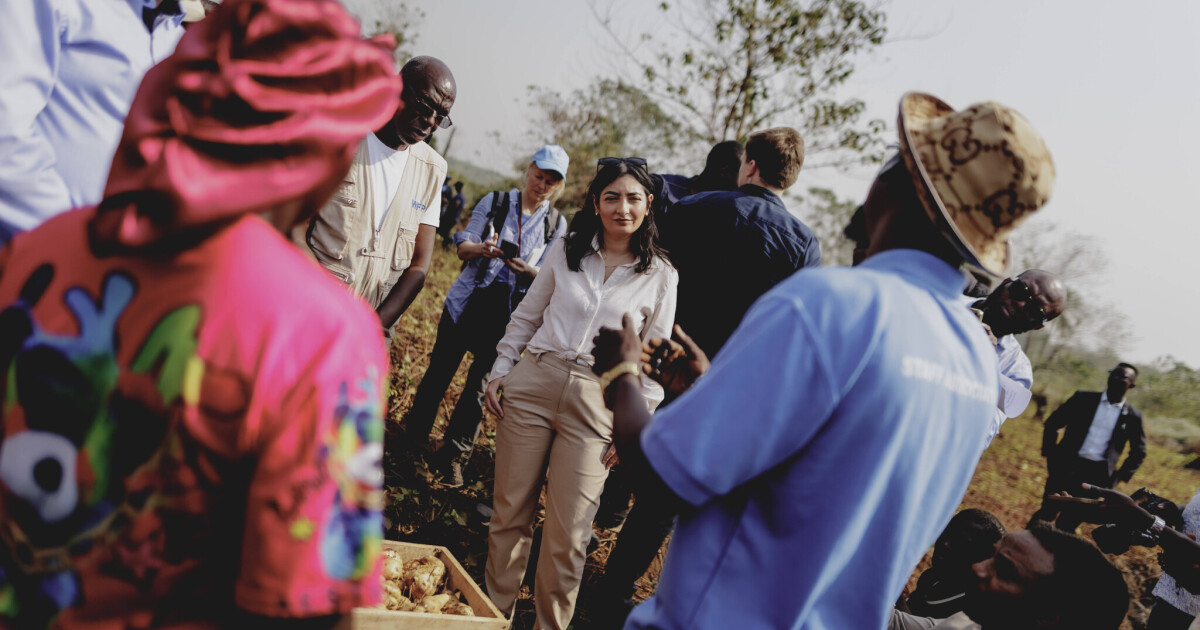
German development initiatives have become a particular focus for Russian disinformation efforts in recent months. Federal Minister for Economic Cooperation and Development Reem Alabali-Radovan’s recent visit to Sierra Leone in January 2026, where she toured development projects including agricultural initiatives, was met with a coordinated wave of misleading reports across multiple platforms.
“What makes these campaigns particularly effective is their ability to blend factual information with distortions,” notes Felix Schmidt, a disinformation analyst at the European Digital Media Observatory. “They might accurately report on a development project’s existence but then fabricate local opposition or exaggerate negative impacts.”
The CeMAS study identifies several recurring themes in Russia’s development-focused disinformation: portraying Western aid as ineffective compared to Russian or Chinese alternatives; suggesting hidden agendas behind humanitarian assistance; and framing development projects as mechanisms for resource extraction rather than genuine support.
The targeting of USAID represents a strategic choice, experts say. As one of the world’s largest development agencies with operations in over 100 countries, undermining trust in USAID potentially impacts U.S. soft power across multiple regions simultaneously.
“Development cooperation is particularly vulnerable to disinformation because its impacts are often gradual and complex,” says Maria Kovács, former development advisor at the United Nations. “It’s easier to undermine public support for something when the positive outcomes aren’t immediately visible.”
The study’s findings arrive amid growing concern about information warfare’s impact on international development. Several major donor nations, including Germany, have begun incorporating media literacy components into their aid programs to help recipient communities identify and resist disinformation.
The researchers recommend that development agencies adopt more transparent communication strategies, engage more actively with local communities, and develop rapid response capabilities to counter false narratives before they gain traction.
“This isn’t just about protecting institutional reputations,” concludes the CeMAS report. “When disinformation successfully turns communities against development initiatives, it’s the vulnerable populations who ultimately suffer the consequences.”
Development experts emphasize that addressing this challenge requires a coordinated approach involving governments, NGOs, media organizations, and tech companies. As information warfare continues to evolve, so too must the strategies to protect the integrity of international development cooperation.
Fact Checker
Verify the accuracy of this article using The Disinformation Commission analysis and real-time sources.

16 Comments
It’s disappointing but not surprising to see Russia targeting development aid with disinformation. This aligns with their broader pattern of undermining democratic norms and institutions.
You’re right, this is part of a larger playbook. Vigilance and a coordinated response from the international community will be essential to push back against these tactics.
The findings from CeMAS highlight the need for stronger international cooperation to counter Russian disinformation. Coordinated efforts to fact-check and debunk these narratives are crucial.
Absolutely. Multilateral collaboration and information-sharing will be key to building resilience against these malign influence operations.
It’s disturbing to see how Russia is weaponizing development aid to undermine Western influence. This speaks to their larger geopolitical agenda of challenging the liberal international order.
You make a good point. This strategic use of disinformation is part of Russia’s broader effort to erode trust in democratic institutions and Western leadership on the global stage.
Interesting, it’s concerning to see how Russia is trying to undermine international development aid through disinformation campaigns. This speaks to their broader efforts to sow discord and weaken Western influence globally.
You’re right, these kinds of targeted disinformation tactics are quite worrying. It’s critical that we remain vigilant and call out these attempts to mislead the public.
This research highlights the need for greater media literacy and critical thinking skills, both among the general public and policymakers. Recognizing and debunking disinformation is crucial.
Agreed. Investing in education and building societal resilience against manipulation and misinformation should be a top priority.
This is a concerning trend that deserves closer scrutiny. I wonder what other sectors or policy areas Russia may be targeting with similar disinformation campaigns.
That’s a good question. Given Russia’s track record, it would not be surprising to see them deploying these tactics in other domains as well, from energy and trade to human rights and security issues.
I appreciate the in-depth research by CeMAS highlighting these issues. Identifying and exposing these Russian disinformation tactics is an important step in combating their spread.
Agreed, shining a light on the tactics used is crucial. Transparency and fact-checking are key to countering the impact of these misleading narratives.
The findings on Russia’s targeting of development aid are quite concerning. It’s a reminder of the need for robust fact-checking and transparency to counter these malign influence operations.
Absolutely. Maintaining public trust in institutions and international cooperation will be critical to mitigating the impact of these disinformation campaigns.