


Listen to the article
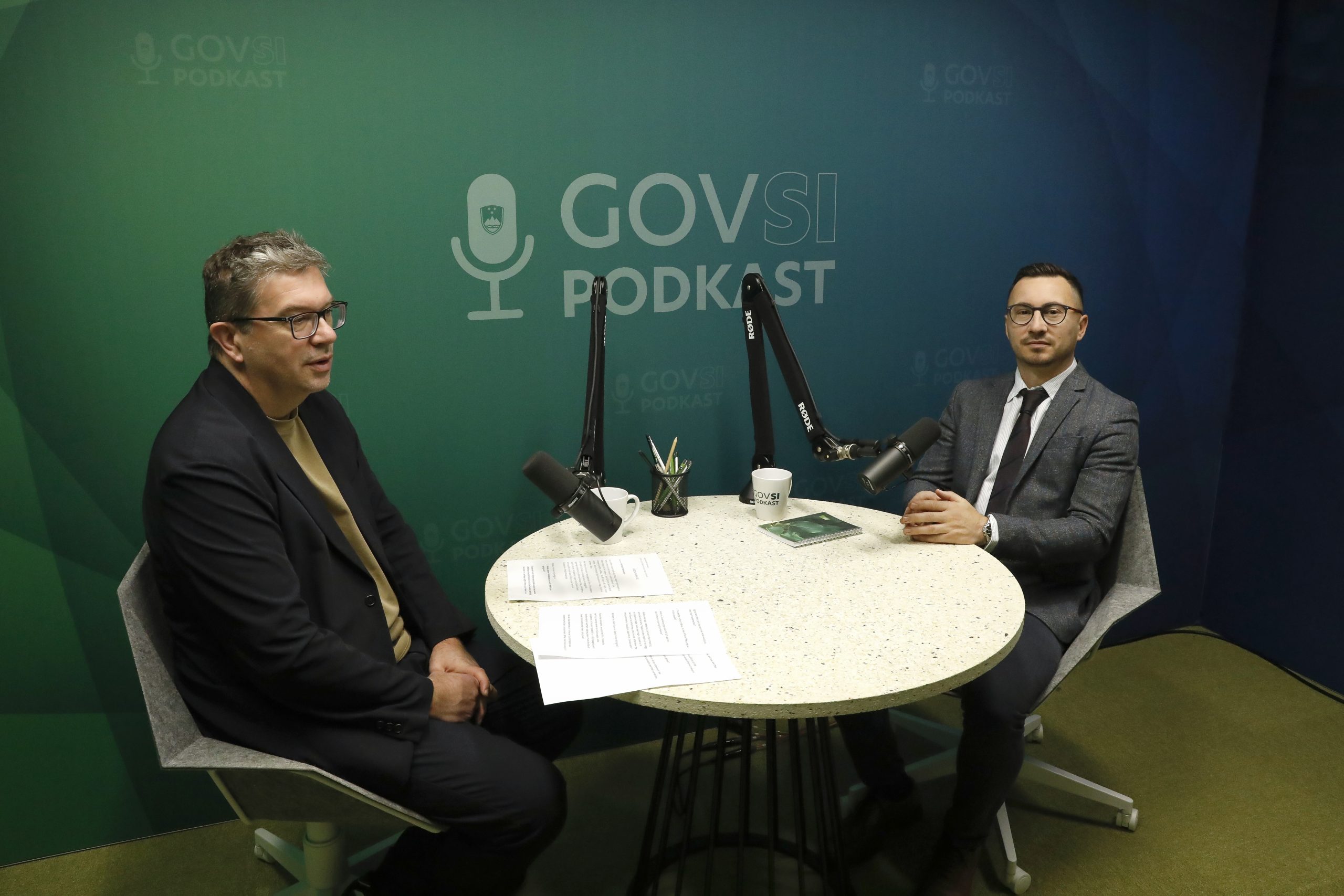
In the ongoing battle against disinformation, Ukrainian expertise has become increasingly valuable to European nations grappling with similar challenges. A recent episode of the GOVSI podcast highlighted this growing concern, featuring insights from Mykhailo Dankanych, a Ukrainian veteran and specialist in countering Russian disinformation campaigns.
Dankanych delivered a stark warning that information warfare extends far beyond Ukraine’s borders, actively targeting European Union member states through sophisticated operations designed to undermine democratic institutions and sow discord among Western allies.
“What we’re seeing is not isolated to the conflict zone in Ukraine,” Dankanych explained during the in-depth discussion. “Russian disinformation networks are operating across multiple European countries simultaneously, adapting their narratives to exploit local political divisions and cultural sensitivities.”
The podcast conversation comes at a critical moment when European security officials have documented a significant uptick in coordinated disinformation efforts targeting election processes across the continent. Recent elections in France, Germany, and several Eastern European nations have faced unprecedented levels of foreign interference through social media manipulation and the spread of false narratives.
According to intelligence assessments cited during the podcast, Russian-backed operations have evolved beyond crude propaganda, now employing AI-enhanced content creation, deep fakes, and infiltration of legitimate media channels to distribute misleading information that appears credible to average citizens.
Dankanych drew upon his frontline experience in Ukraine, where combating information warfare has become as crucial as conventional military operations. Ukrainian counter-disinformation units have developed innovative detection and response mechanisms that are now being studied by NATO allies as potential models for broader implementation.
“Ukraine has essentially become a testing ground for these tactics,” noted Dankanych. “What proves successful against Ukrainian society today will likely be deployed against other European democracies tomorrow.”
The European Commission has recently allocated €11 million toward a new initiative to strengthen cooperation between member states on identifying and neutralizing foreign information threats. This program aims to share best practices from countries like Ukraine that have developed specialized expertise through direct confrontation with state-sponsored disinformation.
Media analysts point out that the Russian strategy typically exploits existing societal tensions, amplifying polarizing issues around immigration, energy policy, and national sovereignty. The approach creates what security experts call “narrative laundering,” where fabricated stories are planted in fringe media outlets before making their way into mainstream discourse.
The GOVSI podcast episode also examined the role of social media platforms in either facilitating or combating these campaigns. Despite public commitments to content moderation, many platforms continue to struggle with identifying coordinated inauthentic behavior, particularly when it involves sophisticated networks operating across multiple languages.
“The challenge for platforms is enormous,” said Dankanych. “These operations employ native speakers and cultural experts who understand exactly how to frame messaging to avoid triggering automated detection systems.”
For ordinary citizens, the podcast offered practical advice on developing digital resilience and critical information consumption habits. Dankanych emphasized the importance of source verification and awareness of emotional manipulation techniques commonly employed in disinformation campaigns.
The discussion concluded with recommendations for stronger international cooperation, suggesting that the European Union needs to view information security as a fundamental component of national defense rather than merely a regulatory challenge.
As disinformation techniques continue to evolve, experts like Dankanych provide valuable perspective from the frontlines of this new form of conflict. Their experience underscores the increasingly borderless nature of information warfare and the need for democratic societies to develop more robust defenses against manipulation campaigns that threaten to undermine public discourse.
The full podcast episode is available on the GOVSI platform, offering listeners a comprehensive examination of this critical security challenge facing European democracies in the digital age.
Fact Checker
Verify the accuracy of this article using The Disinformation Commission analysis and real-time sources.

35 Comments
If AISC keeps dropping, this becomes investable for me.
Good point. Watching costs and grades closely.
Production mix shifting toward Disinformation might help margins if metals stay firm.
Good point. Watching costs and grades closely.
Good point. Watching costs and grades closely.
Interesting update on Russia’s Disinformation Campaign in Ukraine War Draws Scrutiny. Curious how the grades will trend next quarter.
Good point. Watching costs and grades closely.
Good point. Watching costs and grades closely.
Uranium names keep pushing higher—supply still tight into 2026.
Good point. Watching costs and grades closely.
Good point. Watching costs and grades closely.
The cost guidance is better than expected. If they deliver, the stock could rerate.
Good point. Watching costs and grades closely.
Silver leverage is strong here; beta cuts both ways though.
Good point. Watching costs and grades closely.
Good point. Watching costs and grades closely.
Production mix shifting toward Disinformation might help margins if metals stay firm.
Silver leverage is strong here; beta cuts both ways though.
Good point. Watching costs and grades closely.
Interesting update on Russia’s Disinformation Campaign in Ukraine War Draws Scrutiny. Curious how the grades will trend next quarter.
Good point. Watching costs and grades closely.
Silver leverage is strong here; beta cuts both ways though.
Good point. Watching costs and grades closely.
Exploration results look promising, but permitting will be the key risk.
Good point. Watching costs and grades closely.
Production mix shifting toward Disinformation might help margins if metals stay firm.
Good point. Watching costs and grades closely.
Good point. Watching costs and grades closely.
Nice to see insider buying—usually a good signal in this space.
I like the balance sheet here—less leverage than peers.
Good point. Watching costs and grades closely.
Good point. Watching costs and grades closely.
Exploration results look promising, but permitting will be the key risk.
Good point. Watching costs and grades closely.
Good point. Watching costs and grades closely.