


Listen to the article
Russia’s Strategic Propaganda Reshapes African Perceptions
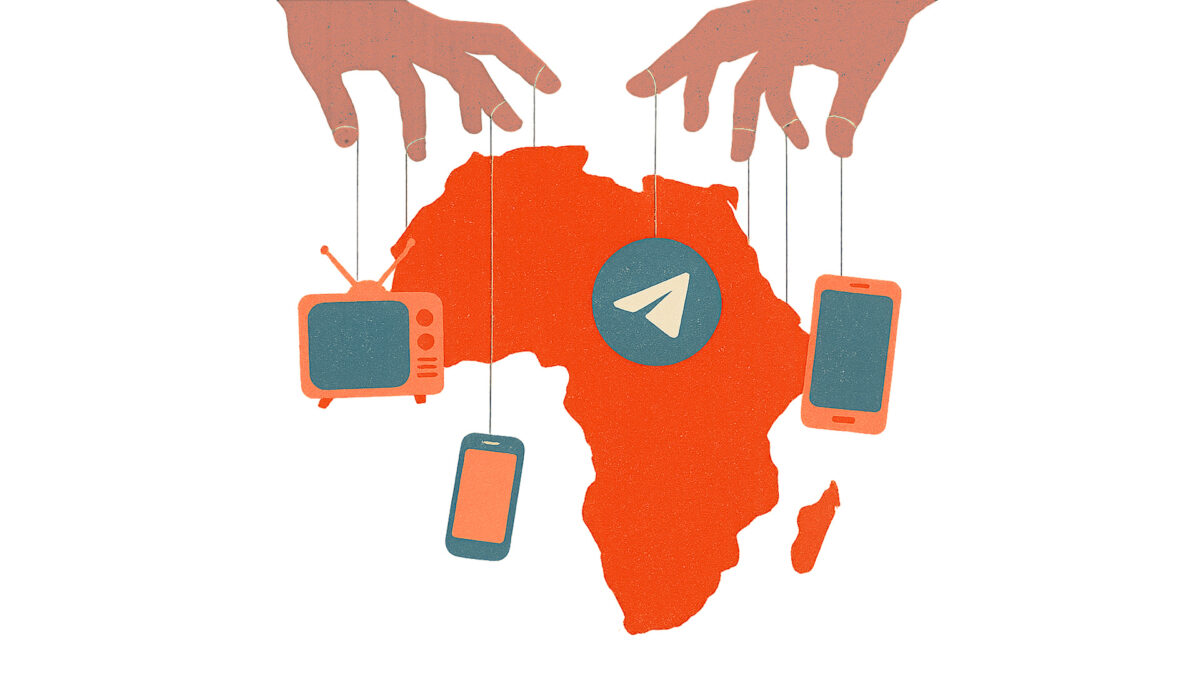
Across Africa, historical wounds from colonial exploitation and foreign interference have created fertile ground for Russian disinformation campaigns. The TruthAfrica project has emerged to track and counter these sophisticated propaganda efforts, which aim to reshape perceptions and undermine democratic development through what experts call Foreign Information Manipulation and Interference (FIMI).
Recent monitoring reveals the Kremlin’s messaging strategy relies heavily on emotional manipulation, positioning Russia as a reliable partner and fellow victim of Western arrogance while portraying Western nations as neo-colonial powers driven by greed and hypocrisy.
These narratives spread not only online but take root in conversations across the continent. From videos circulated on encrypted channels to state-sponsored news disguised as grassroots opinion, propaganda functions as a cultural weapon, requiring only emotional clarity to be effective.
Among the most powerful tools in this arsenal is animation. Cartoons with bright colors and simple graphics bypass language barriers and literacy levels, making them particularly effective in regions with limited internet access and low trust in traditional media. These animated videos subtly—sometimes blatantly—undermine Western presence while portraying Russia as a sympathetic alternative.
A survey conducted across 17 African countries revealed that many young Africans mechanically repeat anti-Western talking points, not necessarily out of genuine support for Russia but from the perspective that “the enemy of my enemy is my friend.” This sentiment has been particularly evident in the Sahel region, where cartoons glorifying paramilitary groups and depicting violent rejection of French presence have circulated for years.
The propaganda has effectively shifted the primary perceived threat in the Sahel from jihadist groups responsible for bloody attacks to France itself. This narrative shift has created support for Russian private military companies like the Wagner Group, which comes at significant cost to host countries through financial compensation or exploitation of natural resources.
In the Central African Republic, for example, the sanctioned company Lobaye Invest—part of M-Finans owned by former Wagner leader Evgeni Prigozhin—has been exposed as a gold and diamond mining enterprise serving as payment for Wagner services. Similar companies appeared in Mali immediately after Wagner’s deployment, establishing the legal framework for resource extraction should Mali be unable to meet the reported $10 million monthly payments to Russia.
The narrative techniques extend beyond Africa. In Ukraine, the pro-Kremlin Telegram channel Rybar distributes the cartoon series “Odnazhdy,” portraying Russian soldiers as noble heroes while depicting Ukrainian troops as weak, cowardly, and Western-controlled.
A key element of Russia’s propaganda portrays itself as defending against Western aggression rather than as an aggressor. This perspective resonates not only in Africa but across Europe, the Middle East, and North Africa, supporting Russia’s strategy to diminish Western influence and build alternative alliances.
Russia’s claim that it was never a colonial power, unlike Western nations, ignores historical facts. In the 19th century, Russia attempted to establish colonies like “New Moscow” in Ethiopia, using deception to mask territorial ambitions. Similarly overlooked is Russia’s decades-long interference in African liberation movements across Angola, Mozambique, Namibia, South Africa, and other nations—support that came with Soviet ideological influence.
Another effective narrative positions Russia as a guardian of traditional values, particularly targeting Nigeria by aligning with religious and cultural resistance to LGBTQIA+ identities. These campaigns undermine Western influence by presenting Russia as morally aligned with conservative African values, appealing to both Christian and Muslim communities.
Together, these narratives form a calculated ecosystem of influence. Whether through cartoons, historical revisionism, or moral positioning, Russian propaganda exploits real frustrations and deeply held beliefs to reshape alliances and perceptions across Africa. Understanding these strategies represents the first step in countering them—with democratic sovereignty across the continent hanging in the balance.
Fact Checker
Verify the accuracy of this article using The Disinformation Commission analysis and real-time sources.

11 Comments
While the spread of Russian disinformation in Africa is concerning, it’s also important to recognize the historical context of colonial exploitation and foreign interference that has created fertile ground for these narratives. A nuanced approach is needed.
The TruthAfrica project sounds like an important initiative to track and counter Russian propaganda in the region. Strengthening local media and empowering citizens to discern fact from fiction will be key in this battle.
Interesting to see the growing influence of Russian propaganda in Africa. It’s a concerning trend that requires close monitoring and effective counter-messaging to expose the disinformation and protect democratic development.
The use of animation as a tool for propaganda is quite clever, as it can bypass language barriers and reach a wider audience. However, we must not let these slick visuals distract us from the underlying message and agenda.
The Kremlin’s strategy of positioning Russia as a fellow victim of Western interference is a classic propaganda tactic. We must be careful not to fall for this false narrative and instead focus on the real impacts of these disinformation campaigns.
Absolutely. It’s crucial that we maintain a critical eye and don’t let emotional appeals cloud our judgment when it comes to evaluating the source and veracity of information.
It’s concerning to see how Russian disinformation is taking root across the African continent, undermining democratic progress. Countering this will require a multi-faceted approach, including digital literacy campaigns and fact-based reporting.
The Kremlin’s messaging strategy of portraying Western nations as neo-colonial powers driven by greed and hypocrisy is a calculated attempt to undermine trust and sow division. It’s crucial that we counter these narratives with facts and nuance.
The use of emotional manipulation and positioning Russia as a reliable partner is a concerning strategy. It’s important to see through these narratives and understand the true motives behind the Kremlin’s propaganda efforts.
Agreed. We must remain vigilant and fact-check the information being circulated, especially when it comes from state-sponsored sources disguised as grassroots opinions.
The use of animation as a propaganda tool is particularly insidious, as it can bypass language barriers and appeal to emotions rather than logic. We must be vigilant in exposing these tactics and promoting media literacy.