


Listen to the article
Russian Disinformation Flows Unchecked Through Kosovo Media, Study Finds
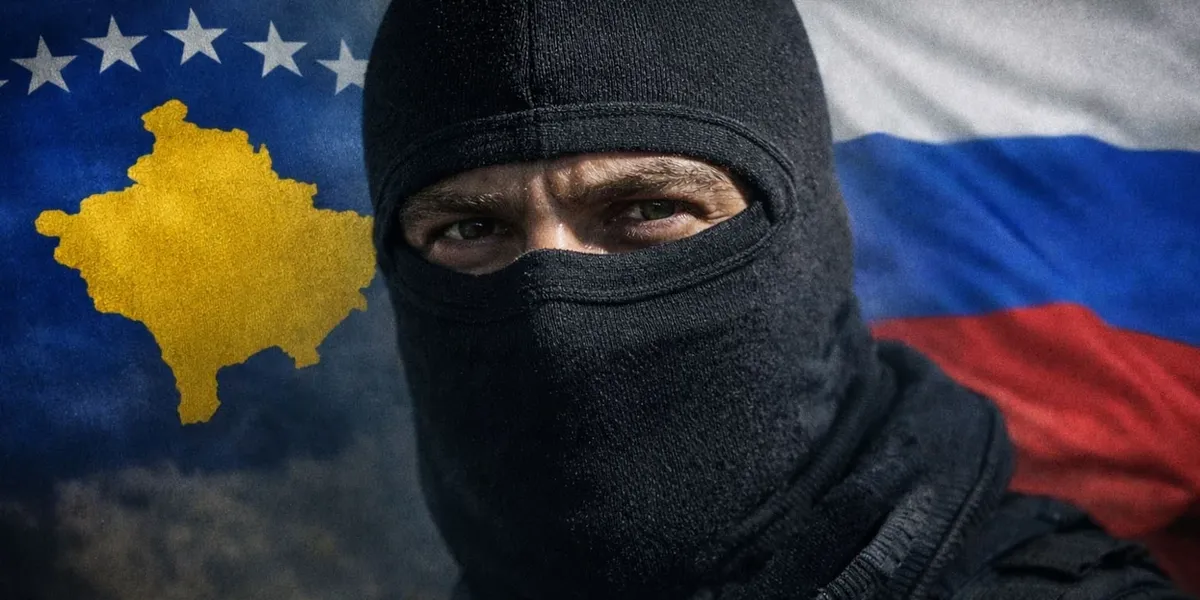
Approximately 400 articles about Russia and the war in Ukraine have been published in Albanian-language media across Kosovo since February 2022, with many containing irregular, incomplete, or misleading information, according to a new analysis of regional media practices.
The study reveals a troubling pattern where Kosovo media outlets frequently republish content without proper verification, context, or sourcing. Over half of the articles analyzed—around 52% according to the “Pikasa.ai” platform—failed to cite any information source whatsoever when covering the Ukraine conflict.
“The first element we wanted to do with the study is to provide evidence that Russian influence has taken root in the Balkan region, and especially in the Albanian audience,” said Kreshnik Gashi, managing editor at KALLXO.com. “The data we have obtained shows us that in both [Serbian and Albanian] languages, Russian influence has taken deep root and in some cases has become the primary source of information.”
To compile the data, researchers examined content from 150 platforms operating in the Kosovo media landscape, uncovering a sophisticated strategy employed by Russia to infiltrate local news networks.
The investigation highlights that no Kosovo media outlet maintains correspondents in Ukraine, leaving news organizations entirely reliant on second-hand information. This dependency creates vulnerability to manipulation, as outlets simply “copy and paste” content without critical assessment.
“It’s good to understand what’s happening in Ukraine, but no Kosovo media outlet has a correspondent there. This means that we are completely copying and pasting a reality that is happening there, taking the narrative of either Ukraine or Russia,” Gashi explained.
The study identified a particularly concerning tactic where Russian operatives exploit Kosovo’s trust in Western news sources. According to Gashi, Russian interests have hired translators who selectively translate content from reputable international outlets like BBC, Reuters, or CNN, often removing crucial context before distributing it through rapid-translation platforms.
Journalist Melazim Koci characterized Russia’s information campaign as a cost-effective strategy with outsized impact. “It is the cheapest possible investment, because no war today is won if the information war is not won first. Kosovo is hit not only by the special Russian and Serbian disinformation war, but there are also other parties involved.”
Koci believes the disinformation efforts aren’t necessarily aimed at changing the worldview of Kosovo’s Albanian majority population but rather at undermining confidence in Western democratic values and instilling a sense of defeatism among Kosovo citizens.
Resource constraints appear to be a significant factor enabling this information vulnerability. Muhamet Hajrullahu, editor-in-chief at Telegrafi.com, noted that many Kosovo media outlets lack the financial and human resources necessary to properly cover international news.
“There are media outlets in Kosovo that respect the professional code of ethics, but then there is the internal problem of editorial capacities and finances,” said Hajrullahu. His own organization has addressed this by maintaining a dedicated team of four to five journalists focused exclusively on international news coverage.
Hajrullahu described implementing a practical solution at Telegrafi.com by developing “a black list of media that we should not quote, and a list of those that we should quote” after observing many Kosovo outlets republishing content from Albanian media without any verification.
The problem extends beyond reporting on Ukraine. The analysis found similar patterns of uncritical republication when covering interethnic issues within Kosovo itself, with content often copied from Serbian-language sources via Albanian media outlets.
Fitim Gashi from policy think tank “S’bunker” suggested the issue stems from both coordinated disinformation efforts and unintentional lapses due to capacity shortfalls.
“The main target of Russian disinformation is the Serbian community in Kosovo, but there are also cases when dubious news is published on Albanian language platforms where the source is unknown,” Gashi explained.
Media experts propose that investing in regional correspondents would help address these vulnerabilities. However, financial constraints make this solution challenging for most Kosovo news organizations.
“There is always a need for correspondents, but most media outlets do not see the need to appoint a correspondent in Serbia or the region due to lack of finances,” Gashi noted, emphasizing that contextualizing statements from Serbian sources is crucial to prevent inflaming tensions in the region.
Fact Checker
Verify the accuracy of this article using The Disinformation Commission analysis and real-time sources.

11 Comments
The high percentage of articles without cited sources is troubling. Journalists in Kosovo should strive for transparency and accountability when reporting on sensitive geopolitical issues. Readers deserve access to reliable, well-sourced information.
This is a worrying trend that deserves serious attention. Disinformation can have far-reaching consequences, undermining public discourse and eroding trust in democratic institutions. Rigorous journalistic standards are essential to combat these malign influences.
This study highlights the need for media literacy and source verification in Kosovo. Readers should be cautious of articles lacking proper citations, as they may contain misleading or incomplete information. Maintaining a well-informed populace is crucial.
I agree. Diligent fact-checking and responsible journalism are essential to combat the spread of Russian propaganda and misinformation.
This is an alarming trend. Unchecked disinformation can have serious consequences for public discourse and decision-making. Journalists and media outlets in Kosovo have a responsibility to uphold ethical standards and provide accurate, well-sourced reporting.
The lack of proper sourcing and verification in Kosovo’s media is deeply concerning. Readers deserve access to factual, reliable information, not propaganda or misleading narratives. This study highlights the urgent need for media reform in the region.
Concerning to see Russian disinformation spreading unchecked in the Balkans. Proper sourcing and verification of news is critical, especially on sensitive geopolitical topics. Disinformation can have serious consequences and undermine public trust.
It’s worrying to see Russian influence gaining a foothold in Kosovo’s media landscape. Maintaining an independent, objective press is vital to a healthy democracy. This study underscores the need for greater media literacy and critical evaluation of news sources.
The findings of this study are quite concerning. Proper sourcing and verification of information should be a top priority for media outlets, especially when covering complex geopolitical conflicts. Readers must be able to trust the integrity of the news they consume.
This is a troubling revelation about the state of media in Kosovo. Disinformation can be a powerful tool to sow discord and undermine democratic institutions. Strengthening media literacy and journalistic standards is crucial to combat these malign influences.
I couldn’t agree more. Maintaining a free and independent press is essential for a healthy, well-informed society.