


Listen to the article
Major Shake-up in Maine Senate Race as Governor Mills Drops Out
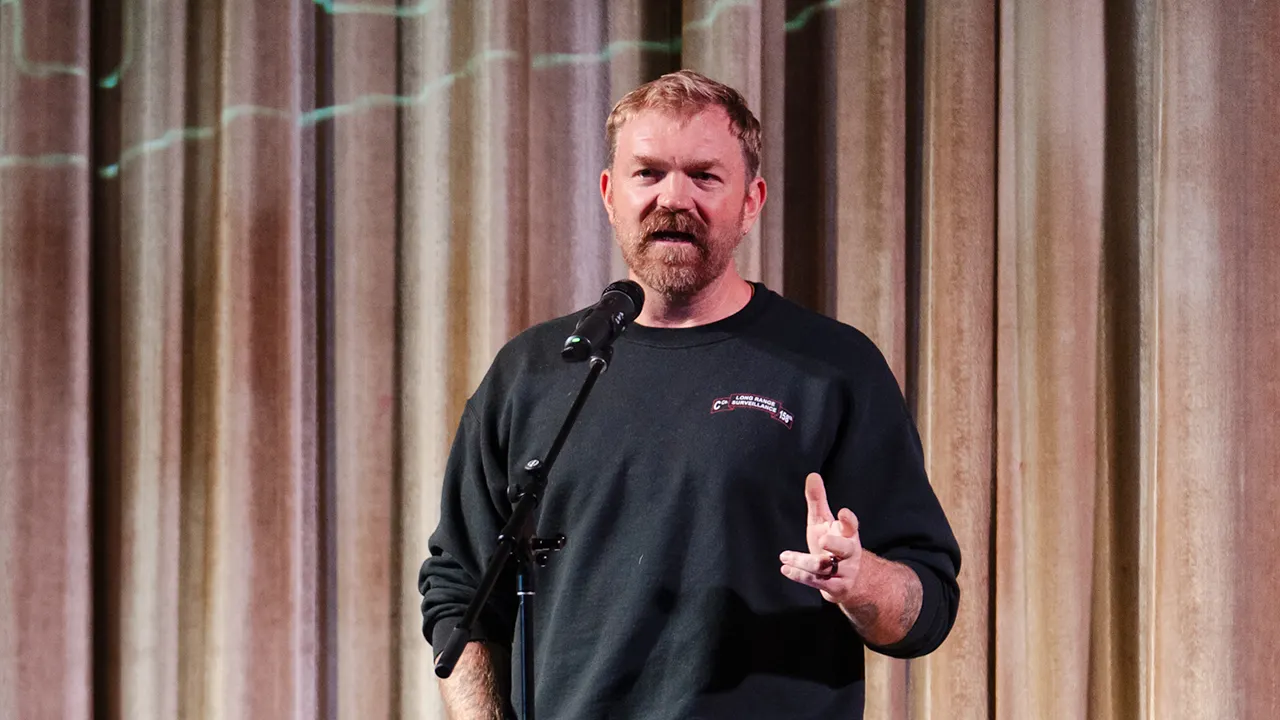
Senate Republicans are seizing an opportunity to challenge Democratic candidate Graham Platner following a significant shift in Maine’s Senate race. The contest was effectively decided Thursday when Maine Governor Janet Mills abandoned her campaign citing funding difficulties, leaving Platner as the presumptive Democratic nominee against incumbent Senator Susan Collins.
Mills’ withdrawal carries dual implications for the political landscape. First, it suggests Senate Minority Leader Chuck Schumer and Democratic Party leadership may be losing influence, as Mills had been their handpicked challenger to take on Collins. Second, it gives Republicans fresh ammunition against Platner, whose progressive stance and controversial past statements make him a prime target.
“This is the new Democrat Party,” Senator Tim Scott of South Carolina told Fox News Digital. “I don’t know how to, I don’t even know how to digest all that nonsense. This is crazy.”
Scott, who chairs the National Republican Senatorial Committee (NRSC), characterized Platner as an “extreme” candidate compared to Mills’ more centrist positioning. Republicans plan to focus their attacks on Platner’s past statements, including disparaging comments about rural white voters, controversial Reddit posts about women, and what Scott described as “absolute condescension towards minorities, and Black people specifically.”
Despite never holding elected office, Platner currently leads Collins in the polls by an average of nearly eight percentage points, according to RealClearPolitics. However, Senator Steve Daines of Montana, who previously chaired the NRSC during the Republican Senate flip in 2024, reminded reporters that Collins has overcome polling deficits before.
“Every poll, going right up to Election Day, and she ended up winning by eight points,” Daines noted. “Susan Collins is a tough out and she’s going to win Maine.”
Collins, seeking her sixth term in the Senate, has long positioned herself as a moderate Republican in a state with independent political leanings. Her ability to maintain crossover appeal has helped her survive previous electoral challenges, even when early polls suggested vulnerability.
Republicans view Platner’s rise as part of a broader pattern within the Democratic Party—a shift from establishment candidates toward more progressive ones backed by Senator Bernie Sanders of Vermont and Representative Alexandria Ocasio-Cortez of New York. This follows the recent mayoral victory of Zohran Mamdani in New York City, another candidate from the Sanders-Ocasio-Cortez coalition.
“The Democrats continue to nominate far-left candidates,” Senate Majority Whip John Barrasso of Wyoming told Fox News Digital. “This is the Bernie Sanders, Elizabeth Warren, AOC wing of the party that is in control.”
Platner’s main backers include prominent progressive figures in the Democratic Party, positioning him firmly on the party’s left flank. Republicans hope to use these associations to portray him as out of step with Maine voters, particularly in more rural and conservative areas of the state.
The race has national implications as Democrats attempt to reclaim control of the Senate in 2026. Maine represents one of several battleground states that could determine the chamber’s balance of power, making it a focal point for both parties’ campaign resources and attention.
As the race develops, Platner will need to navigate his progressive credentials while appealing to Maine’s centrist voters, all while defending against Republican attacks on his past statements. For Collins, the challenge will be to overcome current polling deficits by emphasizing her moderate voting record and long-standing relationship with Maine voters.
With Mills’ exit, the Maine Senate race has transformed into a clearer ideological contest between Collins’ brand of moderate Republicanism and Platner’s progressive Democratic vision, setting the stage for one of 2026’s most closely watched Senate battles.
Fact Checker
Verify the accuracy of this article using The Disinformation Commission analysis and real-time sources.

17 Comments
This race is certainly shaping up to be an interesting one. Platner’s progressive stance could be a double-edged sword, but a thoughtful, nuanced campaign focused on the real issues facing Maine could resonate with voters.
While I may not agree with all of Platner’s positions, I appreciate the diversity of views being represented in this race. It’s important to avoid overly partisan rhetoric and focus on the real policy issues facing Maine.
Agreed, a thoughtful, nuanced campaign focused on substance over rhetoric would serve Platner well. Voters are often turned off by overly partisan attacks, so a balanced approach could resonate.
The withdrawal of Governor Mills is a significant shift in the political landscape. It will be crucial for Platner to articulate a clear, compelling vision that resonates across Maine. Voters deserve a substantive debate, not just political posturing.
I’m curious to see how Platner responds to the GOP’s attempts to portray him as ‘extreme.’ While I may not agree with all his positions, I appreciate the diversity of views being represented in this race.
This race is certainly shaping up to be a battleground. Platner’s progressive stance could be a double-edged sword, energizing his base but also potentially alienating more moderate voters. It will be intriguing to see how he navigates this challenge.
You make a good point. Platner will need to strike a careful balance to appeal to a broad spectrum of Maine voters. A nuanced, issue-focused campaign could serve him well in this heated contest.
The withdrawal of Governor Mills is certainly a significant development. This opens up new opportunities for the GOP, but Platner will need to work hard to present a compelling alternative vision. Voters will be looking for substance over rhetoric.
Agreed, substance over rhetoric should be the focus. Platner has his work cut out for him, but a thoughtful, nuanced campaign could resonate with Maine voters.
The withdrawal of Governor Mills is a big development. It will be crucial for Platner to articulate a clear, compelling vision that resonates across the political spectrum in Maine. Voters will be looking for substance over rhetoric.
You raise a fair point. Platner will need to strike the right balance between energizing his base and appealing to a broader electorate. This race is far from over.
This race is certainly heating up. It will be interesting to see how Platner’s progressive stance plays out with Maine voters. While I may not agree with all his positions, I appreciate the diversity of views being represented.
Agreed, the Maine Senate race is shaping up to be a real contest. Platner’s progressive credentials could be a double-edged sword – they may energize his base but could also alienate more moderate voters.
The political landscape in Maine is certainly shifting. It will be interesting to see how Platner positions himself and whether he can overcome the GOP’s attempts to paint him as an outlier. A thoughtful, nuanced campaign could resonate with voters.
I agree, a nuanced, issue-focused campaign would serve Platner well. Voters are often turned off by overly partisan attacks. Let’s hope the debate stays centered on the real challenges facing Maine.
This race is shaping up to be a real test of Maine’s political leanings. While Platner’s progressive views may energize some, they could also alienate more moderate voters. It will be crucial for him to articulate a vision that bridges divides.
While I respect Senator Scott’s concerns about Platner’s ‘extreme’ positions, I think it’s important to avoid overly partisan rhetoric and focus on the real policy issues facing Maine. Voters deserve a substantive debate, not just political posturing.