


Listen to the article
Russian officials launched a coordinated information campaign on December 29, falsely claiming that Ukraine attempted a massive drone attack targeting President Vladimir Putin’s residence, according to Ukraine’s Foreign Intelligence Service.
The intelligence agency reports that the operation began at approximately 5:00 PM when Russian Foreign Minister Sergei Lavrov made initial accusations that were quickly amplified by state-controlled media outlets including TASS and RT. Within just two hours, a chorus of high-ranking Russian officials echoed the narrative, including Deputy Foreign Minister Alexander Grushko, Presidential aide Yuri Ushakov, and several prominent political leaders.
“This rapid and coordinated response indicates the operation was conducted under Putin’s directives and according to Kremlin-approved messaging,” the Ukrainian intelligence service stated in its analysis of the situation.
The allegations center on claims that Ukraine launched 91 drones at Putin’s residence in the Valdai region. However, Ukrainian intelligence has identified several key inconsistencies that suggest the entire incident was fabricated to serve political purposes.
According to their assessment, no residents in the Novgorod region reported witnessing any drone activity or explosions on December 29, despite the allegedly large-scale nature of the claimed attack. The intelligence service noted that Russian authorities have begun attempting to manufacture eyewitness accounts on social media platforms like VKontakte.
Additionally, nearly 24 hours after the alleged attack, Russian officials failed to produce any physical evidence such as drone debris, photographs, or video footage that would typically be expected following such an incident. The Russian Ministry of Defense also appeared to struggle with consistency in its reporting, initially claiming 18 drones were involved before later adjusting the figure to 23 – numbers that conflict with the 91 drones cited in other official statements.
This incident fits a pattern of similar disinformation efforts by Moscow. In May 2023, Russia falsely reported a Ukrainian drone strike on the Kremlin, and in May 2025, officials claimed that Ukrainian drones targeted Putin’s helicopter during a visit to the Kursk region – an allegation later revealed to be staged, according to Russian government sources.
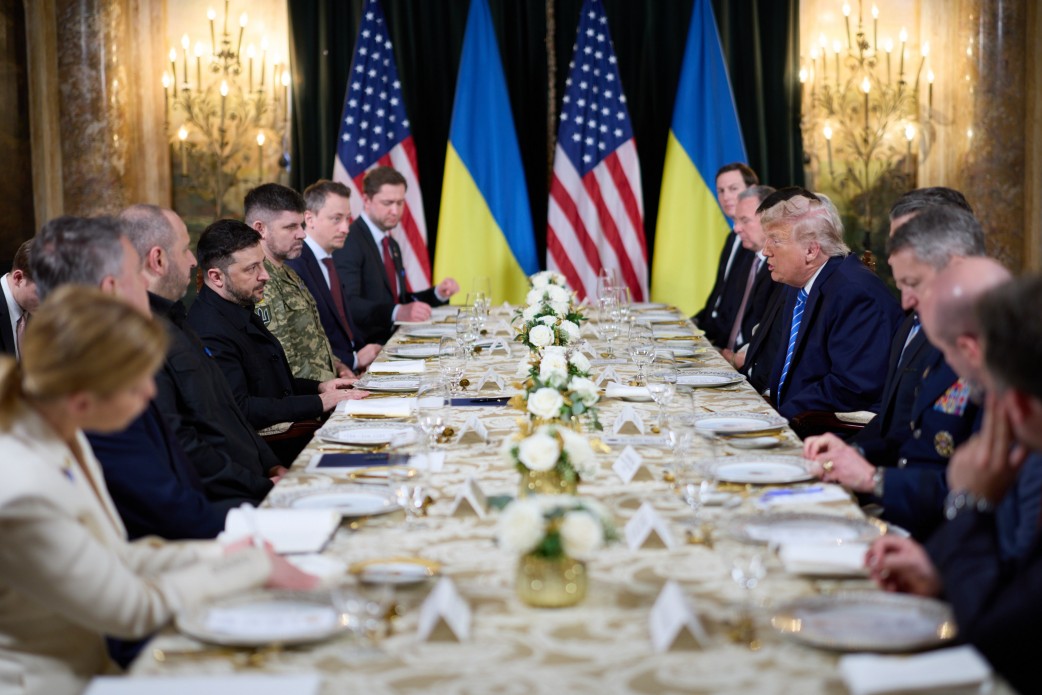
The timing of this latest information operation appears strategically significant, coming shortly after productive talks between Ukrainian President Volodymyr Zelensky and U.S. President Joe Biden at Mar-a-Lago. The Ukrainian intelligence assessment suggests that Russia aims to undermine these diplomatic achievements and potentially justify intensified military actions against Ukraine during the upcoming New Year holiday period.
“Russia is likely to continue using the ‘Valdai attack’ narrative to strengthen its negotiating position and to discredit Ukrainian leadership on the international stage,” the intelligence service concluded.
The fabricated attack narrative emerges as both Ukraine and Russia navigate increasingly complex diplomatic and military landscapes. With Ukraine’s Western allies continuing to provide crucial military support, Russian authorities appear determined to control the information environment and shape international perceptions of the conflict.
Ukraine’s Foreign Intelligence Service has urged media outlets globally to exercise caution when reporting Russian claims, emphasizing the importance of thorough verification to avoid inadvertently spreading Kremlin disinformation campaigns designed to manipulate international public opinion.
As tensions remain high between the two nations, this incident highlights the ongoing information warfare dimension of the conflict, where narratives and perception management have become as strategically important as conventional military operations.
Fact Checker
Verify the accuracy of this article using The Disinformation Commission analysis and real-time sources.

14 Comments
This seems like a classic case of Russian disinformation and propaganda. The Kremlin’s rapid and coordinated response raises a lot of red flags. Ukraine is likely right to dismiss these allegations as fabricated for political purposes.
Agreed, the inconsistencies highlighted by Ukrainian intelligence suggest this was likely a staged incident. Russia has a long history of using such tactics to sow discord and deflect blame.
This is a concerning development, but not entirely surprising given Russia’s track record. The use of state media to rapidly spread these claims is a well-worn disinformation playbook. Ukraine’s pushback is warranted.
Agreed. Russia has repeatedly shown a willingness to fabricate events and spread false narratives to suit its political agenda. Scrutinizing these claims and exposing the truth is essential.
While I’m always cautious about accusations of ‘disinformation’, the evidence presented here does seem to point to a coordinated Russian propaganda effort. The inconsistencies highlighted by Ukrainian intelligence are quite compelling.
I share your caution, but in this case the rapid, high-level response from Russian officials does seem to confirm Ukraine’s assessment. It’s an unfortunate but all-too-common tactic from the Kremlin.
It’s worrying to see Russia continue to spread disinformation like this, especially around sensitive issues like attacks on the president’s residence. This undermines trust and transparency at a crucial time.
Absolutely, Russia’s use of state-controlled media to rapidly amplify these false claims is a concerning tactic. Ukraine is right to forcefully push back and expose the reality of the situation.
This is a concerning development, but not entirely surprising given Russia’s well-documented history of using disinformation as a geopolitical tool. Ukraine’s pushback and exposure of the inconsistencies is a welcome and necessary response.
I agree, the speed and coordination of the Russian response is a clear red flag. Ukraine’s intelligence assessment appears well-grounded, and it’s important that these false claims are swiftly and forcefully refuted.
While I always try to remain objective, the details presented here do raise significant doubts about the veracity of Russia’s claims. The rapid, high-level response and the inconsistencies highlighted by Ukraine are quite troubling.
Absolutely, maintaining a critical eye is essential when assessing claims, especially in the context of Russia’s longstanding use of disinformation tactics. Ukraine’s pushback and exposure of the issues with this narrative is a welcome and necessary step.
While I always try to avoid jumping to conclusions, the details provided here do seem to point to a coordinated Russian disinformation campaign. The inconsistencies highlighted by Ukrainian intelligence are quite troubling.
Absolutely. Russia’s rapid and high-level response, coupled with the issues identified by Ukraine, make it very difficult to take these claims at face value. Maintaining a critical eye is crucial when assessing such narratives.