


Listen to the article
In a significant shift for documentary filmmaking, generative artificial intelligence is emerging as both a powerful restoration tool and a potential source of ethical concerns, particularly in projects relying heavily on archival footage.
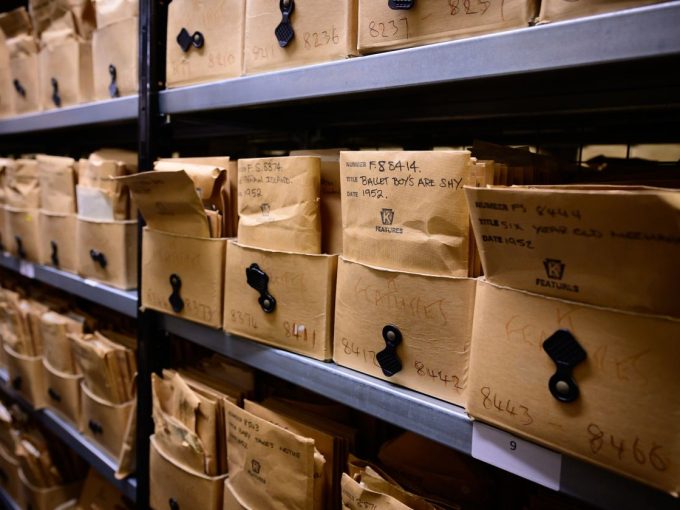
Documentary producers are increasingly turning to AI to enhance degraded historical materials, offering audiences clearer windows into the past. The technology can now colorize black-and-white footage, sharpen blurry images, and even reconstruct damaged sections of film that would otherwise be lost to time.
“We’re seeing remarkable results with restoration techniques that simply weren’t possible five years ago,” says Martin Davidson, executive producer at Windfall Films. “Historical footage that was previously unusable can now tell compelling stories with unprecedented clarity.”
The restoration capabilities have proven especially valuable for documentarians working with limited archival sources. In projects covering pre-digital eras, where available footage may be scarce and in poor condition, AI tools have become essential for creating visually engaging historical narratives.
However, the same technology raising excitement for restoration purposes has simultaneously sparked serious ethical debates within the industry. The ability to generate realistic-looking historical “footage” of events that were never filmed presents documentary makers with complex moral questions.
“The line between enhancement and fabrication requires constant vigilance,” notes Dr. Emily Zhao, media ethics researcher at Columbia University. “When audiences see something in a documentary, there’s an inherent trust that what they’re viewing actually happened, not something created by an algorithm.”
Industry professionals are working to establish best practices to maintain audience trust. Many production companies have implemented disclosure requirements for AI-enhanced or generated content, ensuring viewers understand when technology has significantly altered what they’re seeing.
PBS’s documentary standards division recently updated its guidelines to require clear labeling of any content substantially modified or created through generative AI. The policy aims to maintain the factual integrity that defines documentary filmmaking while allowing producers to thoughtfully incorporate new technological tools.
The ethical considerations extend beyond mere visual authenticity. AI systems can inadvertently perpetuate historical biases or inaccuracies present in their training data, potentially reinforcing stereotypes or misrepresentations of the past.
“These systems learn from existing historical records, which often reflect the biases and limitations of their time,” explains Dr. Thomas Reynolds, digital historian at the Smithsonian Institution. “Without careful human oversight, AI restoration can unintentionally amplify these problems rather than simply restoring content.”
Several high-profile documentaries have already demonstrated the balanced potential of this technology. Ken Burns’ latest historical series employed AI to restore century-old footage while maintaining strict protocols against generating content that didn’t exist. The production team worked with digital ethicists to establish guidelines that preserved historical authenticity while leveraging technological benefits.
The economic implications are substantial as well. Smaller documentary studios can now undertake ambitious historical projects that would have been prohibitively expensive before AI restoration tools became accessible. This democratization of production capabilities has led to more diverse stories reaching audiences.
“We’re seeing independent filmmakers tackling historical subjects that would have required massive restoration budgets just a few years ago,” says industry analyst Sofia Peterson. “The barrier to entry for creating compelling historical documentaries has dramatically decreased.”
For archives and historical institutions, the trend presents both opportunities and challenges. Many are partnering with technology companies to digitize and enhance their collections, making historical materials more accessible while establishing ethical frameworks for their use.
The British Film Institute recently launched an initiative to restore thousands of hours of fragile historical footage using AI technologies, while simultaneously developing educational resources about the difference between restored and generated content.
As these technologies continue evolving rapidly, documentary filmmakers find themselves navigating an increasingly complex landscape. The fundamental tension between restoration and potential misrepresentation requires ongoing industry-wide conversation about standards and practices.
“We’re writing the rulebook as we go,” acknowledges veteran documentary director James Holden. “The potential for preserving history is extraordinary, but maintaining the truth-telling foundation of documentary work must remain our north star.”
Fact Checker
Verify the accuracy of this article using The Disinformation Commission analysis and real-time sources.

28 Comments
The cost guidance is better than expected. If they deliver, the stock could rerate.
Good point. Watching costs and grades closely.
Good point. Watching costs and grades closely.
Silver leverage is strong here; beta cuts both ways though.
Good point. Watching costs and grades closely.
Good point. Watching costs and grades closely.
Interesting update on Restoration vs. Disinformation: Exploring Generative AI in Archive-Based Documentaries. Curious how the grades will trend next quarter.
If AISC keeps dropping, this becomes investable for me.
Good point. Watching costs and grades closely.
If AISC keeps dropping, this becomes investable for me.
Good point. Watching costs and grades closely.
Silver leverage is strong here; beta cuts both ways though.
Good point. Watching costs and grades closely.
Silver leverage is strong here; beta cuts both ways though.
Good point. Watching costs and grades closely.
Good point. Watching costs and grades closely.
Silver leverage is strong here; beta cuts both ways though.
Good point. Watching costs and grades closely.
Silver leverage is strong here; beta cuts both ways though.
If AISC keeps dropping, this becomes investable for me.
If AISC keeps dropping, this becomes investable for me.
Good point. Watching costs and grades closely.
The cost guidance is better than expected. If they deliver, the stock could rerate.
Good point. Watching costs and grades closely.
Good point. Watching costs and grades closely.
Uranium names keep pushing higher—supply still tight into 2026.
If AISC keeps dropping, this becomes investable for me.
Silver leverage is strong here; beta cuts both ways though.