


Listen to the article
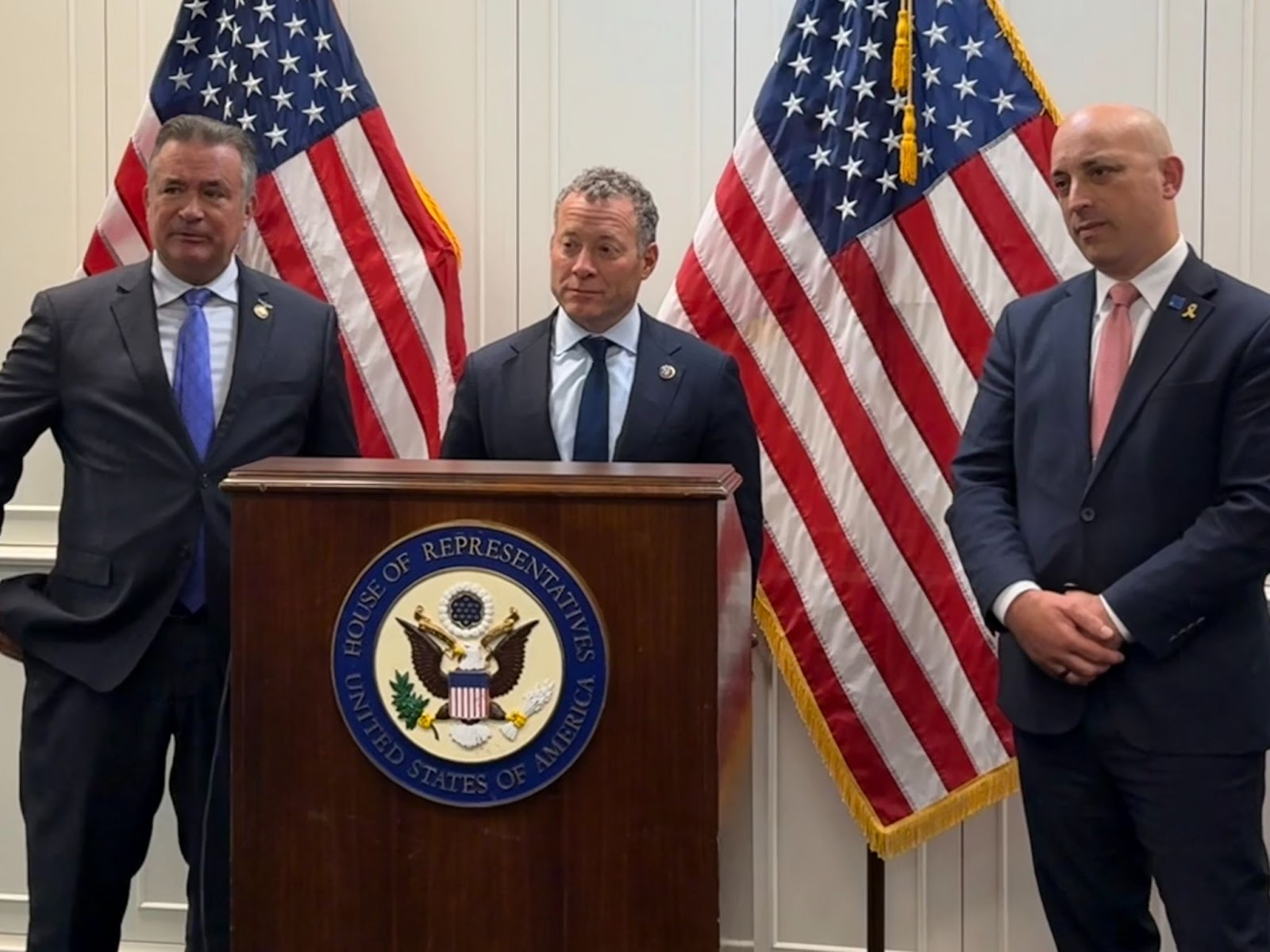
Representatives Josh Gottheimer and Don Bacon introduced bipartisan legislation Wednesday aimed at combating terrorist content and disinformation on social media platforms, responding to what they described as an alarming rise in online hate speech since the October 7 attacks on Israel.
The Stopping Terrorists Online Presence and Holding Accountable Tech Entities (STOP HATE) Act, unveiled at a Capitol press conference alongside Anti-Defamation League (ADL) CEO Jonathan Greenblatt, would require social media companies to report violations of their terms of service and detail how they address content from designated terrorist organizations.
“We’ve seen an explosion of disinformation and antisemitic hate online in America and around the world—especially since the horrific October 7 terrorist attacks,” said Rep. Gottheimer (D-NJ). “After the shooting outside the Capital Jewish Museum, anti-Zionist extremists used social media to call for further violence, posting messages like ‘may all Zionists burn.'”
The legislation comes amid growing concerns about tech platforms’ role in amplifying extremist content. Companies that fail to comply with the proposed requirements would face daily fines of $5 million, according to the lawmakers.
Rep. Bacon (R-NE) emphasized the bipartisan nature of the effort, stating, “Everybody in our country is entitled to respect and not to be the object of hate and scorn. We want to be in a country that makes clear that antisemitism or any kind of racism is repugnant, unacceptable, not allowed in an online space, and that we have zero tolerance for it.”
The bill reflects mounting frustration with what lawmakers see as inadequate content moderation by major tech companies. The ADL’s 2024 Social Media Scorecard found that five major platforms—Facebook, Instagram, TikTok, YouTube, and X (formerly Twitter)—consistently failed to act on reported antisemitic content.
Greenblatt described the current online landscape as enabling “the world’s oldest hate” to go viral, saying, “Today’s extremists exploit social media to recruit, radicalize, and incite violence—often in violation of these platforms’ own terms of service.”
The legislation specifically targets content from Foreign Terrorist Organizations (FTOs) and Specially Designated Global Terrorists (SDGTs), with particular concern about state actors like Iran and terrorist groups like Hamas using social platforms to spread propaganda.
The lawmakers also expressed concerns about foreign-owned platforms, specifically mentioning TikTok and its connections to China, suggesting their “vague content moderation policies” expose young Americans to foreign adversaries’ propaganda.
Recent incidents have highlighted these concerns. Earlier this month, xAI’s chatbot Grok reportedly generated content supporting Adolf Hitler and Nazism on X. Following a shooting at the Capital Jewish Museum, lawmakers cited instances where extremist groups used Instagram to celebrate the attack with captions like “May all Zionists burn.”
The bill would also require the Director of National Intelligence to report on how terrorist organizations utilize social media, creating greater transparency around the scope of the problem.
Tech industry responses to the proposed legislation have not yet been reported, though major platforms have previously defended their content moderation practices while acknowledging ongoing challenges in addressing hate speech at scale.
The STOP HATE Act represents the latest congressional attempt to regulate social media companies, joining other bipartisan efforts focused on platform accountability, algorithmic transparency, and protecting minors online. Unlike some previous proposals targeting broader content moderation practices, this legislation specifically focuses on terrorist content and antisemitic hate speech.
With rising concerns about both domestic extremism and foreign information operations, the bill’s sponsors hope to gain traction in a divided Congress where tech regulation has shown potential for bipartisan cooperation despite differences on implementation details.
The legislation has received formal support from the ADL, with other civil rights organizations likely to weigh in as the bill advances through the legislative process.
Fact Checker
Verify the accuracy of this article using The Disinformation Commission analysis and real-time sources.

9 Comments
Combating online disinformation and hate speech is a critical issue. Requiring social media platforms to report TOS violations and detail moderation practices seems like a reasonable approach to improve accountability and transparency.
Combating terrorism and disinformation online is a complex challenge, but this bill appears to take a thoughtful approach by engaging key stakeholders like the ADL. Cautiously optimistic it can make a positive impact.
While free speech must be protected, social media platforms do have a responsibility to moderate harmful content that incites violence or spreads disinformation. This bill seems aimed at striking the right balance.
Requiring more transparency around how platforms address terrorist and extremist content is a sensible measure. Curious to see the details of the proposed fines and enforcement mechanisms.
Yes, the enforcement and accountability aspects will be critical to the bill’s effectiveness. Enforcement needs to have real teeth.
The rise in online hate and extremism is deeply concerning. I hope this bipartisan effort can lead to meaningful progress in curbing the spread of disinformation and incitements to violence.
Disinformation and antisemitic rhetoric online are serious problems that require a coordinated response. This legislation seems like a step in the right direction, but the devil will be in the details.
Tackling the rise of extremist content and rhetoric on social media is an important step. Bipartisan cooperation on this legislation is encouraging, as addressing these challenges will require a collaborative effort.
Agreed, having stakeholders like the ADL involved is important to ensure the legislation is well-targeted and effective.