


Listen to the article
In a decisive move addressing growing concerns over election integrity in the digital age, Prime Minister Kim Min-seok has ordered a government-wide crackdown on disinformation ahead of South Korea’s upcoming local elections on June 3.
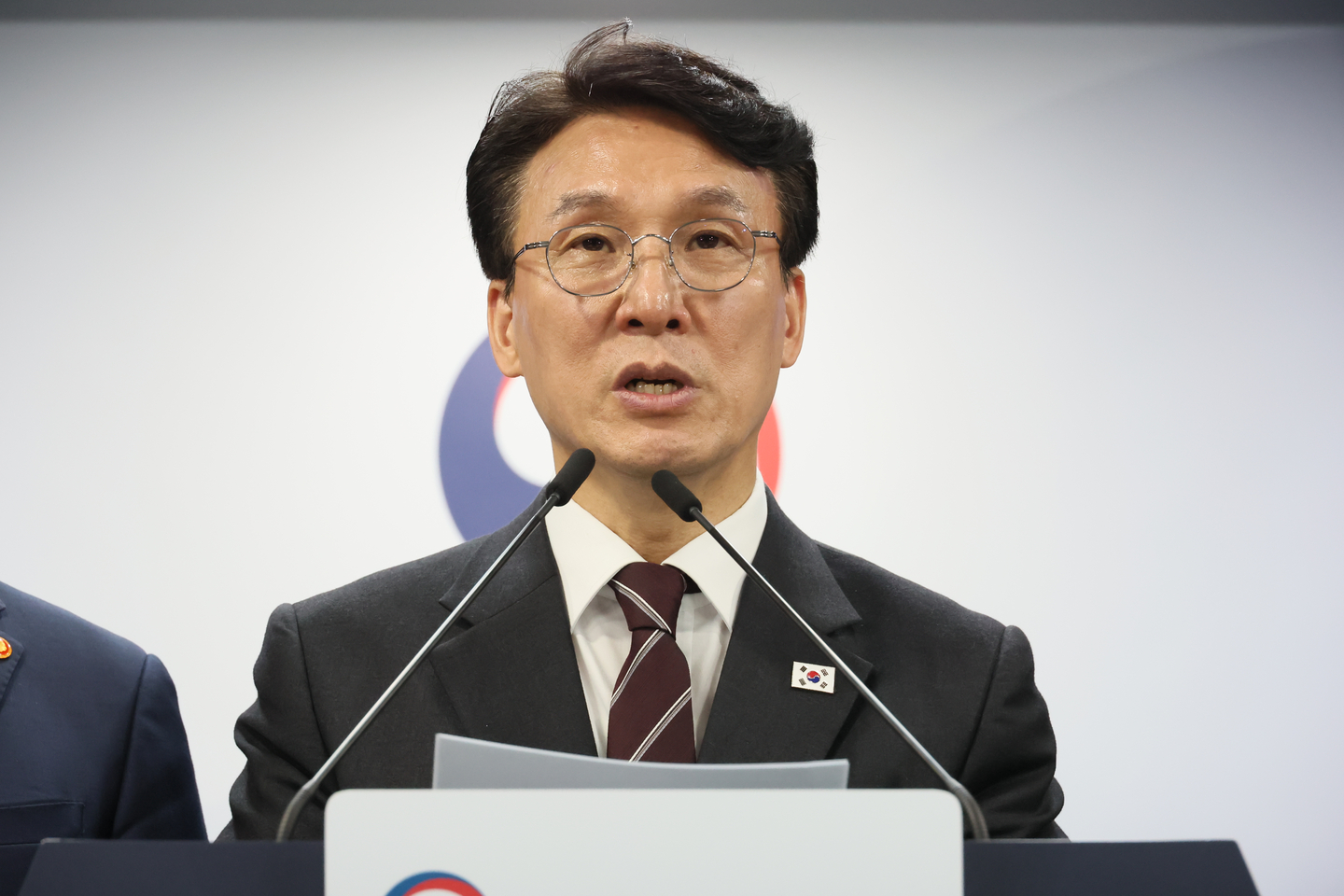
Speaking at a specially convened meeting with ministers and officials on Tuesday, Kim emphasized the urgency of addressing sophisticated disinformation campaigns, noting that the gathering was held more than a month earlier than usual protocol would dictate for elections still 50 days away.
“The reason is that with the rapid development of generative AI technology, disinformation, such as fake news and deepfake videos and voice recordings, is becoming increasingly sophisticated and spreading widely within short periods of time, posing a significant threat to a fair election environment,” the Prime Minister stated during his address at the central government complex in Seoul’s Jongno District.
The directive comes as South Korea, one of the world’s most technologically advanced nations, grapples with the double-edged sword of innovation. While the country has embraced artificial intelligence and digital technologies, these same tools are increasingly being weaponized to manipulate public opinion during critical democratic processes.
In his instructions, Kim specifically tasked the National Police Agency with implementing intensive crackdowns on “pseudo-media” outlets responsible for circulating false information. Additionally, he directed the science ministry and the Korea Media and Communications Commission to establish protocols for rapidly blocking disinformation at its source, working in collaboration with major technology platforms that often serve as unwitting conduits for such content.
Taking a firm stance on the issue, Kim declared: “Fake news is not freedom of expression. It is a challenge to democracy and a clear criminal act.”
The government’s proactive approach reflects growing global concerns about election security in an era when generative AI tools have made creating convincing fake videos, images, and audio recordings increasingly accessible. South Korea’s early intervention strategy could serve as a model for other democracies facing similar challenges.
Political analysts note that South Korea’s June 3 local elections will serve as a critical test for the administration’s ability to safeguard electoral processes against technological threats. These municipal polls, which will determine leadership positions across South Korea’s cities and provinces, are often viewed as a barometer for national political sentiment.
The timing of this announcement is particularly significant given South Korea’s position as both a democratic stronghold in East Asia and a technological powerhouse. The country has previously experienced the impact of disinformation campaigns, particularly during the 2022 presidential election when various false narratives circulated on social media platforms.
Technology experts have praised the government’s recognition of the threat but caution that enforcement presents significant challenges. Detecting sophisticated deepfakes and tracking the origins of disinformation campaigns require substantial technical resources and expertise.
Civil liberties groups, while generally supportive of efforts to protect election integrity, have expressed concerns about ensuring that anti-disinformation measures don’t inadvertently restrict legitimate political discourse or press freedom.
As election day approaches, the effectiveness of these measures will be closely monitored, both within South Korea and by international observers concerned with the universal challenge of protecting democratic processes in the digital age. The outcome may provide valuable lessons for democracies worldwide as they confront the evolving landscape of information warfare.
Fact Checker
Verify the accuracy of this article using The Disinformation Commission analysis and real-time sources.

14 Comments
Kudos to the Prime Minister for recognizing the urgent need to address this issue. Disinformation, especially when amplified by AI, can erode the fabric of democracy. I hope this spurs a robust public dialogue.
As a voter, I’m encouraged to see the government taking this issue seriously. AI-driven fake news can have serious consequences for election integrity. I hope their efforts are effective and earn the public’s trust.
Agreed. Maintaining public trust will be essential for the success of any anti-disinformation initiatives. Transparency and accountability should be the watchwords.
While the government’s intentions seem laudable, I’m curious to learn more about the specific policies and safeguards they plan to implement. Oversight and transparency will be crucial to maintain public trust.
Good point. The devil is in the details when it comes to balancing national security and individual freedoms. Engaging with civil society and tech experts will be key.
Disinformation is a global challenge, and South Korea’s response could set an important precedent. I’m curious to see how they balance the need for security with the preservation of democratic freedoms.
As a technologically advanced nation, South Korea is uniquely positioned to lead the way in developing effective countermeasures against AI-powered disinformation. This could set an important precedent for other countries.
Absolutely. The global challenge of disinformation requires innovative, multi-pronged solutions that balance security and civil liberties. South Korea may pave the way forward.
While tackling disinformation is a priority, I hope the government’s approach will be nuanced and protect free speech. Overzealous censorship can backfire and erode public trust.
Good point. Finding the right balance between addressing fake news and preserving democratic freedoms will be a delicate task for policymakers.
Interesting that the Prime Minister is accelerating the timeline to get ahead of potential AI-driven disinformation campaigns. Hopefully this proactive stance will help ensure fair and transparent local elections.
Tackling disinformation is a complex challenge, but I’m glad to see the South Korean government taking a proactive stance. Strengthening digital literacy and empowering citizens to think critically about online content should be a priority.
Proactive approach to tackle disinformation before elections is commendable. AI-driven fake news poses a real threat to democratic processes, so a government-wide effort is needed to stay ahead of the curve.
Agreed. Generative AI is a double-edged sword – it can be used to create highly convincing disinformation. Strengthening digital literacy and fact-checking is crucial.