


Listen to the article
Poland’s Science Ministry Launches Initiative to Combat Scientific Misinformation
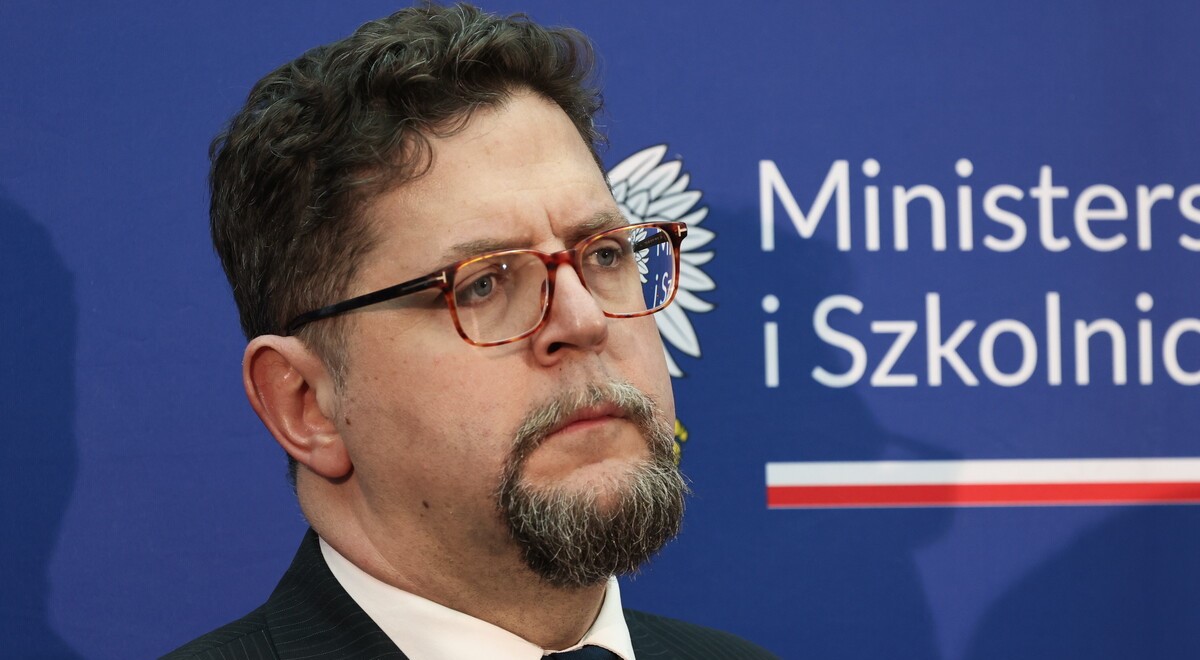
Poland’s Ministry of Science and Higher Education is implementing a comprehensive strategy to fight fake news and misinformation in scientific fields, according to Deputy Minister Andrzej Szeptycki. The initiative comes amid growing concerns about the spread of scientific falsehoods across social media platforms.
In an interview with Polish newspaper Rzeczpospolita, Szeptycki outlined a multi-faceted approach that will include active monitoring of internet and social media channels for misleading scientific claims. The ministry plans to establish dedicated social media accounts specifically designed to quickly identify and debunk false information for public consumption.
“While questioning scientific knowledge is part of progress, deliberately spreading falsehoods undermines public trust and can have serious societal consequences,” Szeptycki explained. He specifically highlighted climate change denial and anti-vaccine propaganda as examples of misinformation that can cause significant harm to public understanding and policy decisions.
The initiative represents one of Poland’s most coordinated governmental responses to the growing challenge of scientific misinformation. Recent studies have shown that false scientific claims can spread up to six times faster than factual information on social media platforms, making rapid response particularly crucial.
Young people are a key target audience for the ministry’s efforts. The program will develop educational materials, online courses, and interactive campaigns specifically designed to promote critical thinking skills and help students identify reliable scientific evidence. These educational components aim to create a more discerning public that can better evaluate scientific claims independently.
“Digital literacy must include the ability to distinguish between credible scientific sources and misleading content,” said Szeptycki. “We’re focusing on building these skills from an early age.”
The ministry’s approach appears to follow models implemented in other European countries, including Finland’s widely praised digital literacy program that has been credited with improving national resilience against misinformation campaigns.
Poland’s initiative comes at a time when scientific misinformation has shown tangible impacts across Europe. A 2023 European Commission report found that over 40% of Europeans encountered misleading information about scientific topics weekly, with health-related misinformation being particularly prevalent.
The ministry’s plan involves collaboration with scientific institutions, universities, and fact-checking organizations to create a network capable of quickly identifying and responding to misinformation trends. This collaborative approach acknowledges that government messaging alone may not be sufficient to counter deeply entrenched misconceptions.
Media analysts have generally responded positively to the announcement, though some have questioned whether the initiative will receive sufficient funding and political support to achieve its ambitious goals. The effectiveness of government-led fact-checking efforts has shown mixed results in other countries, with success often depending on public trust in governmental institutions.
Szeptycki shared details of the interview on his Twitter account, indicating the ministry’s commitment to transparency about its counter-misinformation efforts. The tweet included a link to the full Rzeczpospolita interview.
The ministry has not yet announced a specific launch date for the program, though Szeptycki indicated implementation would begin in the coming months. The initiative’s success will likely be measured by its ability to reduce the spread and impact of scientific misinformation, particularly on topics with significant public health and policy implications.
Fact Checker
Verify the accuracy of this article using The Disinformation Commission analysis and real-time sources.

9 Comments
While it’s important to question scientific knowledge, deliberately spreading falsehoods is highly problematic. This initiative seems like a balanced and much-needed response to address the spread of misinformation.
It will be interesting to see how effective this new strategy is at identifying and countering scientific misinformation on social media. Quickly responding to false claims is key to preventing them from taking hold.
Addressing climate denial and anti-vaccine propaganda through this initiative is a smart move. Spreading misinformation in these areas can have severe public health and environmental consequences. Kudos to Poland for this effort.
It’s encouraging to see Poland taking a multi-pronged approach to this challenge. Actively monitoring social media, debunking false claims, and establishing dedicated channels for public outreach are all important components of an effective strategy.
This initiative highlights the important role governments can play in combating online disinformation. I’m glad to see Poland taking a proactive stance on this issue, which has far-reaching societal implications.
I’m curious to learn more about the specific monitoring and debunking tactics the Polish government plans to employ. Innovative approaches to combating online disinformation could serve as a model for other countries facing similar challenges.
Combating online disinformation is crucial, especially in sensitive scientific fields. I’m glad to see Poland taking proactive steps to quickly identify and debunk false claims. Public trust in science is essential for sound policymaking.
Fighting misinformation, especially in scientific fields, is a complex challenge. I’m hopeful that Poland’s multi-faceted approach will prove effective in restoring public trust and promoting evidence-based decision-making.
The focus on climate change denial and anti-vaccine propaganda is particularly relevant given the significant public health and environmental impacts of these false narratives. This initiative could serve as a model for other countries.