


Listen to the article
Children’s Declining Reading Rates Could Make UK Vulnerable to Foreign Disinformation, Education Secretary Warns
Children could become more susceptible to Russian disinformation campaigns due to declining reading habits, Education Secretary Bridget Phillipson has cautioned in a stark assessment of national security concerns.
Phillipson emphasized that plummeting reading rates among young people might have serious implications for the UK’s security as hostile foreign actors deploy increasingly sophisticated tactics on social media platforms.
“A decline of literacy, a dwindling of reading comprehension could even have an impact on our security as a country,” Phillipson wrote in The Telegraph. “As we’ve heard in recent months, and in December from the new head of MI6, the threat from Russia and from other foreign state actors is growing.”
The Education Secretary highlighted how disinformation spreading across social media represents “a dark new frontier” in modern security challenges. These threats have evolved to feature higher production values specifically designed to mimic legitimate news sources, making them particularly difficult to identify without strong critical thinking skills.
“To respond, we need a generation of critical thinkers,” Phillipson stated. “We need a generation of problem solvers, equipped to dissect what lands in front of them, to value the truth and to reject the easy temptations of the online world. In short, we need a generation of readers.”
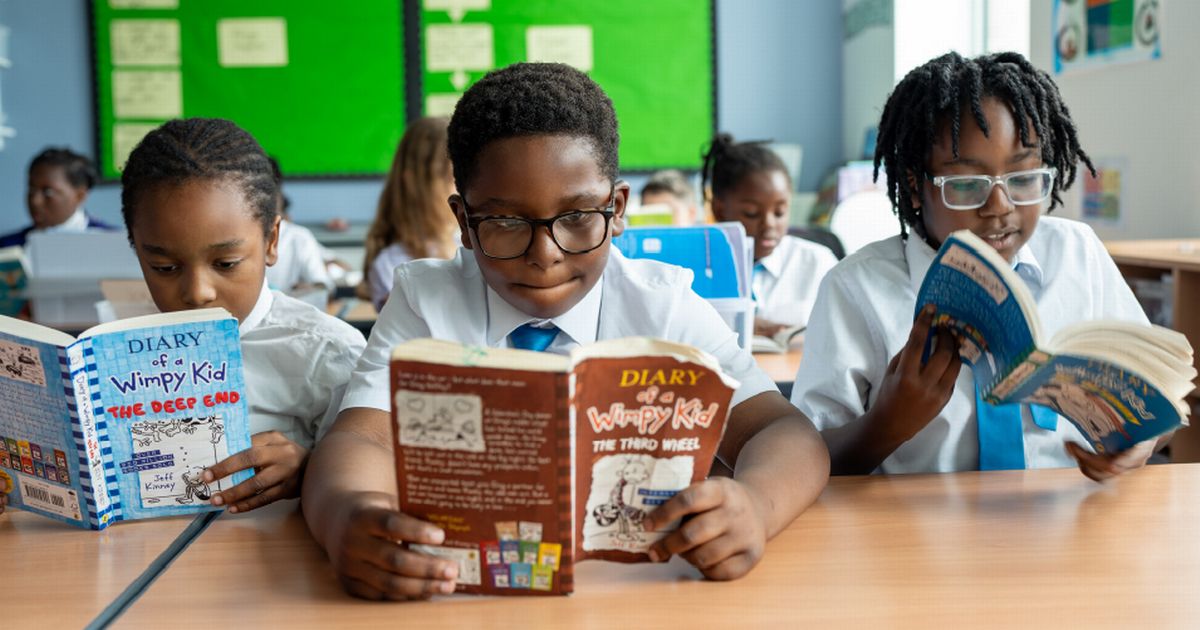
The Department for Education has partnered with the National Literacy Trust to launch a nationwide initiative designating 2026 as the national year of reading. This campaign aims to address concerning trends identified by the trust, which show that only about one-third of children currently enjoy reading, compared to approximately half of children two decades ago.
The initiative comes amid growing concern about the UK’s vulnerability to coordinated disinformation campaigns. Blaise Metreweli, the new head of MI6, recently stated that the “front line is everywhere” when it comes to modern security threats, emphasizing that intelligence services must adapt to these evolving challenges.
“Mastery of technology must infuse everything we do,” Metreweli noted, highlighting the importance of technical literacy in countering sophisticated digital threats. “We must be as comfortable with lines of code as we are with human sources, as fluent in Python as we are in multiple languages.”
Last year, Phillipson announced plans to introduce a new reading test for Year 8 students as part of efforts to address literacy concerns. However, this proposal has faced resistance from teaching unions, including the National Education Union (NEU), whose general secretary Daniel Kebede has argued that “more mandatory tests are not the answer” to improving reading proficiency.
The link between literacy and national security represents a new dimension in educational policy discussions. Experts in both fields have increasingly recognized how critical thinking skills developed through reading help citizens evaluate information sources and recognize manipulation attempts—essential abilities in an era where foreign actors actively target democratic societies with misleading information.
The decline in reading enjoyment among children is attributed to various factors, including the growing dominance of digital media, shortened attention spans, and competition from social media platforms designed to capture young people’s attention through algorithms and instant gratification mechanisms.
Security analysts have noted that this educational challenge comes at a particularly concerning time, as the UK faces what officials describe as a “tsunami of disinformation and propaganda” specifically designed to undermine public trust in government institutions and destabilize society.
As the 2026 national year of reading approaches, education and security officials will be working to develop strategies that not only improve literacy rates but also equip young people with the specific critical analysis skills needed to navigate an increasingly complex information landscape.
Fact Checker
Verify the accuracy of this article using The Disinformation Commission analysis and real-time sources.

11 Comments
Declining reading rates are quite worrying, especially when it comes to national security implications. Disinformation can be so insidious, it’s vital that kids learn how to spot fake news and manipulative tactics used by hostile actors online.
Agreed. Strong reading comprehension and critical thinking skills are the best defense against being misled by disinformation. Investing in education to build these capabilities should be a top priority.
This is a concerning trend. Declining reading rates among young people could indeed leave them more vulnerable to the spread of disinformation. Bolstering critical thinking and verification skills in schools is crucial.
I concur. Teaching students how to think critically about online content and spot manipulative tactics is essential. Proactive measures to strengthen media literacy are needed to protect our youth.
This is certainly concerning. Developing critical media literacy skills from a young age is crucial to protecting our youth from disinformation campaigns. We need to ensure our education system is equipping children with the tools to think critically and verify information sources.
Declining reading comprehension is a worrying development, especially given the security implications highlighted. Robust media literacy education is clearly needed to empower young people to navigate the online landscape safely.
The Education Secretary makes a compelling case. Declining reading habits among young people could indeed heighten their vulnerability to sophisticated disinformation tactics. Investing in media literacy education is a prudent step to safeguard our national security.
The Education Secretary raises an important point. With the growing sophistication of foreign disinformation campaigns, fostering strong media literacy in our children is vital for national security. This issue deserves urgent attention.
This is a concerning trend that requires a proactive response. Equipping children with the skills to critically evaluate online information and spot disinformation tactics should be a top priority for our education system.
Absolutely. Developing robust media literacy from an early age is essential to building national resilience against foreign disinformation campaigns. The stakes are high, and we must act decisively.
Interesting article. The rising threat of foreign disinformation campaigns is alarming. Equipping children with the right media literacy skills to navigate the online world seems like a sensible approach to enhance national resilience.