


Listen to the article
The political tensions in Hungary have escalated as the ruling Fidesz party and the emerging opposition Tisza party trade accusations of disinformation campaigns ahead of the crucial April 12 parliamentary elections.
Tamás Deutsch, the leading Fidesz lawmaker in the European Parliament, has accused the Tisza party of spreading false information as part of what he characterizes as foreign interference in Hungary’s democratic processes.
“As part of this serious interference, the pro-Ukrainian and pro-Brussels Tisza party is spreading disinformation through sympathetic media outlets in Brussels and Hungary,” Deutsch told POLITICO in a statement that underscores the increasingly hostile rhetoric between the political rivals.
Deutsch emphasized that the Hungarian government would resist external pressure, stating, “Hungary and its government will not accept pressure or interference in its democratic processes and will do their utmost to stand up for the interests of the Hungarian people.”
The accusation comes amidst growing concerns about potential smear campaigns targeting opposition candidates. With the deadline for registering candidates now passed, electoral rules prevent parties from replacing names on their lists. This timing creates a vulnerable situation for the opposition, according to political analysts following the campaign.
Political strategists suggest Fidesz may now focus on targeting individual Tisza candidates in the 106 constituencies, attempting to force their withdrawal without the possibility of replacement – a tactic that could significantly impact the opposition’s electoral chances.
A representative from Tisza, identified as Tarr, expressed concern about the ruling party’s potential tactics: “There are some people who have had certain issues in their lives in the past. Nothing criminal, but perhaps they had a company that had to be closed down, or they went through a divorce, or something similar. These things then can be used as hooks to try to infiltrate the psyche of the candidate, creating false narratives around them.”
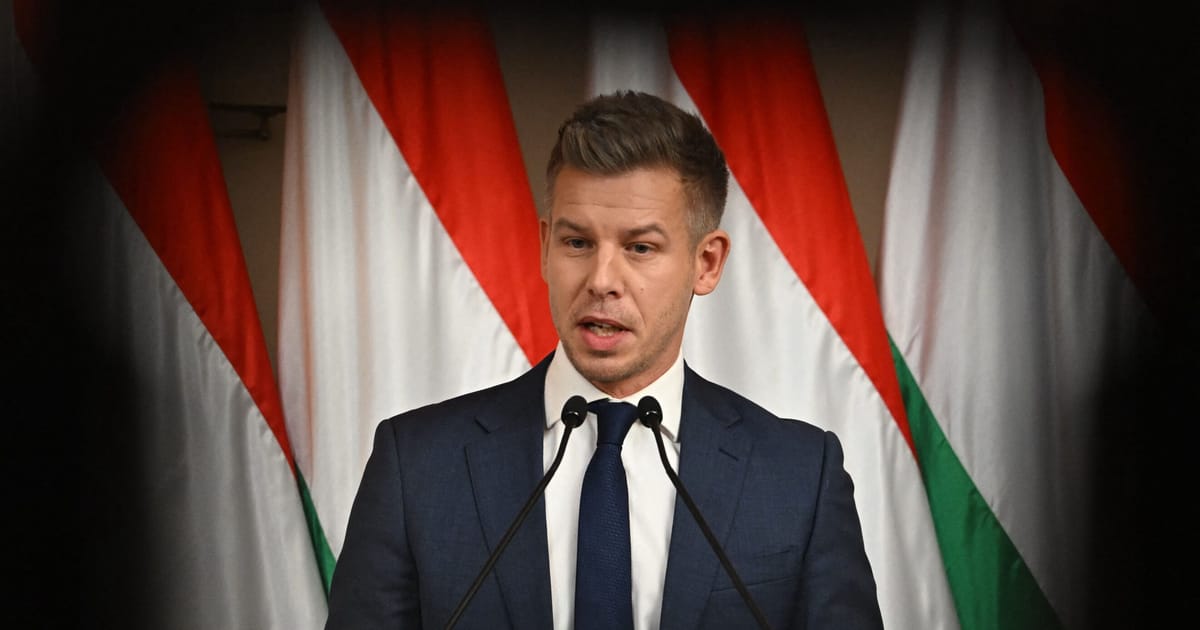
Péter Magyar, the prominent opposition figure who recently emerged as a challenger to Prime Minister Viktor Orbán’s long-standing dominance, has warned that a targeted campaign against Tisza candidates is imminent. Specifically, Magyar alleges that a campaign will be launched against Orsolya Miskolczi, who is running as a candidate for the fifth district in Pest.
While Magyar has not provided specific details about the nature of this alleged upcoming campaign, Kontroll – a media platform with connections to Tisza and whose publisher is reportedly Magyar’s brother – has suggested that Fidesz will attempt to link Miskolczi to a high-profile corruption scandal involving the Hungarian National Bank. Miskolczi’s husband previously worked at the institution as a legal advisor, providing a potential angle for such allegations.
The escalating rhetoric reflects the high stakes of the upcoming election, which represents a significant challenge to Fidesz’s political dominance. Orbán’s party has governed Hungary continuously since 2010, implementing controversial policies that critics argue have undermined democratic institutions and the rule of law.
The European Union has repeatedly expressed concerns about Hungary’s democratic backsliding under Orbán’s leadership, with the country facing several ongoing Article 7 procedures – the EU’s mechanism for addressing potential violations of core values by member states.
As the election approaches, international observers and democratic watchdogs will be closely monitoring the campaign environment, particularly regarding media freedom, electoral fairness, and potential intimidation tactics against opposition candidates.
The developments highlight the polarized nature of Hungarian politics and the challenges facing opposition movements in a media landscape and institutional environment that many international observers consider increasingly tilted in favor of the ruling party.
Fact Checker
Verify the accuracy of this article using The Disinformation Commission analysis and real-time sources.

9 Comments
As someone with a keen interest in the mining and energy sectors, I’ll be watching this situation unfold with a critical eye. It’s important to separate fact from fiction and ensure the democratic process is upheld.
The mining and energy sectors are often hotbeds for geopolitical tensions and disinformation. It’s important to approach these stories with a critical eye and try to understand the various perspectives and interests at play.
Absolutely. Verifying the facts and understanding the nuances of these complex situations is crucial. Maintaining an objective and impartial stance is key.
Allegations of foreign interference in domestic elections are always concerning. I’ll be following this story closely to see how it unfolds and what the final outcome is for the Hungarian people.
Interesting developments in the Hungarian election. It’s concerning to hear allegations of foreign interference and disinformation campaigns, especially when they come from opposing political parties. I hope the democratic process can play out transparently and fairly for all candidates.
The mining and energy industries are often rife with geopolitical tensions and disinformation campaigns. I hope the truth can be uncovered and the integrity of the Hungarian election can be preserved.
I’m curious to learn more about the specific allegations and evidence surrounding the claimed disinformation campaign. It’s important to get a full understanding of the situation before drawing any conclusions.
Agreed. Transparency and accountability from all sides will be critical in ensuring the integrity of the electoral process.
The mining and energy sectors are often intertwined with geopolitics, so it’s not surprising to see these kinds of allegations surfacing. I hope the truth can be uncovered and the democratic process can proceed unimpeded.