


Listen to the article
Disinformation Sparked Protests Over Capulana Distribution in Mozambique, Officials Say
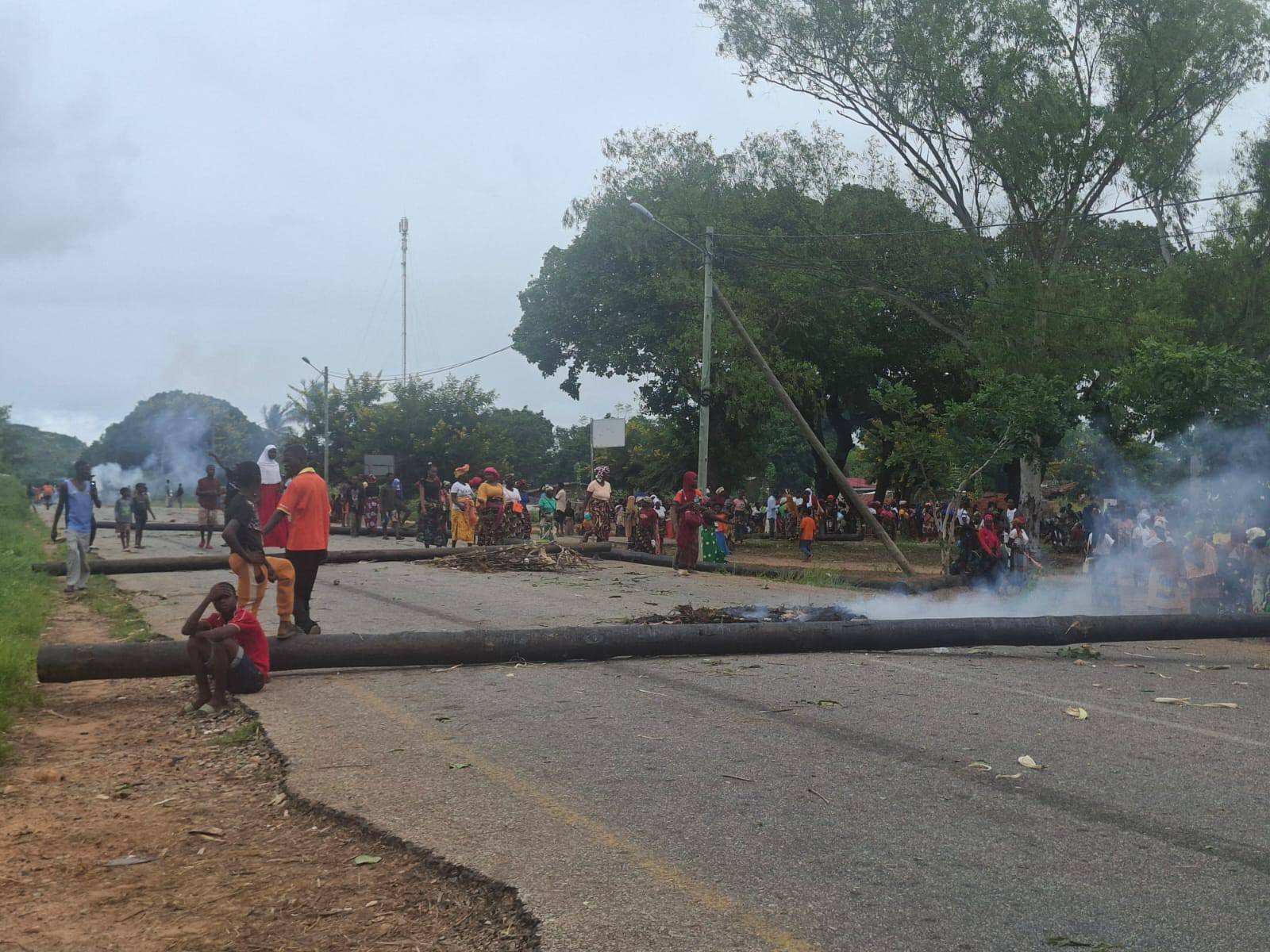
Provincial officials in Mozambique’s Nampula province have attributed Saturday’s demonstrations to misinformation regarding the distribution of traditional cloth, known locally as capulanas. The protests, which involved women blocking sections of National Road 1, resulted from confusion over the timeline of a distribution program promised in connection with Mozambican Women’s Day celebrations.
“We received information about demonstrations in Anchilo and later in Napipine linked to a distribution of capulanas, but according to the information we obtained from authorities, this was due to disinformation,” said Plácido Pereira, Secretary of State for Nampula province, during comments to journalists on the sidelines of Easter celebrations.
The protests erupted when groups of women expected to immediately receive capulanas that had been promised by Mozambique’s First Lady, Gueta Chapo, during an announcement in early February. The traditional cloth was to be distributed as part of celebrations for Mozambican Women’s Day, observed annually on April 7.
Pereira explained that the distribution was designed as a gradual process rather than an immediate handout. “People were expecting to receive these promised capulanas, but there was disinformation. It is a process that is ongoing, the distribution of these capulanas, and probably these people expected to receive them yesterday, which did not happen,” he said.
Provincial authorities have not confirmed reports from the non-governmental organization Plataforma Decide that claimed a woman was shot and a 13-year-old boy was run over during police interventions to disperse the protesters. The NGO has called for an independent investigation into police conduct during the demonstrations, raising concerns about the proportionality of force used and respect for human rights.
The capulana holds deep cultural significance in Mozambican society, particularly for women. These colorful pieces of cloth, similar to sarongs, are used as wraparound skirts, head coverings, and baby carriers, and are often gifted during important celebrations. The distribution of capulanas by government officials has become a tradition during national holidays, especially those celebrating women.
April 7 is celebrated as a national holiday in Mozambique, commemorating the death of Josina Machel in 1971. Machel is revered as a historical figure who played a crucial role in mobilizing women during Mozambique’s struggle for independence from Portuguese colonial rule. The holiday highlights women’s contributions to the nation’s development and independence.
Despite the protests, Pereira assured the public that the situation in the province remains calm. “The province is calm in this regard because, based on the information we have about the capulanas, this is a process that will continue and does not end on April 7. It is a process that will proceed afterwards,” the official emphasized.
The incident highlights the challenges of government communication in rural areas of Mozambique, where information can be misconstrued or incompletely conveyed to communities. It also demonstrates the importance of capulanas as both cultural artifacts and political symbols in Mozambican society.
Nampula province, located in northern Mozambique, is the country’s most populous province and has experienced political tensions in recent years. The region has been struggling with security challenges, including an insurgency in neighboring Cabo Delgado province, which has occasionally affected parts of Nampula.
Government officials have not indicated whether they will adjust their distribution methods following these protests or implement new communication strategies to prevent similar misunderstandings in the future.
Fact Checker
Verify the accuracy of this article using The Disinformation Commission analysis and real-time sources.

13 Comments
The Mozambican government’s response to these protests will be important to watch. They’ll need to take steps to address the underlying misinformation and communication issues that led to this situation, while also working to rebuild trust with the local community. Transparency and a commitment to cultural preservation will be key.
Absolutely. The government’s ability to learn from this experience and implement meaningful changes will be crucial in preventing similar issues down the road.
It’s concerning to see protests erupt over something as seemingly innocuous as the distribution of traditional cloth. This highlights the broader issue of how misinformation and miscommunication can escalate tensions, even around cultural events. Hopefully the government can learn from this experience and improve their outreach and transparency going forward.
I agree, the government’s response will be critical in preventing future incidents like this. Improved communication and efforts to counter disinformation will be key.
I’m curious to learn more about the cultural significance of the capulana in Mozambique and why its distribution is tied to Women’s Day celebrations. This seems like an important tradition that deserves to be honored and communicated properly.
That’s a great question. Understanding the cultural context is key to avoiding misunderstandings around events like this. It would be helpful to have more details on the history and meaning of the capulana to Mozambican women.
The Mozambican government’s acknowledgment of the role of disinformation in these protests is a positive step, but they’ll need to go further to address the root causes and ensure better coordination and transparency around cultural events like this in the future.
Agreed. Rebuilding trust with the local community will be critical, and that will require a sustained effort to improve communication and counter misinformation.
This situation underscores the need for governments to be proactive in their communication, especially around issues that are culturally significant to local communities. Misinformation can spread rapidly and have real consequences, as we’ve seen here with the capulana protests.
This is an interesting case of how misinformation can fuel public unrest, even over something as seemingly mundane as the distribution of traditional cloth. It highlights the importance of clear communication from authorities to avoid confusion and potential conflict.
You raise a good point. Transparency and timely updates from the government could have prevented this situation from escalating.
This is a concerning example of how misinformation can quickly escalate into real-world unrest, even over something as seemingly innocuous as the distribution of traditional cloth. It highlights the need for governments to be proactive in their communication and to work closely with local communities to avoid these types of issues.
Disinformation can be a real challenge, especially when it comes to issues that have strong emotional resonance for local communities. The government’s acknowledgment of the role of misinformation in these protests is a positive step, but they’ll need to do more to rebuild trust and prevent similar issues in the future.