


Listen to the article
President Marcos Urges Media to Combat Disinformation, Calls Rising Fake News “Damaging”
President Ferdinand Marcos Jr. has issued a pointed appeal to the Philippine media to assist his administration in fighting the spread of disinformation, expressing concern over what he described as “crazy conspiracy theories” gaining traction online.
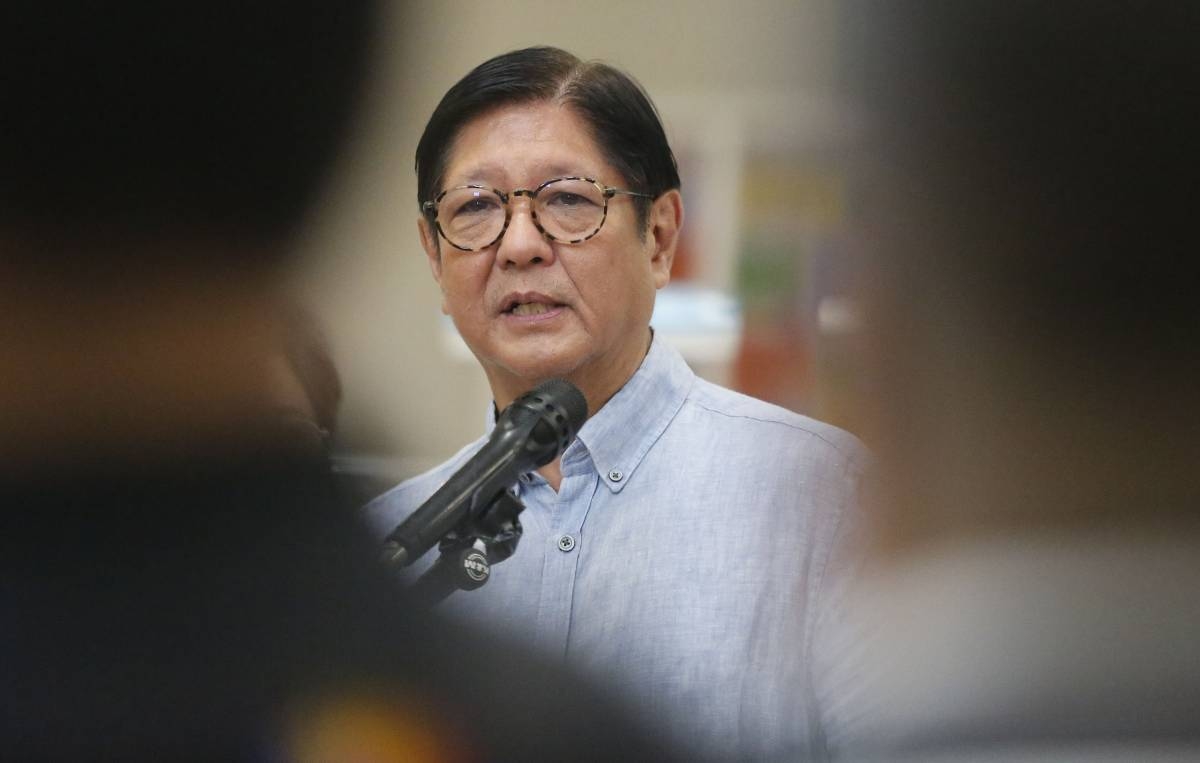
During a year-end fellowship with members of the Malacañang Press Corps, Malacañang Cameramen Association, and Presidential Photojournalists Association on December 3, Marcos acknowledged the critical role journalists play in translating complex government policies to the public.
“You have been there to help us, to explain and make people understand what we are trying to do. We need to continue to do that because we owe it to everyone,” Marcos told the assembled media professionals. He emphasized that the average citizen is primarily concerned with everyday matters rather than structural changes or ideological concepts.
The President highlighted a growing challenge facing mainstream media—being increasingly drowned out by online content creators who prioritize engagement metrics over factual reporting. He expressed particular concern about the prevalence of “clout chasing” and “rage baiting” tactics that have become common in digital spaces.
“We really have to work on this very, very hard because it has taken too much of the space. Fake news has taken too much space,” Marcos stated. His comments reflect mounting concern within the administration about the impact of misinformation on public discourse and government initiatives.
What began as seemingly harmless entertainment has evolved into something more problematic, according to the President. “In the beginning, we thought it was funny, it was entertaining, but now it’s become damaging. And that is something that we have to be concerned about. And that’s why I’m saying, we need your help.”
Media experts note that the Philippines has experienced a significant surge in online misinformation in recent years. The country’s high social media usage rates—with over 76 million active users spending an average of four hours daily on social platforms—make it particularly vulnerable to digital disinformation campaigns.
The President called for a collaborative approach between government and media to promote more discerning media consumption among citizens. “Government needs the help of all the media to try and explain to people that you have to be more discerning about what you read and what you believe and what you take on,” he said.
Marcos characterized this as a substantial challenge but expressed confidence that strengthened cooperation between the Presidential Communications Office and mainstream media outlets could effectively counter online falsehoods with fact-based reporting.
The appeal comes amid growing concerns about the global impact of disinformation on democratic processes. According to a recent UNESCO report, the Philippines ranks among countries most affected by organized disinformation campaigns, particularly during election periods.
“It is important that people know the truth; the people know what is happening truly; that the people are not led into these crazy mind games people have been playing without any connection anymore to reality,” Marcos emphasized.
Media organizations in the Philippines have increasingly implemented fact-checking initiatives and media literacy programs in response to the proliferation of fake news. Several major news outlets have established dedicated verification units to combat viral misinformation.
Looking ahead, the President expressed optimism about the partnership between his administration and the media, which he said has been cultivated over the past three and a half years. “Let us make it even stronger because we now are faced with the challenge that we have to work together to address,” he concluded.
As digital misinformation continues to evolve in sophistication and reach, the administration’s call for media partnership signals recognition of traditional journalism’s vital role in maintaining an informed citizenry amid the noise of the digital information landscape.
Fact Checker
Verify the accuracy of this article using The Disinformation Commission analysis and real-time sources.

8 Comments
Interesting to see the Philippine president calling on media to combat disinformation. Tackling the spread of conspiracy theories online is a complex challenge that many countries are grappling with.
Interesting to see the Philippine leader recognizing the media’s importance in a digital age where alternative facts can spread rapidly. Tackling this challenge will require a nuanced approach.
I agree, the rise of alternative media sources that prioritize engagement over facts is a worrying trend. Maintaining the public’s trust in quality journalism is crucial for a healthy democracy.
You raise a good point. The media has an important role to play in sifting through the noise and providing citizens with reliable, fact-based information.
While combating disinformation is a noble goal, I hope the president doesn’t try to exert too much control over the media. Independence and freedom of the press must be safeguarded.
That’s a valid concern. Any efforts to combat misinformation should not come at the expense of press freedoms and the ability to hold the government accountable.
The president’s acknowledgment of the media’s role in translating complex policies is appreciated. Clear communication is key, especially on issues that can be easily distorted online.
Curious to see how the Philippine media responds to this call to action. Effective strategies to counter disinformation will likely require a collaborative effort between government and the press.