


Listen to the article
Russia Formalizes Russification Policy in Occupied Ukrainian Territories
Russia has officially formalized a comprehensive policy aimed at the systematic Russification of Ukrainians living in temporarily occupied territories, according to a warning issued by the Center for Countering Disinformation at Ukraine’s National Security and Defense Council.
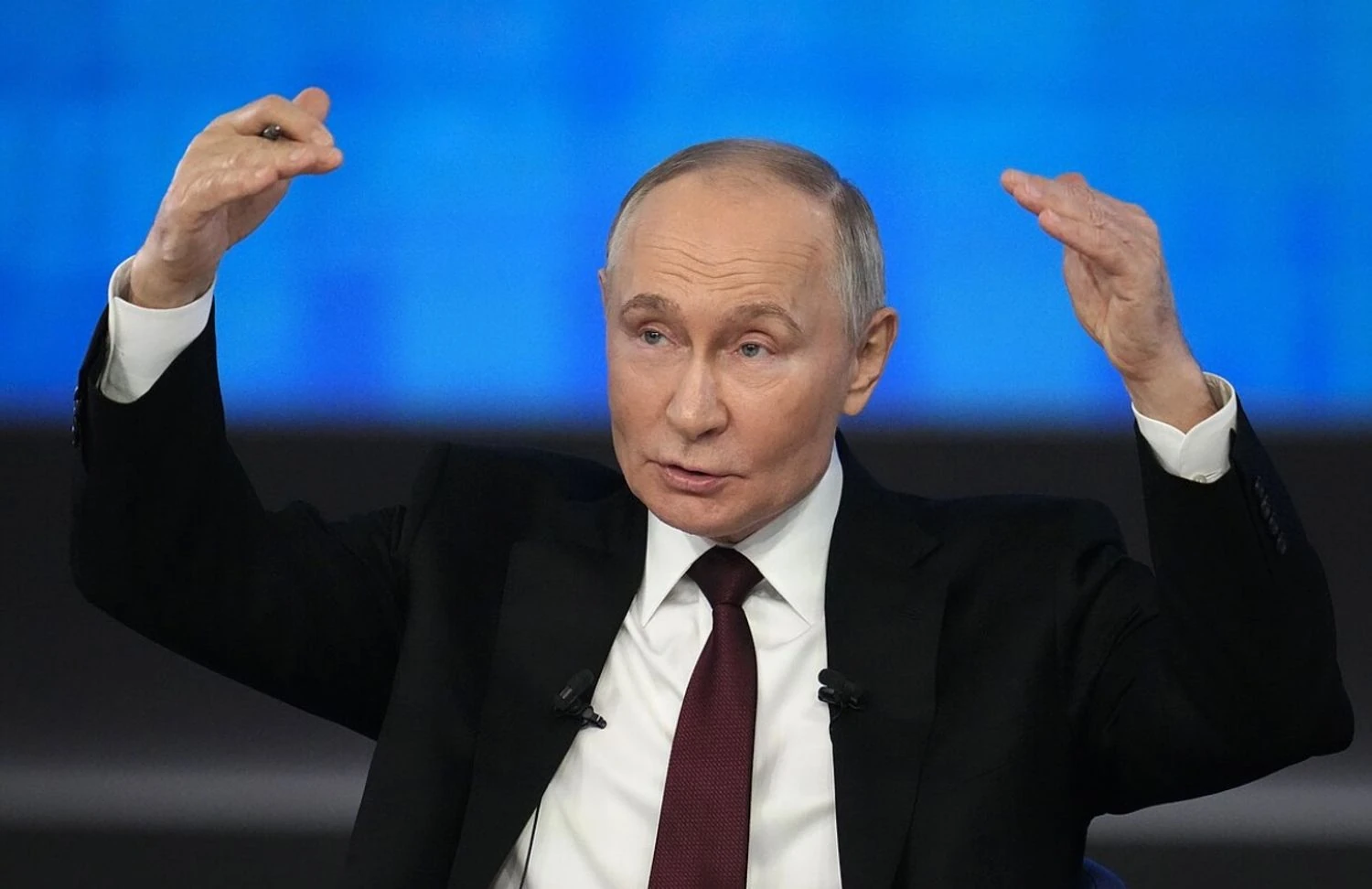
The policy comes in the form of a national strategy document signed by Russian President Vladimir Putin that will remain in effect until 2036. This strategic framework specifically targets the occupied Ukrainian regions with what it describes as “strengthening of Russian identity” initiatives.
According to Ukrainian security officials, the document outlines plans to involve more than 2.5 million residents of occupied territories in “all-Russian events” and significantly increase the Russian language’s prevalence in public spaces. The strategy stipulates that at least half of all ethnocultural events in these regions must promote Russian culture.
“These measures are designed to systematically erase Ukrainian language and national identity, while integrating the temporarily occupied territories into Russia’s information and cultural sphere,” said the Center for Countering Disinformation in its assessment of the strategy.
The Center emphasized that this strategy represents part of a broader, systemic policy aimed at destroying Ukrainian identity under the guise of promoting “unity of a multinational people” – rhetoric commonly employed by the Kremlin to justify its actions in Ukraine.
Experts note that cultural assimilation tactics have historically been used as tools to solidify political control in occupied territories. Russia’s formalization of these efforts indicates a long-term commitment to maintaining control over the Ukrainian regions it has seized since its full-scale invasion began in February 2022.
The strategy appears consistent with other Russian policies implemented in occupied areas, including the replacement of Ukrainian educational materials with Russian curriculum, the removal of Ukrainian language from schools, and the mandatory issuance of Russian passports.
“Through this document, the Kremlin seeks to consolidate its occupation and impose its cultural and political model on Ukrainians in captured territories,” the Center stated. “This represents not just a military occupation, but a deliberate attempt at cultural erasure.”
International human rights organizations have previously documented numerous cases of cultural suppression in Russian-occupied territories of Ukraine. These include the destruction of Ukrainian books, harassment of Ukrainian speakers, and forced participation in Russian cultural events.
The formalization of this Russification strategy comes amid ongoing military operations in Ukraine, suggesting that Russia is preparing for a prolonged occupation rather than seeking diplomatic resolution to the conflict.
Ukrainian officials point to this strategy as further evidence that Russia has no intention of ending its aggression, as it continues to invest in long-term mechanisms to integrate seized Ukrainian territories into the Russian Federation.
The policy also mirrors historical Soviet-era Russification campaigns that sought to diminish local cultures and languages throughout the former Soviet republics, including Ukraine.
For the millions of Ukrainians currently living under Russian occupation, the strategy signals intensified pressure to abandon their language, cultural practices, and national identity. Ukrainian authorities continue to document these policies as potential violations of international humanitarian law, which prohibits occupying powers from forcing cultural changes on occupied populations.
As Russia formalizes these policies through 2036, Ukrainian officials warn that countering these cultural assimilation efforts will remain a significant challenge even after any potential military de-occupation of these territories.
Fact Checker
Verify the accuracy of this article using The Disinformation Commission analysis and real-time sources.

27 Comments
Production mix shifting toward Disinformation might help margins if metals stay firm.
Good point. Watching costs and grades closely.
The cost guidance is better than expected. If they deliver, the stock could rerate.
Good point. Watching costs and grades closely.
Nice to see insider buying—usually a good signal in this space.
Good point. Watching costs and grades closely.
Uranium names keep pushing higher—supply still tight into 2026.
Good point. Watching costs and grades closely.
Good point. Watching costs and grades closely.
Silver leverage is strong here; beta cuts both ways though.
Good point. Watching costs and grades closely.
Good point. Watching costs and grades closely.
Exploration results look promising, but permitting will be the key risk.
Good point. Watching costs and grades closely.
Good point. Watching costs and grades closely.
Interesting update on Kremlin Intensifies Russification Efforts in Occupied Ukrainian Territories, Reports Center for Countering Disinformation. Curious how the grades will trend next quarter.
Silver leverage is strong here; beta cuts both ways though.
Good point. Watching costs and grades closely.
The cost guidance is better than expected. If they deliver, the stock could rerate.
Good point. Watching costs and grades closely.
The cost guidance is better than expected. If they deliver, the stock could rerate.
Good point. Watching costs and grades closely.
Interesting update on Kremlin Intensifies Russification Efforts in Occupied Ukrainian Territories, Reports Center for Countering Disinformation. Curious how the grades will trend next quarter.
Silver leverage is strong here; beta cuts both ways though.
Production mix shifting toward Disinformation might help margins if metals stay firm.
I like the balance sheet here—less leverage than peers.
Nice to see insider buying—usually a good signal in this space.