


Listen to the article
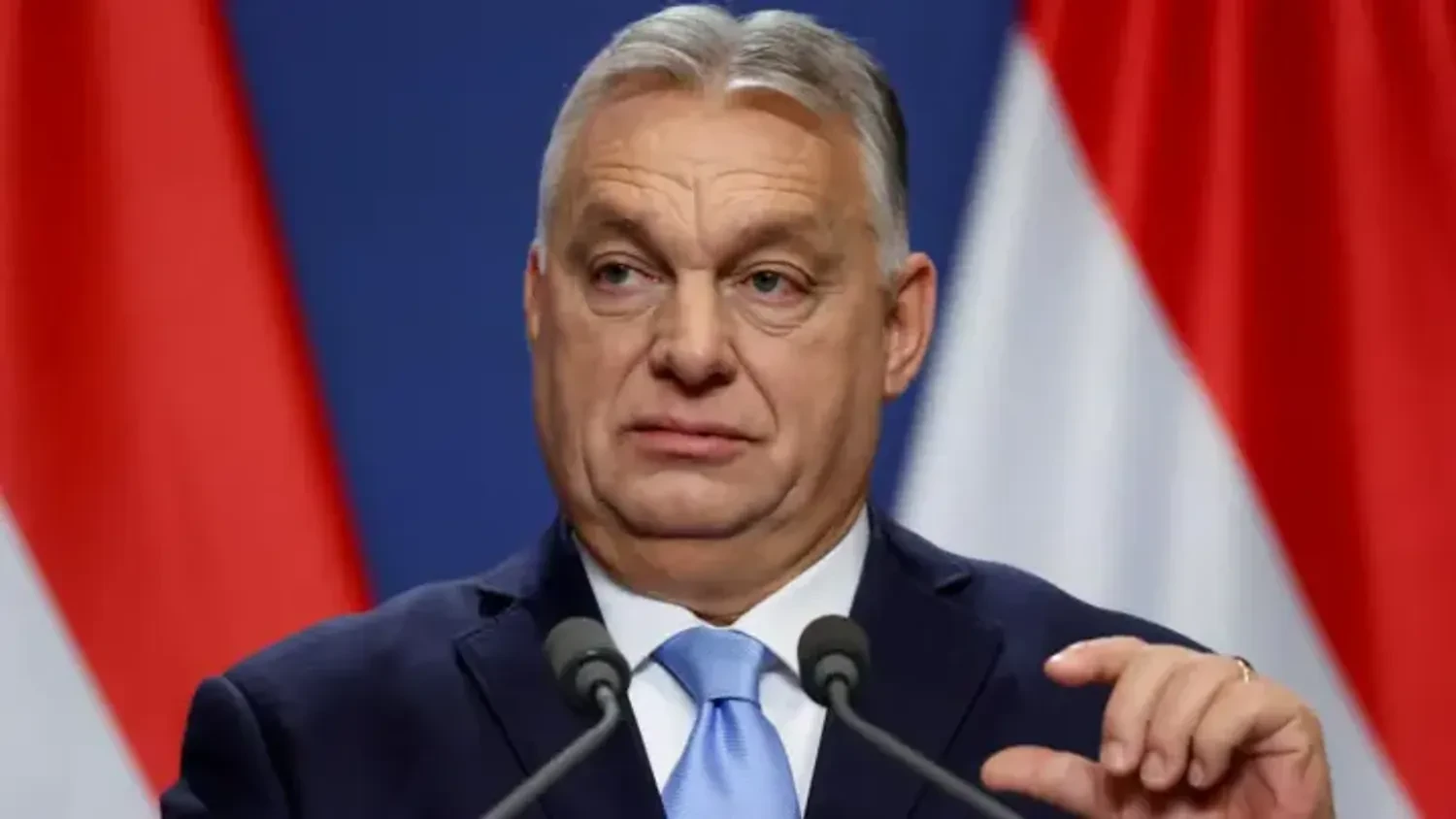
Russian intelligence is planning a covert disinformation campaign aimed at supporting Hungarian Prime Minister Viktor Orbán in upcoming parliamentary elections, according to a report published by the Financial Times and cited by the Moscow Times.
The campaign, allegedly approved by the Kremlin, comes as Orbán’s Fidesz party faces a significant challenge from the opposition Tisza party, which has maintained a substantial lead in opinion polls for months.
According to the report, the Russian presidential administration has endorsed a strategy developed by the Russian Agency for Social Design (ASP) that involves flooding Hungarian social networks with pro-Orbán propaganda disguised as content from local users and influential Hungarian figures.
The planned disinformation effort would utilize memes, infographics, videos, and short stories portraying Orbán as “the only candidate who can preserve Hungary’s sovereignty and communicates on equal terms with world leaders.” Simultaneously, the campaign aims to depict Péter Magyar, leader of the Tisza party, as a “puppet of Brussels” without international backing.
Current polling data aggregated by Politico indicates Orbán’s political vulnerability, with approximately 48% of voters supporting the Tisza party compared to 39% for Fidesz. This 10-percentage-point gap has remained relatively stable since summer 2025, suggesting a potential end to Orbán’s 16-year hold on power.
The ASP, which would spearhead the operation, has already been placed under Western sanctions for previous election interference. In 2024, the U.S. Department of Justice implicated the agency in “Operation Doppelganger,” a campaign that created fake regional media websites to disseminate pro-Russian and anti-Ukrainian content.
According to the report, Russian operatives have altered their tactics for this intervention. Rather than directly creating fake news outlets, they plan to promote pro-Kremlin narratives through existing influential figures in Hungary. To minimize potential backlash, campaign organizers reportedly avoided direct contact with the Hungarian government, instead planning to establish connections with local influencers through intermediaries.
The propaganda strategy also reportedly aims to emphasize Orbán’s personal relationship with former U.S. President Donald Trump, portraying the Hungarian leader as a key partner to Washington despite his well-documented close ties to Moscow.
Orbán faces mounting domestic challenges after his lengthy tenure. Hungary’s economy has stagnated, inflation remains problematic, and corruption scandals have repeatedly implicated the prime minister’s associates. These factors have contributed to his declining popularity and the rise of Magyar’s Tisza party as a viable alternative.
This isn’t Moscow’s first attempt to bolster Orbán publicly. In August 2025, the Russian Foreign Intelligence Service claimed the European Commission was considering a “regime change in Budapest” and supporting Magyar for prime minister—assertions that align with classic Russian disinformation tactics of portraying legitimate democratic processes as foreign interference.
The revelation comes amid broader concerns about Russian interference in European politics, particularly in countries where populist leaders have shown sympathy toward the Kremlin’s positions. Hungary under Orbán has repeatedly blocked or delayed European Union initiatives supporting Ukraine and implementing sanctions against Russia.
The European Union is reportedly developing contingency plans to support Ukraine even if Hungary continues its obstructionist approach. According to Politico, the EU has formulated strategies to circumvent Hungarian vetoes on a €90 billion loan package intended to aid Ukraine’s defense against Russian aggression.
Election interference experts warn that such disinformation campaigns could become increasingly sophisticated as artificial intelligence tools make creating and distributing convincing fake content easier and more efficient.
Fact Checker
Verify the accuracy of this article using The Disinformation Commission analysis and real-time sources.

7 Comments
Disinformation efforts targeting elections are deeply troubling. As an impartial observer, I’m curious to see how this story develops and whether the alleged Russian campaign is confirmed. Transparency and accountability are essential for fair and free elections.
I agree. It’s critical that election authorities and international observers closely monitor the situation to ensure the integrity of the electoral process in Hungary. Maintaining public trust is crucial for the health of democracy.
This is concerning news, if true. The Kremlin’s alleged attempt to interfere in Hungary’s elections through disinformation is a serious threat to democracy. Voters deserve access to factual, unbiased information to make informed decisions.
As an investor in mining and energy companies, I’m closely watching this situation. Geopolitical tensions and regulatory uncertainty can significantly impact commodity markets and related equities. It’s crucial to stay informed on these developments.
Absolutely. Disinformation campaigns can distort the investment landscape and create volatility. Careful analysis of the political and regulatory environment is key when evaluating opportunities in the mining and energy sectors.
The mining and energy sectors are closely tied to geopolitics, so developments like this can have significant implications. I’ll be following this story closely to understand how it may impact commodity markets and related investments.
This news highlights the growing threat of foreign interference in democratic elections. While the Kremlin’s alleged involvement is concerning, I hope Hungary’s voters will be able to make their own informed choices at the ballot box.