


Listen to the article
Russia Accused of Covert Campaign to Boost Orbán in Hungarian Elections
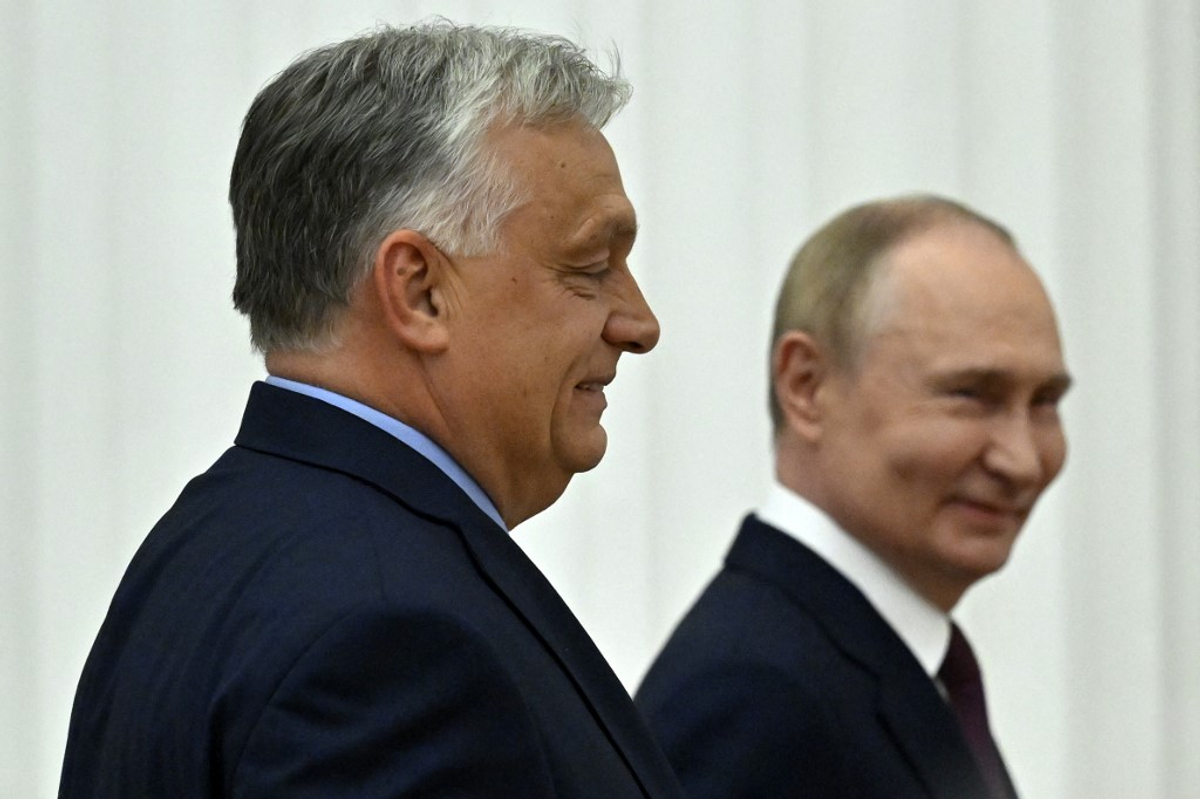
Russian operatives are allegedly orchestrating a sophisticated disinformation campaign designed to secure Hungarian Prime Minister Viktor Orbán’s re-election next month, according to sources familiar with the operation cited by the Financial Times.
The campaign, reportedly approved by Russian President Vladimir Putin himself, involves flooding Hungarian social media with pro-Orbán messaging crafted by the Kremlin-linked Social Design Agency. This consultancy was sanctioned earlier this year by Western governments for its role in the “Doppelgänger” operation that spread fake news and deepfakes targeting Ukraine and Western nations.
According to documents reviewed by the Financial Times, the strategy frames Orbán as a “strong leader with global friends” capable of protecting Hungary’s sovereignty. Meanwhile, his main political rival, opposition leader Péter Magyar of the emerging Tisza Party, is portrayed as a “Brussels puppet” lacking international backing.
The operation appears timed to influence Hungary’s parliamentary election scheduled for April 12, where Magyar’s Tisza Party has emerged as Orbán’s strongest challenger. The documents outline plans for “information attacks” against the opposition, attempting to portray them as divided and manipulated by the European Union.
What distinguishes this alleged influence campaign is its design to appear organic rather than overtly connected to Moscow. Russian consultants reportedly studied Hungarian media extensively, identifying dozens of pro-government and opposition figures whose content could be leveraged to amplify Kremlin-approved narratives.
Both Moscow and Budapest have issued strong denials. Kremlin spokesman Dmitry Peskov dismissed the report as based on “a fake,” while the Hungarian government characterized it as a baseless “left-wing accusation.”
The allegations come amid escalating tensions between Hungary and Ukraine. Orbán, who has maintained closer ties with Russia than other EU leaders, has repeatedly obstructed EU initiatives supporting Ukraine throughout the war. Most recently, he vetoed a proposed €90-billion EU loan package intended for Kyiv.
Energy politics has further complicated the relationship. After Ukraine reported that infrastructure linked to the Druzhba oil pipeline was damaged in a Russian strike earlier this year, disrupting deliveries to Central Europe, Orbán accused Kyiv of deliberately blocking Russian oil flows to Hungary. He subsequently threatened to veto further EU measures supporting Ukraine.
Hungary’s position within the European Union has grown increasingly isolated under Orbán’s leadership. His government has faced criticism for democratic backsliding and has frequently aligned with Moscow on key issues, positioning itself as a contrarian voice within EU and NATO deliberations regarding support for Ukraine.
Political analysts note that this alleged Russian interference fits a pattern of Kremlin efforts to influence elections throughout Europe and North America, particularly in support of leaders who might take more accommodating positions toward Russia or create division within Western alliances.
The Social Design Agency’s apparent involvement is particularly significant. The organization has been linked to numerous disinformation operations across Europe, employing increasingly sophisticated techniques to mask the Russian origin of content while maximizing its reach and impact on target populations.
If confirmed, this operation would represent one of the most direct attempts by Russia to influence an upcoming European election since the full-scale invasion of Ukraine began in February 2022, suggesting the Kremlin continues to view information warfare as a critical tool in its broader geopolitical strategy despite international sanctions and condemnation.
For Hungarian voters preparing to cast their ballots next month, the allegations raise concerning questions about the authenticity of information they encounter online and the extent to which foreign actors may be attempting to shape their democratic process.
Fact Checker
Verify the accuracy of this article using The Disinformation Commission analysis and real-time sources.

5 Comments
This is a complex situation, and I don’t have a strong opinion on the merits of the accusations. However, I hope all parties involved will prioritize the integrity of the democratic process and respect the will of the Hungarian people.
This is a concerning report. If true, it shows Russia’s continued efforts to interfere in democratic processes abroad. Orbán’s close ties to Putin are well known, so this disinformation campaign is not surprising. However, I hope Hungarian voters can see through these tactics and make their own informed choices.
I’m curious to see how this story develops. It’s important to carefully examine the evidence and sources before drawing conclusions. Disinformation campaigns can be challenging to counter, but an informed and engaged electorate is key to protecting democratic integrity.
While the reports of Russian interference are troubling, I think it’s important to maintain a critical and impartial perspective. The evidence and implications deserve careful scrutiny before drawing firm conclusions. Transparent and fair elections are essential for any democracy.
Allegations of foreign meddling in elections are always serious. While I don’t have enough information to assess the validity of these claims, the reported involvement of a Kremlin-linked agency is concerning. Transparency and independent oversight will be crucial in the lead-up to the Hungarian vote.