


Listen to the article
Supreme Court Rules Congressional Hearings on Disinformation Did Not Violate Vloggers’ Free Speech Rights
The Supreme Court of the Philippines has determined that the House of Representatives did not infringe upon vloggers’ freedom of expression when it invited them to participate in a congressional inquiry focused on disinformation. The ruling, authored by Associate Justice Amy Lazaro Javier, was made public on Thursday, November 13.
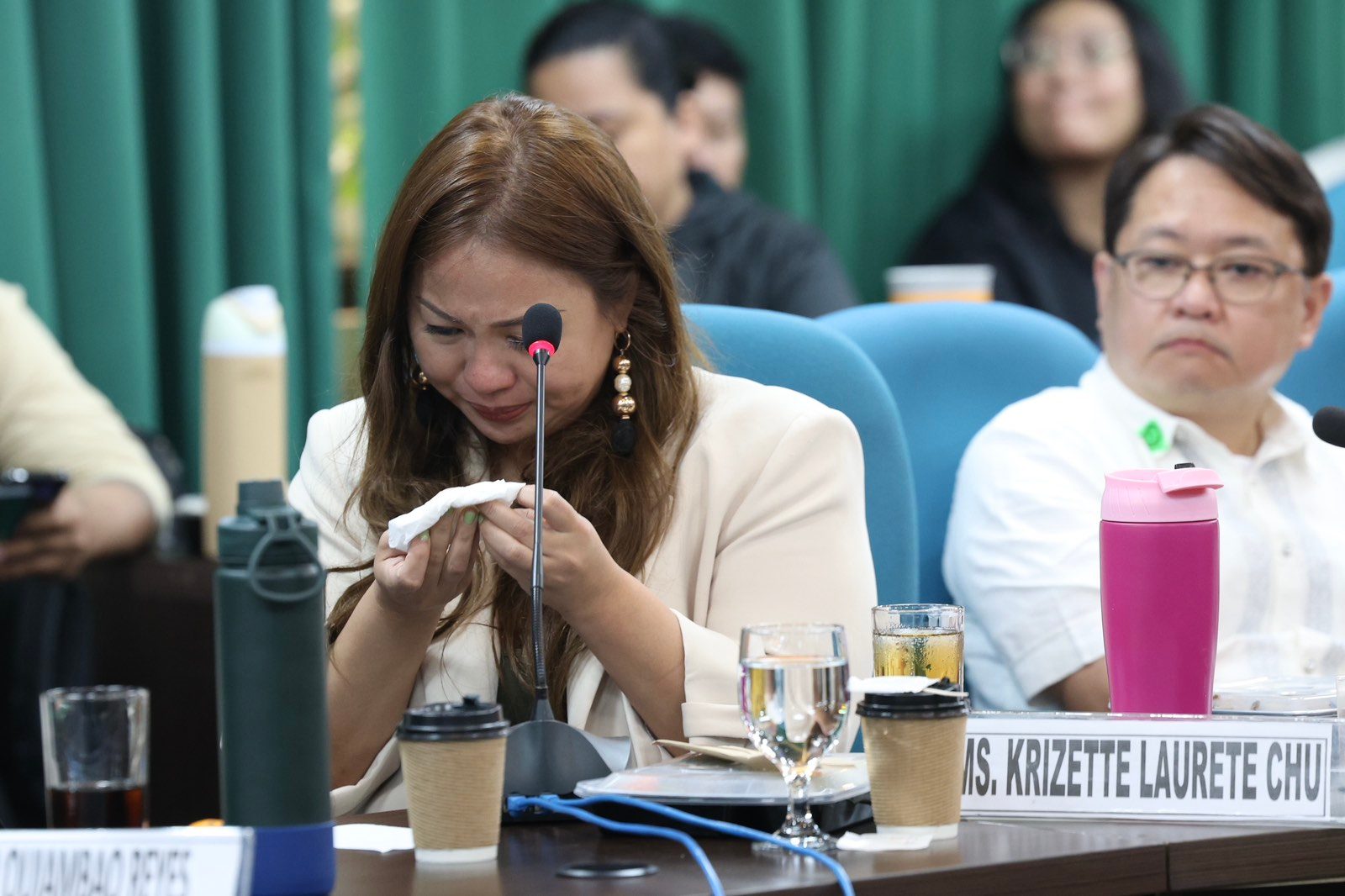
In its decision, the Court dismissed a petition filed by Ernesto Abines Jr. and other vloggers who had sought to halt their required attendance at hearings conducted by a tri-committee on public order and safety, information and communications technology, and public information.
“Simply inviting the vloggers as resource persons did not violate their freedom of expression. The invitation did not regulate what they said or how they expressed themselves,” the Supreme Court explained in its ruling. “Congress, as part of its functions, only wanted to gather information for crafting laws, not to punish anyone for spreading ‘fake news’ or to suppress speech.”
The High Court emphasized that legislative bodies cannot be prohibited from inviting resource persons to hearings merely because the subject matter involves speech. It noted that Congress has constitutional authority to create legislation that penalizes forms of speech not protected under the 1987 Constitution, “such as those that create disorder or threaten society.”
Article III, Section 4 of the Philippine Constitution guarantees freedom of speech and expression, stating: “No law shall be passed abridging the freedom of speech, of expression, or of the press, or the right of the people peaceably to assemble and petition the Government for redress of grievances.”
The Court further stated that Congress possesses “broad authority to regulate matters for the common good” and acted within its mandate when conducting these inquiries. However, it clarified that this investigative power is not unlimited and must be exercised “in aid of legislation,” follow published procedural rules, and respect the rights of all participants.
Despite upholding the legality of the hearings, the Supreme Court did criticize the conduct of some lawmakers, noting that certain questioning of the vloggers was “unduly harsh or demeaning.” The Court emphasized that resource persons are entitled to constitutional protections and should be treated with courtesy and respect during legislative proceedings.
In a separate concurring opinion, Senior Associate Justice Marvic Leonen noted that the petition had become moot due to the inquiry’s conclusion. He agreed that the legislative investigation was conducted with a valid purpose—specifically addressing “the proper regulation against the proliferation of false information online.”
The House initiated its hearings on online disinformation in February, inviting approximately 40 vloggers, many of whom are known supporters of former president Rodrigo Duterte. The invitees included former broadcaster Jay Sonza, bloggers Sass Rogando Sasot and Mark Anthony Lopez, commentator Lord Byron Cristobal (known as “Banat By”), former press secretary Trixie Cruz-Angeles, and Lorraine Marie Tablang Badoy, who has been accused of “red-tagging” individuals.
The Court also addressed former Representative Robert Ace Barbers’ privilege speeches, which had raised concerns about a group allegedly spreading misinformation and coordinating attacks against officials. Barbers had labeled them as “paid trolls” and “malicious vloggers.” The Court determined that these speeches did not violate the petitioners’ freedom of expression, as they were delivered in Barbers’ official capacity and addressed “a serious social problem—the deliberate spread of misinformation that harms not only public officials, but also ordinary citizens.”
This ruling comes amid growing global concerns about the impact of online disinformation on democratic processes and public discourse, with the Philippines being particularly affected by the proliferation of false information across social media platforms.
Fact Checker
Verify the accuracy of this article using The Disinformation Commission analysis and real-time sources.

8 Comments
I’m skeptical of overly broad crackdowns on online speech, but I also recognize the serious threat that organized disinformation poses to democratic discourse. Hopeful the hearings strike the right balance.
Well said. It’s a nuanced issue without easy answers. Constructive dialogue and fact-based solutions will be key to addressing this challenge effectively.
Interesting development on the disinformation probe. While protecting free speech is crucial, I’m curious to learn more about how Congress plans to address the spread of misinformation online without infringing on rights.
Glad to see the court recognize that merely inviting vloggers to testify does not automatically violate their free speech. Curious to learn more about the specific allegations and evidence discussed during the hearings.
The ruling seems reasonable – Congress should be able to gather information, but must be careful not to censor legitimate speech. Curious to see what policy proposals emerge from these hearings.
This is a complex issue with valid arguments on both sides. I appreciate the Supreme Court’s nuanced approach in affirming Congress’s right to gather information, while emphasizing the need to avoid suppressing legitimate speech.
Agreed, it’s a delicate balance. I hope the hearings lead to constructive solutions that empower people to think critically about online content without heavy-handed censorship.
This is an important precedent for congressional oversight of potential disinformation campaigns. Curious to see if the hearings uncover any concrete links between vloggers and coordinated efforts to spread misinformation.