


Listen to the article
In a recent educational outreach initiative, BBC correspondent Ian Wood traveled to High Tunstall College of Science in Hartlepool to engage with students on pressing media literacy issues affecting young people today.
The visit centered on two key topics that have gained significant traction in recent public discourse: how news about Iran reaches younger audiences, and the ongoing debate surrounding potential social media restrictions for teenagers.
Wood’s engagement with the students comes at a time when concerns about misinformation and the impact of social media on adolescent mental health have reached unprecedented levels. His discussions at the Hartlepool school sought to understand how teenagers consume international news, particularly regarding complex geopolitical situations like those unfolding in Iran.
Iran has featured prominently in international headlines over the past year, with stories ranging from domestic protests following the death of Mahsa Amini to escalating tensions with Western powers over its nuclear program and involvement in regional conflicts. Understanding how these complex narratives reach young people – and through which channels – has become increasingly important for educators and media professionals alike.
During the visit, students shared insights into their news consumption habits, revealing the growing dominance of social media platforms as primary information sources rather than traditional news outlets. This shift raises important questions about how young people filter and verify information, especially regarding international events where context and nuance are crucial.
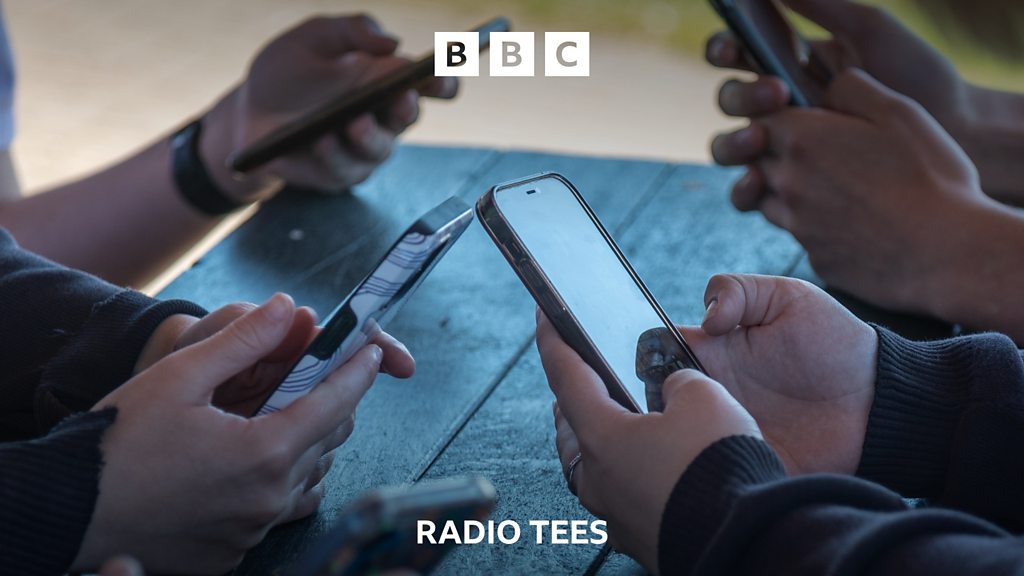
The second focus of Wood’s discussions touched on the controversial proposal to restrict teenagers’ access to social media platforms – a debate that has intensified across the UK in recent months. Government officials and child safety advocates have pointed to research suggesting links between excessive social media use and declining mental health indicators among teens, while tech companies and digital rights groups have pushed back against potential restrictions.
Education experts note that schools like High Tunstall College of Science increasingly find themselves on the frontlines of these issues, balancing the educational benefits of digital connectivity with concerns about online harms and information quality.
“These conversations are vital,” said a spokesperson for the education sector who specializes in digital literacy. “Young people need both the technical and critical thinking skills to navigate today’s information environment safely and effectively.”
The Hartlepool visit highlights a growing recognition that media literacy has become an essential component of modern education. Schools across the UK are implementing various approaches to help students critically evaluate news sources, understand digital citizenship, and develop healthy relationships with technology.
Wood’s engagement with the Hartlepool students reflects the BBC’s ongoing commitment to educational outreach and its efforts to understand how younger audiences consume news. This approach acknowledges that the future of public service broadcasting depends partly on understanding the evolving media habits of the next generation.
The timing of this initiative is particularly relevant as lawmakers consider new regulations for social media platforms, including age verification requirements and usage limits for younger users. These potential changes have sparked intense debate about the balance between protecting young people and respecting their autonomy and privacy.
Student feedback from the Hartlepool visit may provide valuable insights for both educators and media organizations seeking to better serve younger audiences with accurate, engaging, and accessible information about complex global issues.
The discussions at High Tunstall College of Science form part of a broader national conversation about how best to prepare young people to be informed citizens in an increasingly complex media landscape, where international news, particularly from regions like Iran, can be subject to multiple interpretations and presented through various ideological lenses.
As the debate continues about the role of social media in teenagers’ lives, initiatives like Wood’s visit demonstrate the importance of including young people’s perspectives in conversations that will ultimately shape their digital futures.
Fact Checker
Verify the accuracy of this article using The Disinformation Commission analysis and real-time sources.

10 Comments
The school’s focus on how international news, particularly about Iran, reaches younger audiences is a really insightful angle. Understanding the information pathways and potential biases is crucial for developing well-rounded perspectives.
This is a great initiative by the Hartlepool school to help students critically evaluate the news they consume. Developing media literacy skills is so important for young people today, especially given the prevalence of disinformation online.
Concerns about misinformation and social media’s impact on mental health are valid and deserve serious attention. It’s great to see the Hartlepool school taking proactive steps to address these issues head-on with their students.
The impact of social media on adolescent mental health is a growing concern. It’s great to see the school addressing this issue as part of their media literacy efforts. Helping students understand the risks and develop healthier online habits is so important.
This is an important step in addressing the worrying rise of misinformation, especially among young people. Kudos to the Hartlepool school for taking a proactive approach to equipping students with the tools to navigate the digital information landscape.
Engaging directly with students on real-world news topics like the situation in Iran is a smart way to make media literacy lessons relevant and impactful. I hope other schools follow this example.
Agreed. Connecting the lessons to current events helps students understand the practical importance of these skills in their daily lives.
Engaging students on complex geopolitical issues like the situation in Iran is a smart approach. Helping them understand how these stories are reported and the potential biases involved is a valuable lesson.
Absolutely. Fostering critical thinking skills around international news coverage is a crucial part of preparing the next generation to be informed, discerning citizens.
I’m curious to learn more about the specific strategies the school is using to combat disinformation. Are they focusing on source evaluation, fact-checking techniques, or identifying political/ideological agendas in reporting?