


Listen to the article
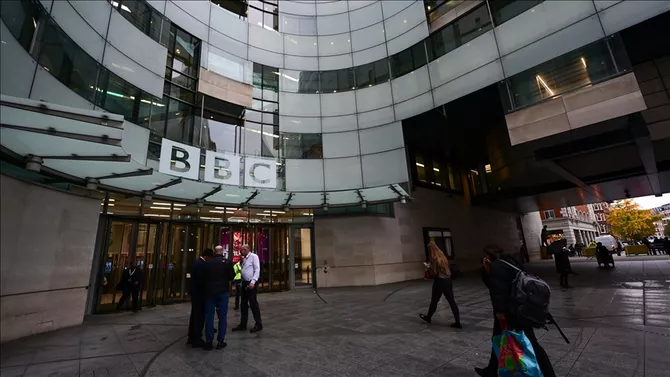
Georgia is preparing to file a formal complaint against the BBC, accusing the British public broadcaster of spreading false information about police tactics during anti-government protests that occurred last year.
Prime Minister Irakli Kobakhidze announced that the government will first appeal to the United Kingdom’s media regulator, with plans to pursue legal action if necessary. The dispute centers on BBC reporting about crowd-control methods used by Georgian authorities during civil unrest.
Speaking at a meeting with university students, Kobakhidze responded to comments from the British ambassador who had criticized Georgia for alleged anti-democratic pressure on opposition groups and civil society. The Prime Minister countered by suggesting the UK should issue an apology for what he characterized as false reporting by its public broadcaster.
“The BBC report created an artificial scandal and was based on fake material,” Kobakhidze told students. He defended police actions during the protests, stating that an official investigation had confirmed that all substances used in water cannons were properly documented by Georgia’s State Security Service.
Interior Minister Aleksandre Darakhvelidze elaborated on Monday that the State Security Service investigation determined the substance used in water cannons during last year’s riots was standard tear gas, not a World War I era chemical weapon called “Camit” as alleged in a BBC report published on December 1. The BBC’s reporting had partly relied on symptoms reported by protesters exposed to the water and statements from former security officials.
When questioned specifically about allegations that trichloroethylene—a carcinogenic solvent—had been added to the water cannons, Kobakhidze dismissed the claim, arguing that such a dangerous substance would have resulted in far more hospitalizations. He noted that only five people were treated for mild intoxication and subsequently released from medical care.
“We will use every legal avenue against the BBC so that the broadcaster will have to apologize,” Kobakhidze stated. He also dismissed various claims circulating on social media, including a story about a parrot allegedly affected by chemicals during the protests.
The diplomatic tension has escalated further with Parliament Speaker Shalva Papuashvili accusing the British ambassador of actively spreading misinformation and participating in a political campaign against Georgia’s government, according to local news outlet Rezonansi. Papuashvili suggested that the Georgian public was questioning who was behind the BBC report—whether it represented the work of an individual journalist or what he described as a “hybrid operation” potentially involving British state actors.
The dispute highlights growing strains in Georgia-UK relations at a sensitive time for the South Caucasus nation. Georgia has faced increasing international scrutiny over its democratic credentials, particularly after the ruling Georgian Dream party pushed through controversial legislation earlier this year requiring organizations receiving foreign funding to register as “foreign agents”—a move that sparked widespread protests and drew criticism from Western allies.
Critics of the Georgian government have expressed concern that authorities are using allegations of foreign interference and media bias to deflect legitimate scrutiny of their actions. Meanwhile, supporters of the administration argue that Western media outlets sometimes present unbalanced coverage of political developments in the country.
The case could potentially set a precedent for how disputes between foreign governments and international media organizations are resolved, especially in an era of heightened concern about disinformation and media accountability. As Georgia pursues its complaint through regulatory channels and possibly courts, the outcome may influence both diplomatic relations and press freedom discussions in the region.
Fact Checker
Verify the accuracy of this article using The Disinformation Commission analysis and real-time sources.

16 Comments
This sounds like a complex situation with competing narratives. While the Georgian government has a right to defend its actions, suppressing media reporting raises worrying questions about transparency and press freedom. I hope an impartial review can determine the truth and prevent further escalation.
You make a fair point. Maintaining a free and independent press is crucial, even when governments feel unfairly portrayed. A balanced, fact-based approach is needed to address concerns on both sides.
The use of water cannons and crowd control tactics by authorities during protests is always a sensitive issue. I’m glad to hear an official investigation found the substances used were properly documented, but the BBC’s reporting should still be scrutinized objectively to assess its accuracy.
That’s a reasonable perspective. Ensuring public safety during protests is important, but allegations of disinformation require a thorough, impartial review to uphold press freedom and public trust.
It’s troubling to see tensions escalate between the Georgian government and the BBC over these allegations of disinformation. Both sides have a responsibility to engage in good faith and provide transparent, factual information to the public. I hope an impartial review can bring clarity to this situation.
Well said. Maintaining open and honest dialogue, even in the face of disagreement, is crucial for upholding democratic principles and preserving public trust in institutions.
This dispute highlights the challenge of balancing national security concerns with press freedom. While the Georgian government has a right to defend its actions, resorting to legal action against the BBC is a concerning precedent. I hope cooler heads can prevail and find a diplomatic solution.
I agree, a measured response that respects journalistic integrity would be the best path forward. Inflammatory rhetoric and legal threats are unlikely to resolve the underlying issues constructively.
The accusations of disinformation from the Georgian government raise valid questions, but the threat of legal action against the BBC is worrying. A free and independent press is essential for a healthy democracy, and any disputes should be resolved through transparent, fact-based processes, not heavy-handed tactics.
I agree completely. Maintaining a robust, fact-based media environment is crucial, even when governments feel unfairly portrayed. An open, impartial review would be a more constructive path forward.
This situation highlights the delicate balance between national security concerns and press freedom. While the Georgian government has a right to defend its actions, resorting to legal threats against the BBC is a concerning move that could set a dangerous precedent. I hope both sides can find a diplomatic solution that upholds democratic principles.
Well said. Maintaining a free and independent press, even in the face of disagreement, is essential for a healthy democracy. A measured, evidence-based approach would serve the public interest far better than escalating legal disputes.
This is a complex issue that touches on important questions of press freedom, national security, and accountability. While the Georgian government has a legitimate interest in addressing misinformation, taking legal action against a major media outlet is a concerning step. I hope a constructive resolution can be found.
I share your concerns. Resorting to legal threats against the media sets a dangerous precedent, even if the government believes the reporting is inaccurate. An open, evidence-based dialogue would be a much healthier approach.
It’s concerning to hear about allegations of disinformation from the Georgian government. The BBC is generally a reliable source, so I’m curious to understand more about the specific claims and evidence on both sides. A transparent investigation would help shed light on what really happened during those protests.
I agree, it’s important to get all the facts before rushing to conclusions. Hopefully this can be resolved through constructive dialogue between the parties.