


Listen to the article
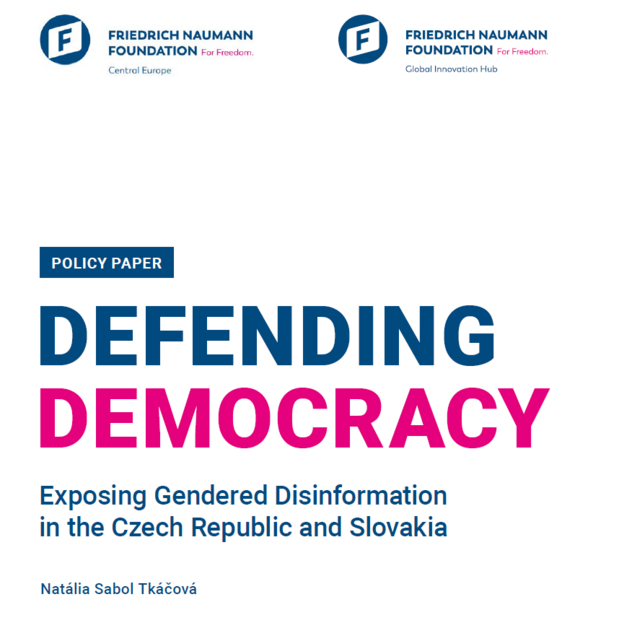
Gendered Disinformation Emerges as Growing Threat to Women Politicians in Central Europe
Women politicians across Europe face an escalating challenge that transcends traditional political opposition: gendered disinformation campaigns that weaponize their identity to undermine their authority. New research focused on Czechia and Slovakia reveals how these targeted attacks combine falsehoods with gender stereotypes to delegitimize women in public office and discourage their participation in democratic processes.
The study, conducted using a triangulated methodology that combined social media monitoring, politician surveys, and in-depth interviews, paints a troubling picture of political environments where women’s credibility is systematically attacked through gendered narratives.
In Czechia, where women’s political representation remains disproportionately low, disinformation campaigns primarily portray female politicians as intellectually unfit for office. These attacks frequently employ belittling nicknames, manipulated images, and persistent questioning of competence – tactics rarely applied with equal vigor to their male counterparts.
The situation in neighboring Slovakia reveals a different but equally damaging pattern. There, women politicians more commonly face accusations of moral corruption, with narratives casting them as traitors to national interests or agents of foreign powers. These characterizations play into traditional stereotypes that question women’s loyalty and suggest they cannot be trusted with authority.
Perhaps most concerning is the finding that these gendered attacks aren’t confined to fringe extremist groups or anonymous trolls. The research documented mainstream political figures, including high-ranking government officials, amplifying these narratives. This mainstreaming of gendered disinformation normalizes such attacks and integrates them into ordinary political discourse.
“What we’re seeing isn’t just about policy disagreements anymore,” explains a researcher involved with the study. “When disinformation targets a woman’s gender identity rather than her political positions, it fundamentally undermines democratic competition by changing the rules for who gets to participate and on what terms.”
Both countries provide fertile ground for such campaigns due to existing political polarization around issues like corruption, NATO membership, EU relations, and the war in Ukraine. Within these already contentious debates, women politicians find themselves facing not only criticism of their policy positions but also attacks on their appearance, family roles, and personal morality.
Despite these challenges, the research also highlights remarkable resilience among women politicians. Many continue their public service despite persistent abuse, developing personal coping strategies and relying on solidarity networks for support. However, researchers emphasize that individual resilience cannot replace systemic responses from institutions, political parties, and social media platforms.
The study comes at a critical time for Central European democracies, which continue to struggle with political polarization, rising disinformation, and challenges to democratic norms. The findings suggest that gendered disinformation represents not just discrimination against individual women but a broader threat to democratic participation and representation.
“When we allow gender to become a weapon for silencing political voices, we’re effectively narrowing the democratic playing field,” notes a spokesperson from the Friedrich Naumann Foundation for Freedom, which supported the research. “This isn’t just a women’s issue – it’s fundamentally about whether our democracies can maintain the pluralism and equal participation that define them.”
The report concludes with policy recommendations for strengthening democratic resilience against gendered disinformation, emphasizing that protecting women’s voices in politics is essential not only for gender equality but for safeguarding the fundamental principles of liberal democracy in the region.
As polarization intensifies and disinformation tactics evolve across Europe, the findings from Czechia and Slovakia provide valuable insights into how gender-based attacks operate – and what democracies must do to counter this growing threat to inclusive political participation.
Fact Checker
Verify the accuracy of this article using The Disinformation Commission analysis and real-time sources.

10 Comments
This is a concerning trend that undermines democratic participation. Gendered disinformation campaigns seem to be a growing tactic to marginalize women in politics. It’s critical that we address this issue and ensure a level playing field for all candidates, regardless of gender.
It’s disheartening to see this kind of gendered disinformation on the rise in Central Europe. Undermining women’s credibility in this way undermines the integrity of the political system. This is an issue that demands urgent attention and solutions.
Attacks on women politicians’ competence and credibility through gendered narratives are unacceptable. This kind of targeted harassment can have a chilling effect on women’s willingness to engage in the political process. We need to find ways to counter these disinformation campaigns.
I agree. Robust fact-checking and media literacy efforts will be crucial to exposing and debunking these false narratives. Elected officials and civil society must also condemn these tactics and uphold democratic norms.
Gendered disinformation poses a significant threat to women’s political participation. Undermining their credibility through stereotypes and falsehoods is a tactic to silence their voices. Urgent action is needed to address this problem.
This research sheds light on a disturbing trend that undermines progress towards gender equality in politics. Targeted attacks on women’s competence and credibility are unacceptable and must be confronted head-on.
The findings on gendered disinformation campaigns in Czechia and Slovakia are alarming. We need robust solutions to protect the integrity of the political process and ensure equal opportunity for all candidates, regardless of gender.
The gender gap in political representation is already a concern, and these disinformation campaigns risk further entrenching that imbalance. We need to find ways to protect women candidates and encourage their participation in the democratic process.
Absolutely. Strengthening protections for women in politics and holding purveyors of gendered disinformation accountable should be priorities. The integrity of our democratic institutions depends on ensuring a fair and inclusive political landscape.
Gendered disinformation is a pernicious form of digital harassment that must be addressed. Eroding public trust in women leaders through these tactics is deeply troubling. Concerted efforts are needed to combat this threat to democratic representation.