


Listen to the article
French Navy Condemns Pakistani Media Outlet for Spreading Misinformation About India-Pakistan Conflict
The French Navy has issued a strong rebuke against a Pakistan-based media outlet for circulating what it calls “misinformation and disinformation” regarding India’s Operation Sindoor and recent strikes on Pakistan-backed terror sites. The operation followed a terrorist attack in Pahalgam, Jammu and Kashmir, which resulted in the deaths of 26 civilians.
Marine Nationale, the naval branch of the French Armed Forces, took to social media platform X to categorically deny claims made by Pakistani channel Geo TV. The outlet had falsely suggested that France endorsed Pakistan’s Air Force performance during recent border confrontations with India.
“[#FAKENEWS] These statements were attributed to Captain Launay who never gave his consent for any form of publication. The article contains extensive misinformation and disinformation,” the French Navy stated in its official communication.
The controversy stems from a November 21 article published by Geo TV, in which correspondent Hamid Mir attributed explosive claims to a French naval commander. The report alleged that a French officer had “confirmed” Pakistan’s air superiority over India and claimed that several Indian Rafale fighter jets had been shot down during recent border skirmishes.
According to the French Navy, these claims were entirely fabricated. Not only did the Pakistani outlet misquote French personnel, but it also incorrectly identified the officer in question, referring to him as “Jacques Launay” instead of his actual name, Captain Yvan Launay.
The fabricated report went further, making sensational claims that the French commander had praised Pakistan’s Air Force during a May 6-7 confrontation that allegedly involved over 140 fighter jets. The report even suggested that Indian Rafales had been shot down with Chinese support—assertions the French Navy firmly rejected as false.
In its clarification, the Marine Nationale explained that Captain Launay’s actual role is commanding the naval air station at Landivisiau, where Rafale Marine aircraft are based. His professional responsibilities are entirely separate from any assessment of India-Pakistan military engagements. The Navy emphasized that Launay’s conference presentation was strictly technical, focusing on Rafale Marine missions and high-intensity air combat challenges.
The Pakistani outlet had also fabricated quotes from Captain Launay regarding the performance of Rafale jets, falsely claiming he said: “There was nothing wrong with the war machine, but the machine was not used properly,” and that “Rafale can compete and defeat the Chinese J-10C in any combat situation.” The French Navy confirmed that no such statements were ever made.
This incident highlights ongoing information warfare in the region, where media outlets aligned with certain national interests occasionally publish misleading content to shape public opinion. The French Navy’s swift response underscores the seriousness with which Western military establishments view such misrepresentations of their personnel and equipment.
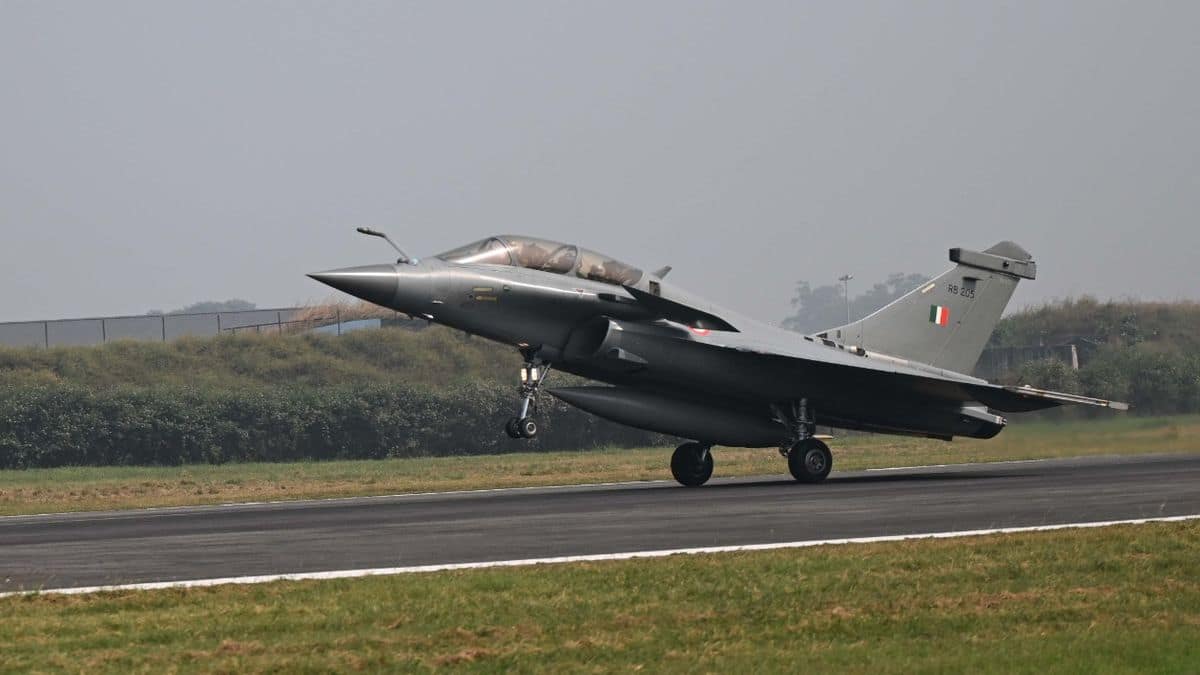
France has been a significant defense partner for India, with the Rafale fighter jets representing one of the cornerstone acquisitions in India’s military modernization program. The aircraft, manufactured by Dassault Aviation, have become a symbol of strengthened Indo-French defense cooperation in recent years.
The false claims about Rafale performance carry particular significance given that India finalized a deal for 36 Rafale jets worth approximately €7.8 billion in 2016, with all aircraft now delivered and in service with the Indian Air Force.
As tensions between India and Pakistan continue to simmer following recent cross-border operations, accurate reporting remains crucial for diplomatic stability in the region. The French Navy’s intervention serves as a reminder of the importance of fact-checking and responsible journalism in matters of international security and military operations.
Fact Checker
Verify the accuracy of this article using The Disinformation Commission analysis and real-time sources.

29 Comments
Production mix shifting toward Disinformation might help margins if metals stay firm.
Good point. Watching costs and grades closely.
Silver leverage is strong here; beta cuts both ways though.
Good point. Watching costs and grades closely.
Good point. Watching costs and grades closely.
The cost guidance is better than expected. If they deliver, the stock could rerate.
Good point. Watching costs and grades closely.
Good point. Watching costs and grades closely.
Silver leverage is strong here; beta cuts both ways though.
Good point. Watching costs and grades closely.
Good point. Watching costs and grades closely.
Nice to see insider buying—usually a good signal in this space.
Good point. Watching costs and grades closely.
Good point. Watching costs and grades closely.
The cost guidance is better than expected. If they deliver, the stock could rerate.
Good point. Watching costs and grades closely.
Silver leverage is strong here; beta cuts both ways though.
Good point. Watching costs and grades closely.
Production mix shifting toward Disinformation might help margins if metals stay firm.
Nice to see insider buying—usually a good signal in this space.
Silver leverage is strong here; beta cuts both ways though.
Interesting update on French Navy Refutes Pakistani Media’s Misinformation About Rafale Claims. Curious how the grades will trend next quarter.
Good point. Watching costs and grades closely.
Good point. Watching costs and grades closely.
Nice to see insider buying—usually a good signal in this space.
Good point. Watching costs and grades closely.
Production mix shifting toward Disinformation might help margins if metals stay firm.
I like the balance sheet here—less leverage than peers.
Good point. Watching costs and grades closely.