


Listen to the article
French Navy Debunks Pakistani Misinformation About Rafale Aircraft
Pakistan’s ongoing attempts to spread misinformation about India’s military capabilities have faced a significant setback after the French Navy publicly refuted claims made by prominent Pakistani journalist Hamid Mir. In an unusual move highlighting the seriousness of the situation, French military officials issued a direct statement rejecting a Geo TV report that falsely attributed statements about Pakistan’s “air superiority” to a French naval officer.
The French Navy’s statement on social media platform X was unequivocal: “These statements were attributed to Captain Launay who never gave his consent for any form of publication. The article contains extensive misinformation and disinformation.” The statement specifically targeted Mir’s article titled “French commander confirms Pakistan air superiority in May 2025 combat with India.”
This represents a significant diplomatic embarrassment for Pakistan, whose media has consistently pushed narratives claiming successful engagements against India’s Rafale fighter jets during the brief conflict in May 2025 known as Operation Sindoor.
BJP leader Amit Malviya was quick to respond to the French statement, highlighting what he called Pakistan’s “desperate misinformation machinery.” On social media, Malviya wrote: “When official institutions start debunking their propaganda, you know how desperate Pakistan’s misinformation machinery has become.” He also alluded to connections between Mir and certain sections of Indian media, suggesting coordinated efforts to promote anti-India narratives.
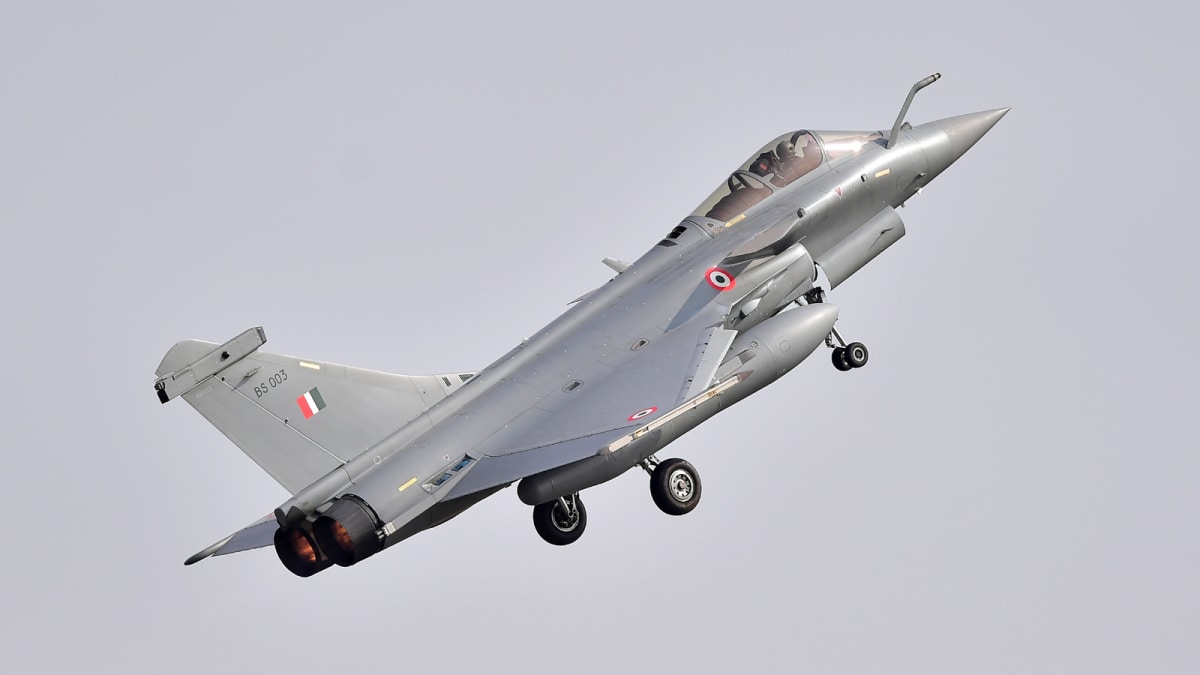
The French-manufactured Rafale fighter jets have been at the center of multiple Pakistani misinformation campaigns since India acquired these advanced aircraft to bolster its air force capabilities. The sophisticated multi-role fighters represent a significant enhancement to India’s aerial combat potential and have apparently become a focal point of Pakistan’s information warfare strategy.
Operation Sindoor, launched by India in May 2025 following the Pahalgam massacre, saw Rafale jets playing a critical role in precision strikes against terrorist infrastructure across Pakistan and Pakistan-occupied Kashmir. Following these operations, Pakistani media began circulating claims about shooting down multiple Rafale aircraft using Chinese-made air defense systems.
However, these assertions have been consistently contradicted by independent military observers and Western intelligence assessments. Dassault Aviation CEO Eric Trappier had previously clarified that no Rafale was shot down by Pakistani forces during the conflict. India did lose one Rafale during operations, but military officials attributed this to technical malfunction rather than enemy engagement.
This pattern of manufacturing false narratives extends beyond the recent Geo TV report. Hamid Mir, whose X account had previously been blocked by the Indian government for spreading misleading content, has been a prominent voice pushing these narratives through Pakistani media channels.
The French Navy’s unusual decision to publicly contradict these claims underscores growing international frustration with Pakistan’s information operations. Defense analysts note that such direct refutations from foreign military establishments are rare and typically reserved for cases of egregious misrepresentation.
For India, the French statement represents a validation of its position regarding both the capabilities of its Rafale fleet and the nature of Pakistan’s information warfare tactics. Military experts suggest that Pakistan’s focus on fabricating victories against India’s premium fighter jets reveals underlying insecurities about the growing capability gap between the two countries’ air forces.
The incident highlights the increasingly complex nature of modern conflicts, where information warfare complements conventional military operations. As regional tensions persist in South Asia, the battle for narrative control remains as significant as actual military engagements, with international stakeholders increasingly willing to intervene when false claims jeopardize their credibility.
Fact Checker
Verify the accuracy of this article using The Disinformation Commission analysis and real-time sources.

7 Comments
I’m curious to know more about the background and context of this story. What was the motivation behind the Pakistani journalist’s claims, and how significant are they in the broader India-Pakistan tensions?
It’s concerning to see attempts at spreading disinformation about military capabilities, especially in a sensitive region like South Asia. Fact-checking and transparency are essential for preventing escalation of tensions.
The French Navy’s swift response and clear denial of the misinformation is a strong signal that they take these issues seriously. Maintaining accurate information is crucial for international relations and stability.
Interesting to see the French Navy come out and directly refute the Pakistani journalist’s claims. Spreading misinformation about military capabilities is never a good look and can have serious diplomatic consequences.
This highlights the need for responsible journalism and fact-checking, especially when it comes to sensitive military and defense-related issues. Spreading uncorroborated claims can have serious consequences.
It’s good to see the French military taking a strong stance against disinformation. Accurate information on defense capabilities is important, especially in sensitive geopolitical situations.
Absolutely. Fact-checking and debunking false claims is crucial to maintaining trust and transparency between nations.