


Listen to the article
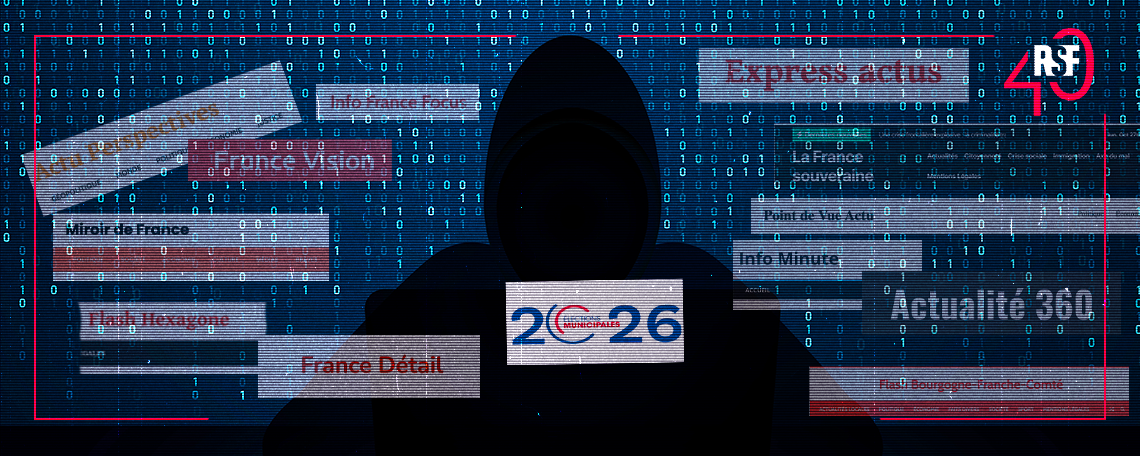
In a striking escalation of digital disinformation tactics, an extensive network of fraudulent news websites mimicking legitimate French media outlets has been exposed for spreading pro-Russian narratives and anti-Western propaganda. Reporters Without Borders (RSF) has identified 85 active sites that have collectively published at least 13,500 articles since February 2025.
These counterfeit news portals consistently push several recurring narratives: criticism of the French president, dire warnings about the “fall” of the West, and content that glorifies Vladimir Putin’s political acumen. One particularly egregious example comes from a site called La France Souveraine (“Sovereign France”), which published an article titled “Trump and Peace: A Sovereign Revolution Shaking the World Order.” The site went so far as to reproduce the front page of the respected French weekly Le 1 Hebdo using a screenshot, beneath which it placed entirely different content.
The sophistication of these operations extends to exploiting legitimate local concerns by manipulating actual events. For instance, the fraudulent site Sud-Ouest Direct—a deliberate distortion of the name of the reputable Bordeaux-based daily Sud Ouest—published a story on October 14th about a court ruling. While the ruling itself was initially reported by the credible newspaper Le Progrès, Sud-Ouest Direct illustrated it with an image taken from LyonMag.com relating to an entirely different case, creating a misleading narrative.
In another case, a site called Actu Directe, established in February 2025, repurposed a photo and content from two separate articles published by the regional newspaper L’Est Républicain. The original reporting covered a cyberattack on a hospital in Pontarlier, but Actu Directe reframed it as a “digital illness,” fundamentally altering the context and implications of the event.
The scope and coordination behind these efforts point to a sophisticated disinformation campaign. In September 2025, American cybersecurity firm Recorded Future published a report identifying 141 fake news websites—including the 85 active sites documented by RSF—and attributed them to a Russia-based influence network called CopyCop, which specializes in creating counterfeit news outlets.
Multiple subsequent journalistic investigations have corroborated the Russian connection. What’s particularly concerning is that rather than curtailing its activities after being exposed, the network has intensified its operations. RSF has documented 5,138 articles published since October 18th alone—representing nearly 37 percent of all the articles identified in their investigation.
Experts at Recorded Future suspect the network is leveraging open-source generative AI tools to produce content at this unprecedented scale. This technological edge could explain how the operation maintains such high output despite public exposure.
The situation highlights the evolving nature of information warfare, where impersonation of legitimate media sources serves as a powerful vehicle for spreading disinformation. By mimicking the graphic design and editorial style of trusted French news outlets, these sites create a veneer of credibility that makes their propaganda more effective and harder for casual readers to identify.
The persistence and expansion of these operations, even after being publicly identified, raises serious concerns about the resilience of democratic discourse in France and across Europe. As digital impersonation techniques become more sophisticated, the challenge of distinguishing reliable information from coordinated disinformation campaigns grows increasingly complex for both media consumers and democratic institutions.
Fact Checker
Verify the accuracy of this article using The Disinformation Commission analysis and real-time sources.

13 Comments
The proliferation of these fraudulent news sites pushing specific political narratives is deeply troubling. Exploiting local concerns and mimicking legitimate media outlets is a concerning tactic. Robust fact-checking and digital literacy efforts are crucial to counter this threat.
The use of fraudulent news sites to push pro-Russian and anti-Western narratives is deeply troubling. Disinformation campaigns like this undermine democratic processes and public trust. Robust fact-checking and digital media literacy are crucial.
It’s alarming to see the scale and sophistication of these coordinated disinformation campaigns in France. Manipulating local issues and impersonating respected media is a deceptive strategy. We must remain vigilant and call out these attempts to undermine public trust.
It’s deeply concerning to see the scale of these coordinated disinformation campaigns in France. Manipulating local concerns and impersonating legitimate media is a deceptive and dangerous strategy. We must be vigilant and call out these attempts to undermine democracy.
The sophistication of these fake news networks is alarming. Exploiting legitimate local issues and mimicking respected media outlets to spread disinformation is a concerning tactic. Robust fact-checking and digital literacy efforts are crucial to counter this threat.
The proliferation of these fraudulent news sites pushing pro-Russian and anti-Western narratives is deeply troubling. We must remain vigilant and call out these deceptive tactics that undermine public trust and the integrity of the information landscape.
This is a stark reminder of the importance of critical thinking and media literacy. The ability of these fake news operations to manipulate local concerns and hijack reputable brands is worrying. We must strengthen our defenses against coordinated disinformation campaigns.
This is a stark reminder of the need for enhanced media literacy and fact-checking. The ability of these fake news networks to exploit local concerns and hijack reputable brands is worrying. We must strengthen our defenses against such coordinated campaigns of manipulation.
It’s alarming to see the scale of these fake news networks operating in France. Exploiting local issues and mimicking legitimate media is a concerning tactic. Robust fact-checking and media literacy efforts are essential to combat this threat to democracy.
This is a prime example of how disinformation can be weaponized to erode public discourse and sow division. The sophistication of these operations is alarming. We must strengthen our defenses against such coordinated campaigns of manipulation and falsehoods.
Manipulating local concerns and hijacking the branding of respected media outlets is a deceptive and dangerous tactic. These fake news sites are clearly coordinated to spread specific political narratives. Vigilance and media skepticism are needed to counter this threat.
This is a prime example of how disinformation can be weaponized to erode public discourse and sow division. The ability of these fake news operations to exploit local issues and hijack reputable media brands is worrying. Strengthening media literacy is essential.
Interesting to see the extent of these fake news operations in France. It’s concerning how they’re exploiting local issues and mimicking legitimate media to spread disinformation. We need better media literacy and fact-checking to combat these tactics.