


Listen to the article
Georgia’s Security Agency Warns of Overthrow Attempts Amid Leadership Changes
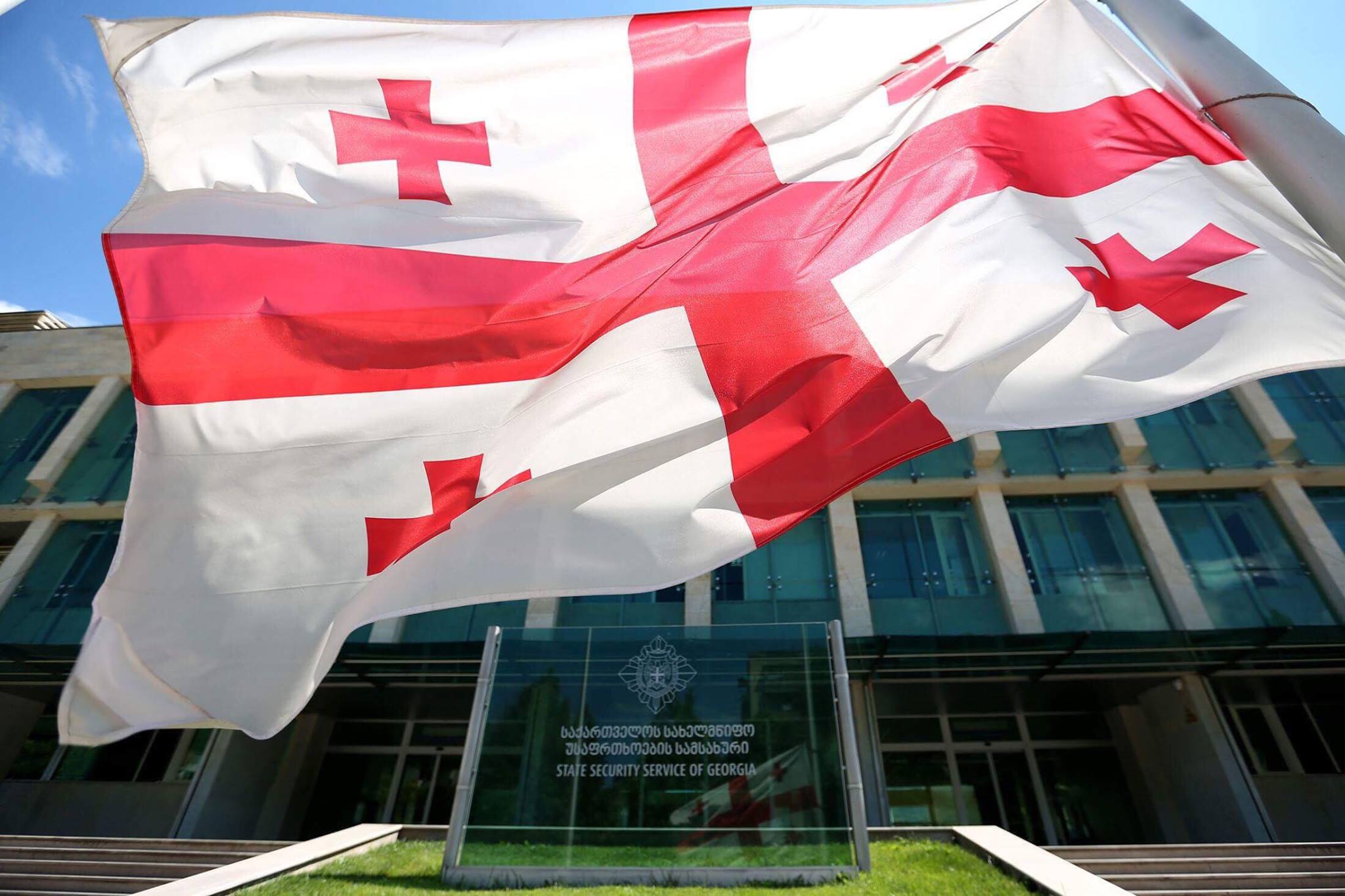
Georgia’s State Security Service (SSSG) released its 2025 annual report this week, highlighting what it described as attempts to overthrow the government “by violent means” and alleged foreign interference campaigns targeting the South Caucasus nation.
The report’s release on April 21 coincided with significant leadership changes announced by the ruling Georgian Dream party, marking the latest shakeup in the country’s security apparatus. The agency itself experienced considerable turnover during the reporting period, with three different leaders at its helm throughout 2025.
Grigol Liluashvili, who led the agency from 2019 until April 2025, is currently imprisoned on bribery charges. Anri Okhanashvili served briefly from April to August, followed by Mamuka Mdinaradze, who is now set to leave his position to become “State Minister for Coordination of Law Enforcement Bodies” – a newly created government position. Current Interior Minister Geka Geladze will take over as the new security chief.
Against the backdrop of what it termed “the process of changing the world order,” the SSSG report painted a picture of Georgia facing heightened threats both internally and externally. The agency described a geopolitical environment where major powers increasingly limit smaller states’ sovereignty, particularly those considered within their “sphere of influence.”
Russian occupation of the breakaway regions of Abkhazia and the Tskhinvali Region (South Ossetia) continued to represent “the greatest threat” to Georgia’s national security, according to the report. The SSSG detailed ongoing annexation efforts, illegal detentions, and “borderization” – Russia’s process of establishing physical barriers along the administrative boundary lines.
The report highlighted Moscow’s multifaceted approach to controlling the occupied territories, including military exercises involving unmanned aerial vehicles, the opening of a UAV training center in Tskhinvali, and financial support comprising approximately 80% of Tskhinvali’s budget and 38% of Abkhazia’s.
Russian influence operations extended to educational initiatives promoting study in Russia and simplified Russian passport procedures, which the agency characterized as part of a broader “Russification” strategy. The reopening of Sokhumi airport, subsidized flights, and deepened ties between the occupied regions and Russian federal entities further cemented this relationship.
Human rights concerns featured prominently, with the report noting 74 illegal detentions across both regions during 2025. By year’s end, 15 Georgian citizens remained in detention, including long-term detainees Kristine Takalandze and Kakha Muradov. The report also highlighted unresolved killings from previous years, indicating a pattern of impunity in the occupied territories.
In a significant revelation, the SSSG claimed to have thwarted what it characterized as an attempt to “change the government through violent means” on October 4, 2025 – Georgia’s election day. The report referenced an incident where protesters attempted to occupy the presidential palace in central Tbilisi before being dispersed by police. Dozens of participants and organizers were subsequently arrested.
“A certain group of individuals operating within Georgia and abroad planned to provoke civil unrest and destabilization in the country,” the report stated, adding that alongside the attempted palace seizure, “plans were in place to carry out acts of sabotage.”
The security agency devoted considerable attention to alleged disinformation and propaganda campaigns targeting Georgia. In language reflecting the government’s increasingly strained relations with Western partners, the report claimed that “disinformation and double-standard information campaigns originating from Western countries and institutions” had fostered “nihilism toward Western institutions among parts of society.”
In a remarkable assertion, the report specifically referenced a BBC investigation into the alleged use of a chemical compound called “camite” during protest dispersals in late 2024. The SSSG characterized this reporting as “part of the disinformation campaign” against Georgia, claiming that its “timely response” prevented “negative outcomes.”
Without providing evidence, the agency alleged that certain journalists and experts were producing “tendentious and propagandistic” materials “on the order of foreign powers” and “in exchange for material compensation.”
On counterterrorism efforts, the report noted that approximately 15 Georgian citizens and their family members remained in prisons and detention camps in Syria in 2025, while highlighting that no terrorist attacks occurred in Georgia during the reporting period.
The SSSG’s anti-corruption agency launched 54 investigations during 2025, with 104 individuals charged with offenses ranging from bribery to money laundering. The report also noted an increase in whistleblower reports to 156 cases, which the agency interpreted as reflecting “growing public awareness.”
The comprehensive report comes at a time of heightened political tensions in Georgia, as the country navigates complex relationships with both Russia and Western institutions amid ongoing concerns about democratic backsliding and the ruling party’s increasingly authoritarian tendencies.
Fact Checker
Verify the accuracy of this article using The Disinformation Commission analysis and real-time sources.

14 Comments
The alleged coup attempts and foreign interference cited in this report are deeply troubling. Georgia must take decisive action to protect its democratic institutions and national sovereignty, while also maintaining open and transparent investigations to ensure justice is served.
This report underscores the complex geopolitical dynamics at play in the South Caucasus region. Georgia’s efforts to strengthen its democratic institutions and address security threats will require a delicate balancing act, both internally and in its relations with external actors.
Agreed. Georgia’s ability to navigate these challenges will have implications not just for the country, but for the broader regional stability as well.
The details in this report are deeply concerning and highlight the complex geopolitical realities facing Georgia. The alleged coup attempts and foreign interference campaigns underscore the need for vigilance and a commitment to democratic principles. Transparent and impartial investigations will be crucial in restoring public trust.
This report highlights the complex geopolitical challenges facing Georgia. The shifts in the country’s security apparatus reflect the delicate balance between preserving stability and responding to emerging threats. It will be important to closely monitor the situation and ensure any investigations are thorough and impartial.
Well said. Georgia’s strategic location in the South Caucasus makes it a focal point for competing regional interests. Maintaining national sovereignty and democratic institutions in the face of external pressures will be critical.
This report underscores the fragility of Georgia’s security environment and the need for robust, impartial institutions to safeguard the country’s stability. The leadership changes in the security apparatus are concerning and raise questions about the government’s ability to effectively respond to emerging threats.
Agreed. Georgia’s strategic location and its efforts to strengthen ties with the West make it a target for external interference. Maintaining national unity and a clear-eyed approach to these challenges will be crucial.
Interesting report on alleged attempts to destabilize the Georgian government. It’s concerning to see claims of foreign interference and disinformation campaigns targeting the country. Transparency and accountability will be crucial in addressing these threats to national security.
Agreed. The high turnover in the security agency’s leadership is also concerning and raises questions about the stability of the institutions meant to protect the country.
This report highlights the vulnerabilities that small, strategically important countries like Georgia face in the face of external pressures and disinformation campaigns. Strengthening democratic institutions, improving transparency, and fostering regional cooperation will be key to addressing these challenges.
Well said. Georgia’s ability to navigate these complex geopolitical waters will have implications far beyond its borders.
The alleged coup attempts and foreign interference raise serious concerns about the security environment in Georgia. While the details in the report deserve scrutiny, the country’s leadership must take decisive action to safeguard its institutions and protect its citizens.
The leadership changes in Georgia’s security apparatus are concerning and raise questions about the overall stability of the country’s institutions. While the alleged coup attempts and foreign interference need to be thoroughly investigated, it’s crucial that the process remains transparent and impartial.